Cyclists planning a post-ride snack
If a meal is some way off after a longer ride, a bar is a portable way to have food ready. British Cycling identifies protein as a priority after rides lasting more than 90 minutes.


A high-protein snack bar makes more sense as a portable post-ride or between-meal snack than as your default fuel during a long ride. British Cycling identifies protein as a priority after rides longer than 90 minutes; for food eaten during a ride, Cycling UK advises planning around the distance and when you will need to refuel. Compare the full bar’s nutrition and allergen information before choosing.
If a meal is some way off after a longer ride, a bar is a portable way to have food ready. British Cycling identifies protein as a priority after rides lasting more than 90 minutes.
Food carried for the ride and food eaten afterwards serve different moments. Cycling UK advises considering ride distance, preparation, fuelling while riding and refuelling when finished.
The ingredients list and precautionary statements may determine whether a particular bar is suitable. GOV.UK says regulated allergens present as ingredients in prepacked food must be clearly identified in the ingredients list.
Decide when you intend to eat the bar, then compare the nutrition for a whole bar and check the current pack for ingredients.
| Priority | What to check | Your needs |
|---|---|---|
| When you will eat it | Decide whether the bar is for during the ride or afterwards. For longer rides, plan what to eat and drink across the ride rather than relying on a protein claim. | I want food for the ride itself, not just a snack for when I finish. Cycling UK distinguishes fuelling while riding from refuelling afterwards. |
| Protein per bar | Read protein per full bar alongside serving size. Tesco Groceries lists 10.4g per 40g Eat Natural bar and 7.2g per 45g nākd. bar; those figures describe those specific variants. | If I am packing a post-ride snack, I want to know what one bar provides, rather than compare front-of-pack claims alone. |
| Full-bar nutrition | Check carbohydrate, sugars and energy for the serving you will actually eat. Use per-100g figures to compare products on the same weight basis, not as a substitute for the full-bar values. | I may eat the bar between meals or carry it on a ride, so I want its complete nutrition panel—not protein in isolation. |
| Ingredients and allergens | Read the current ingredients list and any precautionary allergen statement. Check each variant separately, even when its packaging says vegan or gluten-free. | I need a bar that fits my particular restrictions; a vegan or gluten-free label does not answer a separate nut-allergy question. |
| Pack format | Check the weight of each bar and the number of bars in the pack. Decide whether you need one to carry or several to keep for later rides. | For a commute or a ride followed by a delayed meal, I want to know how much I am carrying and what constitutes one serving. |
A protein claim does not tell you whether a bar fits the food and drink you have planned for a long ride. Cycling UK distinguishes fuelling during a ride from refuelling afterwards, while British Cycling prioritises protein after rides longer than 90 minutes.
Choose food for the point at which you will eat it, and check the full nutrition panel if you intend to use a protein bar during the ride.
A per-100g figure and a per-bar figure answer different questions when products have different serving weights. Tesco Groceries lists 10.4g protein for a 40g Eat Natural bar and 7.2g for a 45g nākd. bar.
Compare the protein and other nutrition values for one complete bar first; use per-100g values when you want an equal-weight comparison.
A vegan or gluten-free description does not settle whether a bar contains nuts or carries a precautionary statement. The researched TREK Smooth Lemon flapjack, for example, is described as vegan but has a may-contain statement for peanuts, nuts and milk.
Check the ingredients and precautionary statement on the current pack for the exact flavour you are buying.
These details concern the named products, not every bar made by each brand. Compare the current pack if you choose a different flavour or format.
Tesco Groceries lists 10.4g protein per 40g Peanuts, Almonds & Salted Caramel bar.
Nature Valley UK describes its Protein Peanut & Chocolate bar as a 40g serving with around 10g protein and around 4g fibre.
Tesco Groceries describes the Smooth Lemon Protein Flapjack as a 50g vegan, gluten-free bar with 9g plant protein.
Tesco Groceries lists 7.2g protein per 45g Cocoa Hazelnut protein bar.
Tesco Groceries lists 6.3g protein per 100g for the 50g Cocoa Vanilla & Protein Flapjack.
These multipacks contain bars to consider as portable post-ride or between-meal snacks. They are not a comparison of foods for every stage of a long ride; check each variant’s current nutrition and ingredients before buying.
 No image available
A 40g bar is an option to pack for after a ride. Nature Valley UK describes this variant as providing around 10g protein and around 4g fibre per bar; check the current pack for peanuts, soya, milk and other allergen information.
 No image available
This four-bar pack offers a 40g serving to consider for a post-ride snack. Check this flavour’s own protein figure and ingredients rather than applying the Peanut & Chocolate variant’s values to it.
 No image available
The 50g bar format can be considered for a snack after cycling. Compare its full-bar protein and carbohydrate values with your other options, and check the pack’s ingredients if you avoid milk or soya.
 No image available
This pack contains twelve 50g bars for those planning more than one post-ride snack. Read the Golden Caramel variant’s nutrition and ingredient list, including its sweeteners and allergen information.
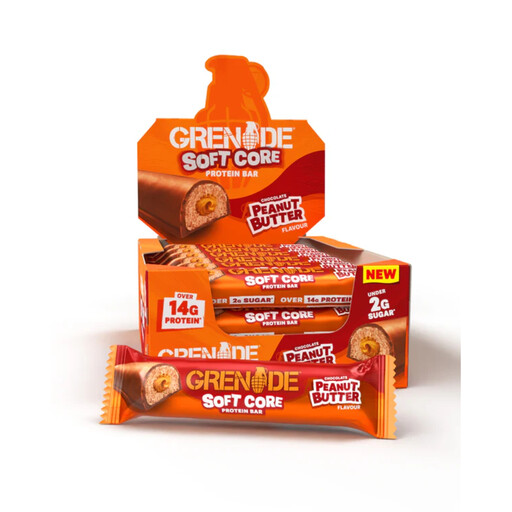 No image available
The 50g Peanut Butter bar is another post-ride snack format. Check its own nutrition panel and full allergen statement, particularly if peanuts, milk or soya affect your choice.
Do not treat its protein claim as a complete ride-fuelling plan. Cycling UK advises planning food around ride distance and distinguishing what you eat while riding from what you have afterwards; British Cycling identifies protein as a priority after rides longer than 90 minutes.
Start with protein per full bar if you expect to eat one bar, then use per-100g values for an equal-weight comparison. Serving sizes differ: Tesco Groceries lists 10.4g protein per 40g Eat Natural Peanuts, Almonds & Salted Caramel bar and 7.2g per 45g nākd. Cocoa Hazelnut bar.
No: those descriptions do not answer every allergen question. The researched vegan nākd. Cocoa Hazelnut bar contains peanuts and hazelnuts, while the vegan TREK Smooth Lemon flapjack has a may-contain statement for peanuts, nuts and milk. Check the current pack for the exact variant.
Yes. Nature Valley UK advises checking the pack’s ingredients and nutrition information because products may be reformulated. This matters particularly when a specific ingredient or allergen determines whether you can eat the bar.