For a half-term snack bag, compare protein per bar alongside sugars, fibre, ingredients and allergens rather than relying on “protein” in the name. Individually wrapped bars can be convenient for days out, but the right choice depends on the child’s dietary needs, the bar’s texture and what else they will eat that day.
Who is choosing these bars?
The useful comparison changes with the person eating the bar: convenience, dietary fit and allergen checks do not answer the same question.
Parents packing for half-term outings
An individually wrapped bar is easy to carry for a journey or activity. Compare the portion and nutrition information as well as the wrapper: NHS guidance recommends fruit and vegetables as children’s snacks and advises aiming for no more than two packaged snacks a day.
Families looking for vegan or gluten-free options
Dietary claims apply to particular products, not every flavour from a brand. For example, Tesco lists its Trek Biscoff Protein Flapjack as vegan and its nākd. Peanut Butter Protein Bar as vegan and gluten-free; check the declaration on the exact pack being bought.
Households managing food allergies
Protein bars may use peanuts, other nuts, soy or milk. Nature Valley’s Salted Caramel Nut bar, for example, lists all four. Read the current ingredients and allergen statement for the individual bar before putting it in a child’s snack bag.
What should you check before buying?
Start with the portion the child will actually eat, then check the ingredients and texture before comparing formats or flavours.
| Priority |
What to check |
Your needs |
| Protein per bar |
Compare grams for one bar, not figures for different portion sizes. Nature Valley UK describes its 40g Salted Caramel Nut bar as providing around 10g of protein; Tesco lists 9g for a 50g Trek Biscoff flapjack and 7.6g for a 45g nākd. Peanut Butter bar. |
For an individually wrapped snack on a day out, I want to know how much protein is in the portion being packed, rather than judge it by the product name. |
| Sugars and saturates |
Read the per-bar nutrition panel and front-of-pack traffic-light colours, where shown. Tesco lists 13g sugars in a 45g nākd. Peanut Butter bar despite its no-added-sugar description; Eat Natural lists 10g sugars and 5.6g saturates in its 40g Dark Chocolate & Peanut bar. |
If a bar is one of several snacks during the day, I want to see its actual portion figures rather than use a protein or no-added-sugar claim as the whole nutrition check. |
| Allergens and texture |
Read the current ingredients, highlighted allergens and any “may contain” statement for the exact flavour. Check for whole nuts or hard pieces separately: the NHS says whole nuts should not be given to children under five because of choking risk. |
I need a bar the child can eat safely; a vegan or gluten-free label alone does not answer an individual allergy or chewing question. |
| Dietary claims |
Check vegan, gluten-free or dairy-free wording on the particular pack and compare its full ingredient list. A no-added-sugar description does not mean that the nutrition panel will show zero sugars. |
When a specific ingredient or dietary requirement matters, I want the exact variant to fit it, not just another bar from the same range. |
| Snack routine |
Consider when the bar will be eaten and what other snacks are packed. NHS Healthier Families recommends fruit and vegetables as children’s snacks and advises aiming for no more than two packaged snacks a day. |
A wrapped bar helps with carrying food to an activity, but I do not need to make it the default snack throughout half-term. |
Common mistakes to avoid
-
Assuming “protein” tells you the amount in a bar
The portions and protein figures differ between products. Nature Valley UK describes around 10g protein in its 40g Salted Caramel Nut bar, while Tesco lists 6.3g per 100g for Graze Cocoa Vanilla & Protein Flapjack.
Compare the declaration for one bar, converting a per-100g figure only when its portion weight is clear. Keep product naming separate from the amount you intend to buy.
-
Checking protein but overlooking the eaten portion’s sugars
The Tesco-listed nākd. Peanut Butter Protein Bar has a no-added-sugar description but lists 13g sugars per 45g bar. Eat Natural lists 10g sugars and 5.6g saturates per 40g Dark Chocolate & Peanut bar.
Read the per-bar panel and any front-of-pack traffic-light colours alongside protein and fibre, rather than deciding from one claim.
-
Treating plant-based or gluten-free as an allergy check
Those descriptions do not establish that a bar is suitable for someone avoiding nuts, milk or soy. Nature Valley’s Salted Caramel Nut bar contains peanut, almond, soy and milk ingredients.
Check the current ingredients and precautionary allergen wording for the exact flavour before purchase and before eating.
-
Assuming a wrapped bar suits every child’s age
Allergy and choking risk are separate considerations. The NHS says whole nuts should not be given to children under five because they can choke.
For a child under five, inspect nut pieces and texture as well as the allergen statement, and choose a different snack if the bar cannot be chewed safely.
Brand and product-line references
These examples show why it is worth checking the exact flavour and portion; a brand name does not give every bar the same nutrition or allergen profile.
Nature Valley
Its Protein range includes the 40g Salted Caramel Nut bar described by Nature Valley UK as providing around 10g protein and 4g fibre per bar.
- The cited bar is labelled gluten free and vegetarian.
- It contains peanut, almond, soy and milk ingredients and may contain other tree nuts.
Trek
The Tesco-listed Biscoff Protein Flapjack is a 50g vegan format with 9g plant protein per flapjack.
- Tesco also describes this particular flapjack as a source of fibre.
- Check the ingredients and nutrition panel for the flavour being bought; these Biscoff figures do not describe every Trek flapjack.
Nakd
Tesco lists the nākd. Peanut Butter Protein Bar as vegan and gluten-free, with 7.6g protein and 6.8g fibre per 45g bar.
- The cited bar carries a no-added-sugar description.
- It lists 13g sugars per bar. Check its peanut and precautionary allergen information against the eater’s needs.
Eat Natural
Its Dark Chocolate & Peanut Protein Bar is a 40g nut-based option with 7.8g protein per bar, according to Eat Natural UK.
- The cited product is described as gluten free.
- It lists 10g sugars per bar, contains peanuts and soy, and has precautionary information for milk and other nuts.
Graze
Tesco lists 6.3g protein and 17g fibre per 100g for Graze Cocoa Vanilla & Protein Flapjack.
- Its listed nutrition panel lets shoppers compare protein and fibre using the same per-100g basis.
- This particular flapjack has a broad “may contain” allergen statement, including peanuts, tree nuts, milk and sesame.
Alpen
Alpen’s UK product pages describe muesli. A muesli product should not be used as the nutrition reference for an Alpen snack bar.
- Check a named bar’s own portion and nutrition panel if comparing it with individually wrapped snacks.
- Do not transfer ingredients, protein figures or dietary claims from Alpen muesli to a different product.
Joybuy snack-bar options
These Joybuy options cover Nature Valley protein bars, Trek protein flapjacks and an Eat Natural peanut-and-chocolate bar for half-term snack bags. Compare the exact pack before choosing for a child, particularly where allergens or texture matter.
 No image available
Nature Valley Protein Salted Caramel Nut Bars, 4 × 40g
A four-bar pack for individually portioned snacks. Nature Valley UK describes this flavour as providing around 10g protein and 4g fibre per 40g bar; it contains peanut, almond, soy and milk ingredients. Check the current pack and its texture before giving it to a child.
View on Joybuy
 No image available
Nature Valley Protein Peanut & Chocolate Cereal Bars, 8 × 40g
This eight-bar pack offers separate 40g portions for outings. Because the named flavour includes peanut, check the exact pack’s full allergen statement, nutrition panel and texture before adding it to a child’s snack bag.
View on Joybuy
 No image available
Trek Salted Caramel Protein Flapjacks, 3 × 50g
A 50g flapjack format for those comparing individually portioned snacks with cereal bars. Check the Salted Caramel pack’s own protein, sugars, ingredients and allergen statement; figures for Trek’s Biscoff flavour do not establish this variant’s values.
View on Joybuy
 No image available
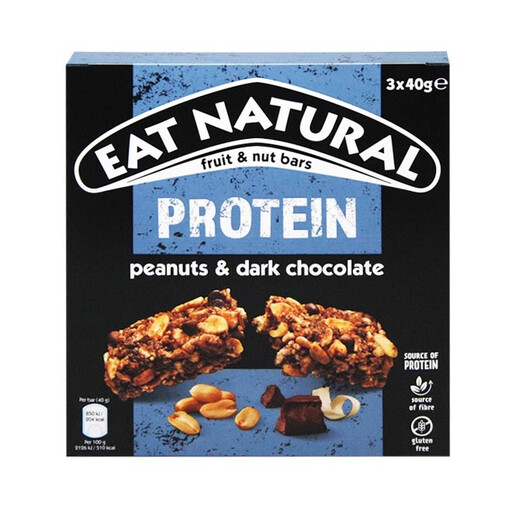
Eat Natural Protein-Packed with Peanuts and Chocolate, 3 × 40g
This pack contains three 40g peanut-and-chocolate bars. Check its own per-bar nutrition and allergen declaration before choosing it for a child; the figures for Eat Natural’s separately named Dark Chocolate & Peanut bar should not be applied to this product.
View on Joybuy
 No image available
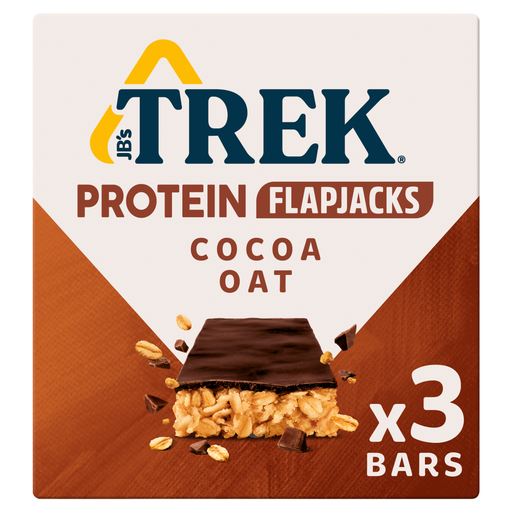
Trek Cocoa Oat Protein Flapjacks, 3 × 50g
These cocoa oat flapjacks come as three 50g portions. Compare the Cocoa Oat pack’s own protein and sugars per flapjack and read its allergen statement rather than transferring details from another Trek flavour.
View on Joybuy
Questions about children’s snack bars
Does “protein” in a bar’s name tell me how much it contains?
No. Compare the grams of protein in the portion being eaten. A product name alone cannot tell you whether a 40g bar and a 50g flapjack provide similar amounts.
Should a protein bar replace other half-term snacks?
It need not. NHS Healthier Families recommends fruit and vegetables as children’s snacks and advises aiming for no more than two packaged snacks a day. A wrapped bar may be convenient on an outing; check its portion and ingredients in the context of the day’s other food.
What if my child needs to avoid nuts, milk or soy?
Read the current ingredients, highlighted allergens and any “may contain” statement on the exact pack before the child eats it. Nature Valley UK lists peanut, almond, soy and milk ingredients for its Salted Caramel Nut bar, so its suitability cannot be judged from protein or gluten-free wording alone.
Are nut-based bars suitable for children under five?
Check the texture and nut pieces, not just the age of the child or the wrapper. The NHS says whole nuts should not be given to children under five because they can choke; an individual bar’s allergy risks also need a separate check.
Does “no added sugar” mean a bar contains no sugars?
No. Tesco lists 13g sugars per 45g bar for nākd. Peanut Butter Protein despite its no-added-sugar description. Use the nutrition panel for the exact flavour to compare the portion you plan to pack.


