Choose a snack bar by its protein per bar, not its protein-related wording alone. Among the named-brand examples, Ocado lists 15g for a 55g TREK bar and Tesco lists 12g for a 44g TREK bar; Nature Valley UK lists around 10g for its 40g protein bars. Serving size, sugars, ingredients and allergens may make a different bar more suitable for your needs.
Who is choosing these bars?
Shoppers comparing protein per snack
If you plan snacks around their protein content, compare grams per individual bar alongside serving weight. The named-brand examples listed by Ocado, Tesco, Nature Valley UK and nākd. range from 7.5g to 15g per bar.
Vegan or dairy-free shoppers
Check the declaration for the exact flavour. TREK describes its bars as plant-based, while nākd. identifies its Peanut Butter Protein Bar as vegan and dairy-free; those descriptions do not replace an ingredient and allergen check.
Shoppers managing food allergies
Check each pack for ingredients and relevant precautionary warnings. The researched bars include varieties containing peanuts, soya, milk, almonds or sesame; dietary labels such as vegan and gluten-free address different requirements.
What should you compare?
Start with the amount in one bar, then compare the nutrition and ingredients of flavours that meet your dietary requirements.
| Priority | What to check | Your needs |
|---|
| Protein per bar |
Compare grams of protein per individually wrapped bar and its serving weight. Ocado lists 15g per 55g TREK Choc Peanut Butter bar; Nature Valley UK lists 10.2g per 40g Peanut & Chocolate bar. |
I want to know what one snack contributes, rather than compare front-of-pack wording or per-100g figures alone. |
| Sugars and energy |
Read total sugars and energy per bar for the exact flavour. nākd. lists 13g sugars per 45g Peanut Butter Protein Bar despite its no-added-sugar description; Tesco lists 218 kcal and 6.1g sugars per 40g Eat Natural Peanuts, Almonds & Cocoa bar. |
If this will be a regular snack, I want to compare the whole bar’s nutrition, not assume that similar protein wording means similar contents. |
| Dietary fit |
Check vegan, dairy-free or gluten-free statements for the specific product. Read the ingredients and any relevant “may contain” warning separately. |
A bar needs to fit the ingredients or allergens I avoid, even if its protein figure looks suitable. |
| Ingredients and fibre |
Compare the ingredient list and fibre per bar if either matters to you. Tesco lists 2.5g fibre per 40g Eat Natural Peanuts, Almonds & Cocoa bar; nākd. lists 7.1g per 45g Peanut Butter Protein Bar. |
I may prefer a particular ingredient profile or want fibre to be part of my comparison, without treating it as a substitute for checking protein and sugars. |
What is easy to overlook?
-
Choosing from a protein claim alone
Protein per bar varies with the product and serving size. The named-brand examples listed by Ocado, Tesco, Nature Valley UK and nākd. range from 7.5g to 15g per bar.
Compare the grams in one bar against the amount you want from that snack, and note the bar’s weight.
-
Reading “no added sugar” as a total-sugars figure
The nākd. Peanut Butter Protein Bar is described as having no added sugar, but nākd. lists 13g total sugars per 45g bar. Ingredient descriptions also do not tell you the bar’s energy value.
Use the nutrition panel to compare total sugars, energy and saturated fat per bar.
-
Assuming one dietary label covers every allergen
A vegan or gluten-free description does not answer every allergy question. Ingredients and precautionary warnings differ between bars and flavours.
Read the exact pack before eating it, including any “may contain” wording relevant to the allergens you avoid.
-
Comparing brands instead of current products
A brand’s wider snack range does not establish the protein content of a particular bar. Graze describes plant protein across its snacks, while Alpen’s current product information focuses on muesli and identifies some older bars as discontinued.
For any Graze or Alpen bar you are considering, compare its current product label and protein per bar with the specific alternatives.
How do the named brands differ?
TREK
TREK describes its High Protein bars as plant-based. Ocado and Tesco list 15g protein in Choc Peanut Butter and 12g in Choc Caramel respectively.
- The two listed flavours offer different protein amounts and bar sizes: 15g per 55g bar and 12g per 44g bar.
- Check the flavour’s allergens: the researched variants contain soya, and their other ingredients and precautionary warnings differ.
Nature Valley
Nature Valley UK lists around 10g protein per 40g bar for its Peanut & Chocolate and Salted Caramel Nut protein varieties, both described as gluten-free.
- Its product pages give per-bar nutrition for comparing the two flavours.
- The researched bars contain peanuts, soya and milk; Salted Caramel Nut also contains almond.
Eat Natural
For its Peanuts, Almonds & Cocoa protein bar, Tesco lists 8g protein per 40g bar.
- The nut-and-fruit ingredient profile may suit shoppers looking for that type of bar.
- Tesco also lists 218 kcal and 6.1g sugars per bar. The product contains peanuts and almonds.
nākd.
nākd. describes its Peanut Butter Protein Bar as vegan, gluten-free, dairy-free and having no added sugar.
- nākd. lists 7.5g protein and 7.1g fibre per 45g bar.
- The same bar lists 13g total sugars and contains peanuts; no added sugar does not mean sugar-free.
Graze
Graze describes plant protein as one possible characteristic of its snacks, rather than a protein amount shared by every product.
- Compare an individual Graze snack’s label if its ingredients appeal to you.
- Do not assume a particular flapjack or snack has the same protein per bar as a dedicated protein bar.
Alpen
Alpen’s current product pages foreground muesli, and its product help page identifies some historic bars as discontinued.
- Use a current product listing and nutrition label when assessing a specific Alpen bar.
- An older bar name is not a dependable basis for comparing today’s protein per serving.
Joybuy snack-bar options
These Joybuy listings are protein-bar multipacks, including Grenade flavours and a Nature Valley Salted Caramel Nut pack. Compare the nutrition label for each exact flavour and bar size before choosing.
 No image available
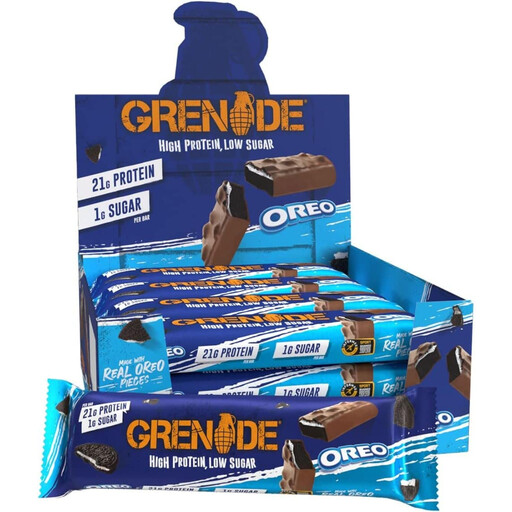
Grenade Oreo Protein Bars, 12 × 60g
For a snack-by-snack comparison, check the protein, sugars and allergens on the Oreo flavour’s label. This listing is for twelve 60g bars.
 No image available
Grenade Soft Core Double Chocolate, 12 × 50g
If you prefer Double Chocolate, compare its per-bar nutrition and ingredients with the other flavours rather than assuming they are identical. The pack contains twelve 50g bars.
 No image available
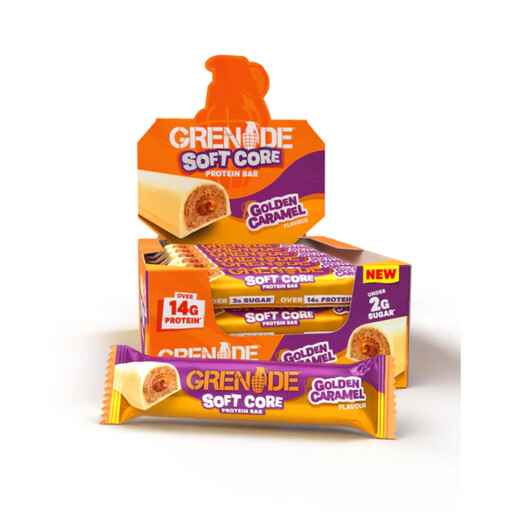
Grenade Soft Core Golden Caramel, 12 × 50g
For this Golden Caramel variant, use the exact pack label to compare protein, sugars and allergens. This listing contains twelve 50g bars.
 No image available
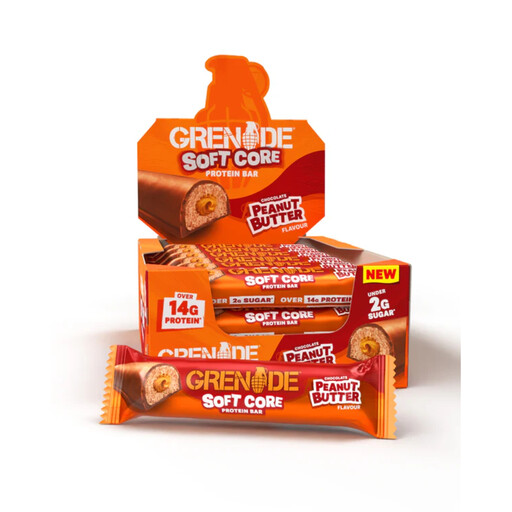
Grenade Soft Core Peanut Butter, 12 × 50g
If you are considering the Peanut Butter flavour, check its ingredient and allergen statement as well as its per-bar protein. The pack contains twelve 50g bars.
 No image available
Nature Valley Protein Salted Caramel Nut, 4 × 40g
For a bar around the 10g-protein mark, Nature Valley UK lists 10.4g protein per 40g Salted Caramel Nut bar and describes it as gluten-free. Check the pack if you avoid peanuts, soya, milk or almonds.
Frequently asked questions
Do protein-labelled snack bars all provide the same amount per bar?
No. Compare grams per bar and the bar’s weight: Nature Valley UK lists 10.2g protein per 40g Peanut & Chocolate bar, while Ocado lists 15g per 55g TREK Choc Peanut Butter bar.
What should I check if I have a food allergy?
Read the ingredients and relevant precautionary warnings on the exact pack. GOV.UK says regulated allergens used as ingredients in prepacked food must be clearly identified; a vegan or gluten-free description does not replace a check for other allergens.
Does “no added sugar” mean a protein bar is low in total sugars?
No. The description is not a total-sugars figure: nākd. describes its Peanut Butter Protein Bar as having no added sugar but lists 13g sugars per 45g bar. Compare the total-sugars entry when choosing between bars.
How do I keep the nutrition and allergen information current?
Check the delivered pack’s nutrition panel, ingredients, allergen statement, storage instructions and best-before date. Use the details for that flavour and pack rather than assuming another bar from the same brand has the same recipe.


