Parents packing nursery lunches
If you want a convenient snack for a young child, start with the nursery’s policy, the child’s allergies and an age-appropriate way to serve the food—not a protein claim.


Do not choose a bar for a nursery lunch simply because it claims to be high in protein: a 2025 Sheffield Hallam University study of 185 early-years packed lunches found the lunches were already high in protein. For children under five, check the nursery’s food and allergy policy and the exact bar’s ingredients before packing it; England’s Department for Education advises against giving whole nuts to this age group. Then consider the portion and nutrition label alongside the rest of the lunch.
The relevant checks differ depending on whether you are packing a lunch or reviewing food brought into an early-years setting.
If you want a convenient snack for a young child, start with the nursery’s policy, the child’s allergies and an age-appropriate way to serve the food—not a protein claim.
Check the exact variant’s ingredients, texture and nutrition panel. Claims about protein, fibre or added sugar do not establish whether a bar is suitable for an under-five.
England’s Department for Education early-years guidance addresses balanced food, choking hazards and allergen management. The setting’s own arrangements also matter when assessing food brought from home.
Check age, ingredients and nursery rules before comparing protein figures. If a bar passes those checks, read its nutrition information in the context of the whole lunch.
| Priority | What to check | Your needs |
|---|---|---|
| Choking and allergies | Read the exact ingredients and allergen information. England’s Department for Education says whole nuts and whole seeds should not be given to children under five; check the food’s form and how it will be served. | I need a snack that fits my child’s age and allergies, and that the nursery can manage under its food policy. |
| Whole-lunch balance | Consider the bar with the rest of the lunch rather than setting a protein target from its packaging. A 2025 Sheffield Hallam University study of 185 early-years packed lunches found the lunches were already high in protein. | A protein figure alone will not tell me whether this snack makes sense alongside everything else I pack. |
| Nutrition label | Compare the exact portion’s sugar and saturated fat information, and use the per 100g figures where you need to compare packs. A protein or fibre claim is not an overall nutrition assessment. | I want to understand what is in the portion my child would eat, rather than decide from the front of the pack. |
| Product and nursery fit | Check the current label for the chosen flavour and pack size, then confirm the nursery’s rules for brought-in food, allergens and serving. | If I choose a packaged snack, it needs to work for my child and for the way their nursery handles lunch. |
A 2025 Sheffield Hallam University study of 185 early-years packed lunches found the lunches were already high in protein. A bar’s protein figure does not assess the balance of a particular child’s lunch.
Consider the full lunch and the nursery’s policy before deciding whether a packaged bar has a place in it.
England’s Department for Education advises that whole nuts and whole seeds should not be given to children under five. Nature Valley describes its UK protein bars as combining whole peanuts with a chewy texture.
Do not pack a bar containing whole nuts or whole seeds for an under-five. Read the exact ingredients and check the nursery’s allergen arrangements.
In its 2025 survey of supermarket snack bars, Action on Sugar reported that 53% carried a protein claim, while 37% would be high in sugars and 55% high in saturated fat under the report’s traffic-light assessment. Those figures describe the surveyed products, not children’s needs.
Read the nutrition panel for the bar and portion you are considering, even when the pack highlights protein, fibre or no added sugar.
A brand may sell fruit-and-nut bars, flapjacks and other formats with different ingredients and textures. A range description cannot settle the choice of a particular pack.
Check the current label for the exact flavour and pack size you intend to send.
These ranges show why the exact bar matters; a brand’s inclusion here does not mean its products are appropriate for every nursery lunch.
Nature Valley lists UK protein bars with 7g or 10g protein per bar, depending on the variant.
TREK sells Protein Flapjacks and High Protein bars as distinct snack formats.
nākd. describes its fruit-and-nut bars as pressed fruit and nuts and says they contain no added sugar.
Graze describes a broad snack range using ingredients that include wholegrains, vegetables, fruit and nuts.
These Joybuy options are a fruit snack pouch and soft oaty bars for young children, rather than a selection of high-protein bars. Check each pack and the nursery’s policy before choosing one for lunch.
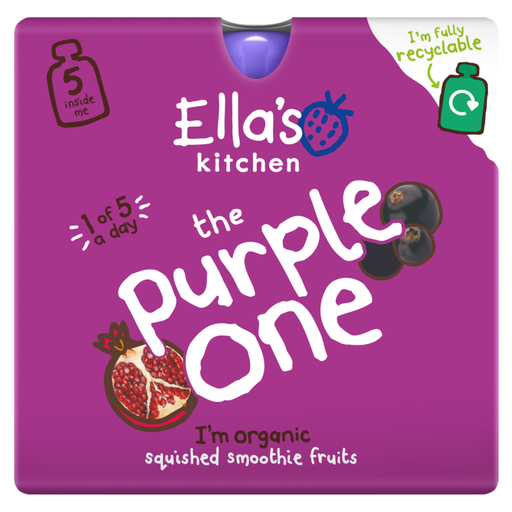 No image available
This fruit purée pouch offers a different format from a snack bar for a nursery lunch.
The stated age is 6+ months; the pack contains 5 x 90g pouches. Keep the cap out of reach of children under 36 months and check the nursery’s rules for pouches.
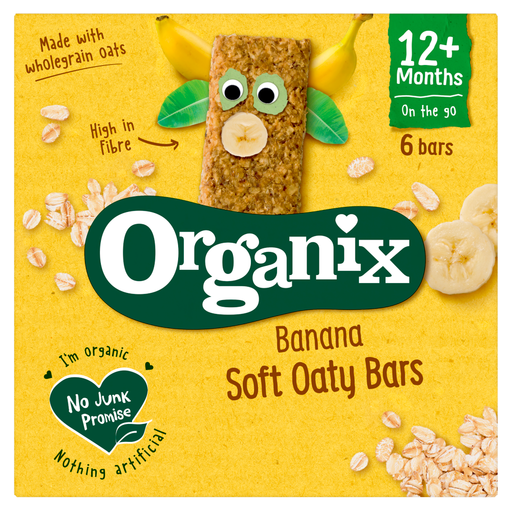 No image available
This soft oaty bar is a packaged option to consider if the nursery accepts bars for children of the stated age.
The pack is labelled 12+ months and contains 6 x 23g bars. Check its current allergen information, including any nut, soya or milk cross-contact warning, against the child’s needs and nursery policy.
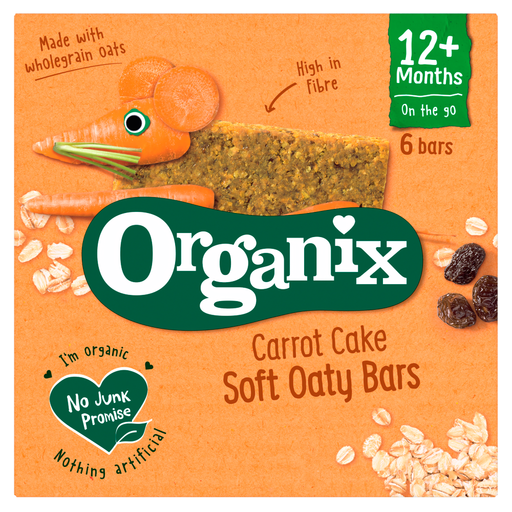 No image available
This soft oaty bar provides a child-labelled bar format without making a high-protein claim the reason to pack it.
The stated age is 12+ months and the pack weight is 138g. Check the exact pack for allergen and cross-contact information, including nuts, soya and milk, before sending it to nursery.
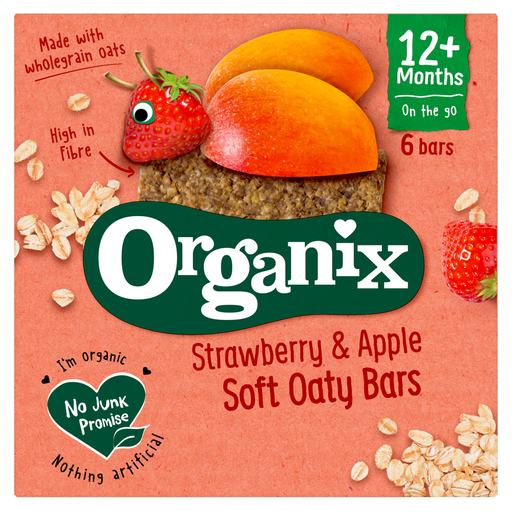 No image available
This soft oaty bar is another format to assess against the nursery’s rules and the child’s age.
The pack is labelled 12+ months and contains 6 x 23g bars. Read the current ingredients and any nut, soya or milk cross-contact warning, as well as the nutrition information for a bar.
 No image available
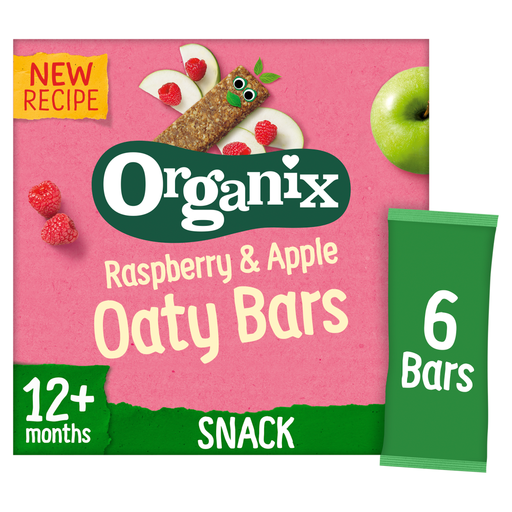
This soft oaty bar offers a raspberry-and-apple variant to assess as part of a nursery lunch.
The pack is labelled 12+ months and contains 6 x 23g bars. Check its current factory cross-contact information for nuts, soya and milk against the child’s needs and nursery policy.
No: choose for the child’s age, the nursery’s policy and the balance of the whole lunch rather than the protein claim. A 2025 Sheffield Hallam University study of 185 early-years packed lunches found the lunches were already high in protein; it does not establish what an individual child needs.
Do not pack one containing whole peanuts for an under-five. Nature Valley describes its UK protein-bar range as containing whole peanuts, and England’s Department for Education says whole nuts should not be given to children under five. Check the exact product rather than relying on a range name.
No. It does not tell you whether the ingredients and form are appropriate for the child or whether the nursery accepts the bar. Read the exact pack’s nutrition information and consider its portion alongside the rest of the lunch.
Check the individual nursery’s packed-lunch and allergy policy before buying one. Acceptance of a particular bar depends on that setting’s arrangements and the product you intend to send.
Check the exact variant’s age information, ingredients, allergen and cross-contact statements, portion size, sugar and saturated fat figures, and food form. For an under-five, do not choose a product containing whole nuts or whole seeds; also confirm that the nursery accepts the snack.