Hosts serving adults or older teenagers
Individually wrapped bars make it possible to offer a labelled protein snack. Choose the particular bar against the guest list, rather than treating a protein figure as a reason to serve it to everyone.


Choose bars around the guest list before comparing protein figures: check allergies and dietary requirements, then read the exact pack’s ingredients, precautionary allergen wording, serving size and protein per bar. TREK describes its High Protein range as providing 15g of protein per bar, while Nature Valley’s Peanut & Chocolate bar provides around 10g per 40g bar; neither figure establishes whether a bar suits every guest. Offer bars as one snack option rather than the whole party-food selection.
Individually wrapped bars make it possible to offer a labelled protein snack. Choose the particular bar against the guest list, rather than treating a protein figure as a reason to serve it to everyone.
Vegan, gluten-free, dairy-free and no-added-sugar requests call for different label checks. A bar that meets one preference can still contain an allergen relevant to a guest.
Check ingredients and precautionary statements for the exact bars being served. Several peanut-based options discussed here also contain soya or carry warnings about other nuts.
Start with guest requirements, then compare labelled portions and nutrition information for bars that those guests can eat.
| Priority | What to check | Your needs |
|---|---|---|
| Protein per bar | Read the grams of protein and serving weight on the exact pack. TREK states 15g per bar for its High Protein range; Nature Valley UK describes around 10g per 40g Peanut & Chocolate bar. These are different products and portions. | I’d like guests who want a protein snack to see what one individually wrapped bar provides, without relying on its front-of-pack name alone. |
| Allergens | Check highlighted ingredients and any ‘may contain’ statement for the purchased flavour. Nature Valley UK lists peanut, soya and milk for Peanut & Chocolate, with possible tree nuts. | If a guest has an allergy, I need to establish whether the exact bar is suitable before placing it on the table. |
| Dietary preferences | Match each label claim to the guest’s requirement, then check allergens separately. Tesco lists nākd. Peanut Butter Protein Bars as vegan, gluten-free and dairy-free, but they contain peanuts. | A vegan or dairy-free choice may help some guests; I wouldn’t assume it also meets someone else’s allergy requirements. |
| Whole portion | Compare protein, sugars and energy for the stated bar size, not just one figure. Check whether a nutrition panel describes one bar or a different reference quantity. | For portion planning, I want to know what guests receive in a single wrapper and what else the label says about it. |
| Party-food mix | Consider bars alongside the other food being offered. The NHS Eatwell Guide describes dietary balance across a day or week, not as something established by one snack. | I can offer a protein bar as an optional snack without expecting it to replace the rest of the party food. |
Nature Valley UK lists peanut, soya and milk in its Peanut & Chocolate bar; Eat Natural lists peanuts and soya in its Protein Packed peanut-and-chocolate bar. Both also carry precautionary allergen information relevant to other guests.
Ask about allergies before choosing a flavour, then check its ingredients and ‘may contain’ statement on the purchased packaging.
Eat Natural UK lists 7.8g protein per 40g Protein Packed peanut-and-chocolate bar, while Tesco lists 7.6g per 45g nākd. Peanut Butter Protein Bar. The serving weights differ.
Read the per-bar protein, sugars and energy together, and make sure each figure refers to the portion you intend to serve.
Tesco describes nākd. Peanut Butter Protein Bars as vegan, gluten-free, dairy-free and containing no added sugar. They nevertheless contain peanuts and may contain soya and nuts.
Check each guest requirement separately; a preference label does not replace the ingredient and precautionary allergen statements.
An unsuitable ingredient or precautionary statement can leave bars you cannot serve to the intended guests.
Check the current information for the exact flavour before ordering, then keep the purchased packaging available at the party.
These examples help distinguish labelled portions and ingredients; check the particular flavour rather than applying a range description to every bar.
TREK describes a High Protein range separately from its Protein Flapjacks.
Its Peanut & Chocolate Protein bar is a 40g peanut-based option.
The Protein Packed peanut-and-dark-chocolate bar combines nuts, chocolate and soya crispies.
Peanut Butter Protein Bars are a fruit-and-nut option with several dietary-preference labels.
Graze offers snacks with differing nutritional features, rather than a single protein amount across its range.
These protein-bar multipacks offer individually portioned options for party planning. Check the exact pack against guest requirements before choosing a flavour.
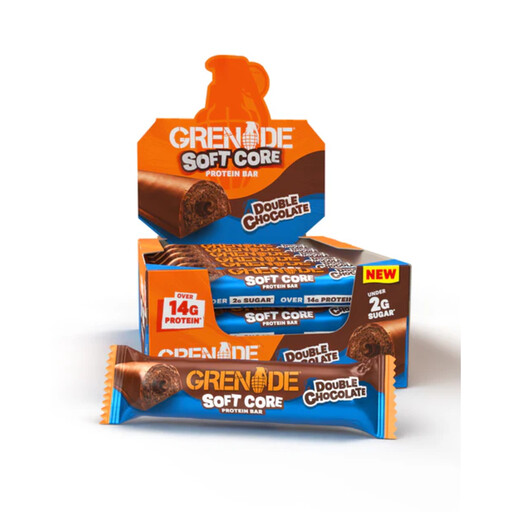 Image unavailable
The 12-pack provides 50g bars for guests choosing a protein snack. This flavour contains milk and soya, so check the pack’s full allergen statement before serving it.
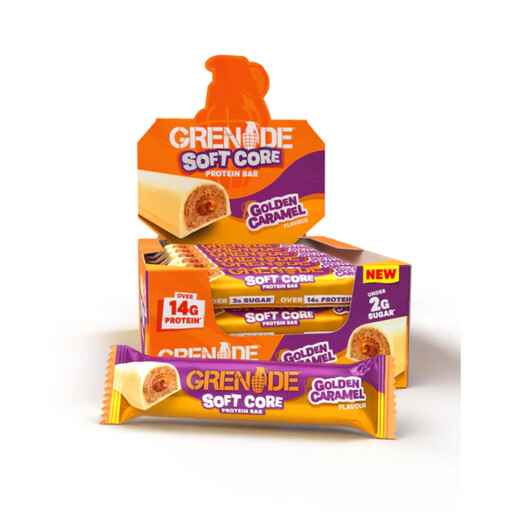 Image unavailable
This Golden Caramel multipack contains 12 bars of 50g each. The bars contain milk and soya and are not a vegan option; check the purchased pack for any further allergen wording.
 Image unavailable
Nature Valley UK describes around 10g protein per 40g bar. This four-pack contains peanut, soya and milk, and the manufacturer says the bars may contain tree nuts.
 Image unavailable
This four-pack offers a different Nature Valley flavour in 40g bars. It contains peanuts, almonds, milk and soya; check its own packaging rather than using the Peanut & Chocolate flavour’s nutrition figures.
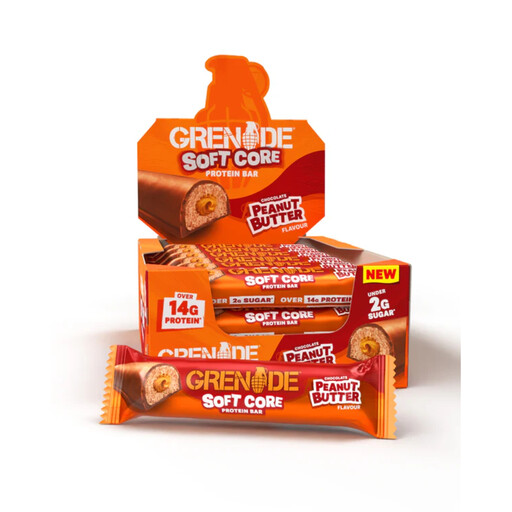 Image unavailable
This Peanut Butter multipack contains 12 bars of 50g each. The bars contain peanuts, milk and soya and are not suitable for guests who need to avoid those ingredients.
No. The phrase does not tell you whether the exact bar meets a guest’s allergy or dietary requirements. Read its protein per serving alongside its ingredients, precautionary allergen statement and other nutrition information.
Ask guests about allergies and dietary requirements, then check the ingredients and any ‘may contain’ wording on the exact bars you plan to serve. Keep the packaging available so guests can refer to it.
Do not assume they are suitable. Nature Valley UK lists peanuts in its Peanut & Chocolate bar, Eat Natural UK lists peanuts in its Protein Packed peanut-and-chocolate bar, and the nākd. Peanut Butter bar is also peanut-based. Establish guest requirements before choosing any of them.
No. Tesco describes nākd. Peanut Butter Protein Bars as vegan and gluten-free, but they contain peanuts and may contain soya and nuts. Check the particular guest’s requirements against the full declaration on the purchased pack.
Offer them as an optional snack alongside other food rather than treating a protein figure as a complete menu. The NHS Eatwell Guide considers dietary balance across a day or week, not one individual snack.