Choose a school-bag snack bar by its protein per bar, ingredients and the eater’s requirements, rather than the word “protein” alone. Nature Valley’s 40g Protein bars offer around 10g protein per bar but contain peanuts, soya and milk; TREK Cocoa Oat is a vegan, gluten-free alternative with 9g protein per 50g bar, but contains soya and may contain peanuts, nuts and milk. Check the current wrapper and the school’s allergy policy before packing a bar.
Who is choosing a bar?
The right bar depends as much on where it will be eaten and who will eat it as on the protein figure.
Parents packing school-bag snacks
An individually portioned bar is straightforward to pack, but its ingredients and precautionary allergen statements must fit the child’s needs and the school’s policy. The Department for Education’s allergy guidance applies to schools in England; ask the individual school about its arrangements.
Pupils looking for vegan and gluten-free options
TREK describes its Cocoa Oat Protein Flapjack as vegan and gluten-free, with 9g plant protein per 50g bar. It contains soya and may contain peanuts, nuts and milk, so those declarations do not settle every allergy question.
Students comparing protein and fibre
Nature Valley’s 40g Protein Salted Caramel Nut and Peanut & Chocolate bars each provide around 10g protein and around 4g fibre, according to the brand’s product information. Its 36g Protein + Fibre Coconut & Almond bar instead provides 7g protein and approximately 5.9g fibre. Compare the values for the individual bar you would pack.
What matters when choosing?
Start with the eater’s dietary and allergen requirements, then compare the nutrition for one bar. A protein figure cannot make a bar suitable under a school’s allergy arrangements.
| Priority | What to check | Your needs |
|---|
| Protein per bar |
Read grams of protein for one bar and its weight, not just values per 100g. Compare bars of different sizes on the portion you would actually pack. |
I want to know how much protein is in a single snack, whether that bar weighs 36g, 40g or 50g. |
| Allergens and school rules |
Read named ingredients and “may contain” statements on the current wrapper. Check the individual school’s policy; the Department for Education says schools in England must publish an allergy-safety policy addressing known allergens. |
A bar needs to suit the eater’s allergies and the school’s arrangements before it goes into a lunchbox. |
| Dietary requirements |
Check vegan, gluten-free and dairy-free declarations on the exact product separately. TREK Cocoa Oat is declared vegan and gluten-free but contains soya; the retailer listing for Nakd Protein Peanut Butter describes it as gluten-free and dairy-free, but it contains peanuts. |
If I need a plant-based or gluten-free snack, I still need to check every relevant ingredient and allergen statement. |
| Other nutrition per bar |
Read fibre, sugars and energy alongside protein, using the same per-bar basis. Nature Valley’s product information distinguishes its roughly 10g-protein 40g bars from its 7g-protein, higher-fibre 36g Coconut & Almond bar. |
Protein matters to me, but I also want to compare the rest of the nutrition panel for the portion I will eat. |
What is easy to overlook?
-
Assuming a protein bar belongs in every school lunchbox
Several of the named protein bars contain peanuts or tree nuts. The Department for Education’s guidance requires schools in England to publish allergy-safety arrangements for known allergens; it does not establish one identical rule for every school.
Check the school’s current policy and the exact wrapper’s ingredients and precautionary statements before buying a multipack for school.
-
Treating vegan or gluten-free as allergen-free
TREK Cocoa Oat is vegan and gluten-free but contains soya and may contain peanuts, nuts and milk. The retailer-listed Nakd Protein Peanut Butter bar is gluten-free and dairy-free but contains peanuts.
Check each dietary requirement and allergen separately against the particular bar’s current packaging.
-
Comparing protein without checking portion size
A 50g bar and a 40g bar are different portions. Their protein figures alone also say nothing about their sugars, fibre or energy values.
Compare protein for one complete bar, then read the other per-bar nutrition figures on the same basis.
-
Relying on an older online ingredient list
A recipe or online listing may differ from the pack being purchased. That matters particularly when an ingredient or precautionary allergen statement determines whether the snack can be packed.
Before using a multipack, check the current wrapper against the eater’s requirements and the school’s policy.
Brand ranges to recognise
A brand name is a starting point, not a substitute for the nutrition and allergen information on the exact bar.
Nature Valley
Nature Valley’s Protein range includes 40g Salted Caramel Nut and Peanut & Chocolate bars, alongside a 36g Protein + Fibre Coconut & Almond bar.
- The brand provides per-bar protein and fibre figures for these named products.
- The two 40g bars contain peanut, soya and milk ingredients; the Coconut & Almond variant also contains wheat and barley.
TREK
TREK’s Cocoa Oat Protein Flapjack is a 50g vegan, gluten-free bar with 9g plant protein, according to the brand.
- Its vegan and gluten-free declarations address two distinct dietary requirements.
- It contains soya and may contain peanuts, nuts and milk; the declared 50g bar has 14g sugars.
Nakd
A UK retailer lists the 45g Nakd Protein Peanut Butter bar with 7g plant protein and describes it as gluten-free, dairy-free and having no added sugar.
- These declarations make the exact Peanut Butter bar worth checking where dairy-free or no-added-sugar labelling matters.
- It contains peanuts. Check the current pack for complete ingredient and allergen information.
Eat Natural
Eat Natural lists protein fruit-and-nut bars in several peanut-led flavours, including chocolate, orange, coconut and almond variants.
- The range offers identifiable protein-bar flavours to compare at pack level.
- Check the exact variant’s protein per bar and allergen statement rather than applying one flavour’s details to another.
Graze
Graze positions its Oat Boost flapjacks around wholegrain oats and fibre.
- The range is relevant when comparing oat-based snack-bar formats.
- Check an exact flapjack’s protein per bar before choosing it for a protein-focused snack.
Alpen
An Alpen manufacturer product list dated November 2021 included Chocolate and Berries Protein Bars.
- Those historical names can help identify which product is being discussed.
- Do not use an older product list as the nutrition panel or availability information for a bar being bought now.
Joybuy snack-bar options
These Joybuy listings cover Nature Valley Protein bars and TREK flapjacks that could be considered for a school-bag snack. Compare each exact pack with the eater’s requirements and the school’s policy; the list is not a ranking of every type of snack bar.
 No image available
Nature Valley Protein Salted Caramel Nut, 4 x 40g
A 40g bar is a portion to compare when protein per school-bag snack matters. Nature Valley declares around 10g protein per bar for this flavour; it contains peanuts, almonds, soya and milk, so check the wrapper and school policy before packing it.
View on Joybuy
 No image available
Nature Valley Protein Peanut & Chocolate, 8 x 40g
This listing offers 40g bars for comparing protein in a single portion. Nature Valley declares around 10g protein per bar for Peanut & Chocolate; it contains peanuts, soya and milk and may contain tree nuts. Check the current pack and school policy before use.
View on Joybuy
 No image available
TREK Salted Caramel Protein Flapjacks, 3 x 50g
A 50g flapjack is another portion size to consider for a school-bag snack. If dietary or allergy requirements determine the choice, check this Salted Caramel variant’s own wrapper for its declarations and complete allergen statement rather than using details from another TREK flavour.
View on Joybuy
 No image available
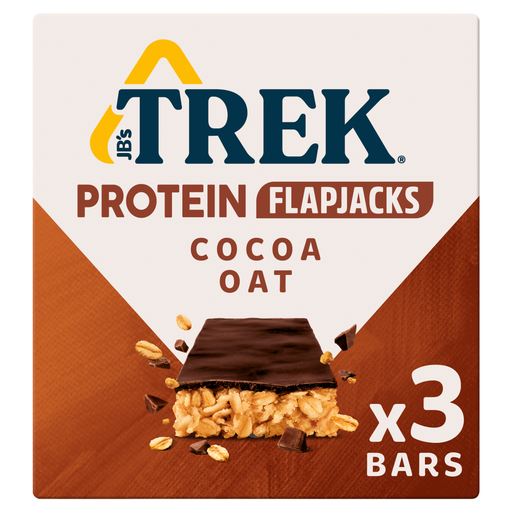
TREK Cocoa Oat Protein Flapjacks, 3 x 50g
For a vegan and gluten-free snack requirement, TREK declares 9g plant protein per 50g Cocoa Oat bar. It contains soya and may contain peanuts, nuts and milk; the brand also declares 14g sugars per bar. Check the wrapper and school policy before packing it.
View on Joybuy
 No image available
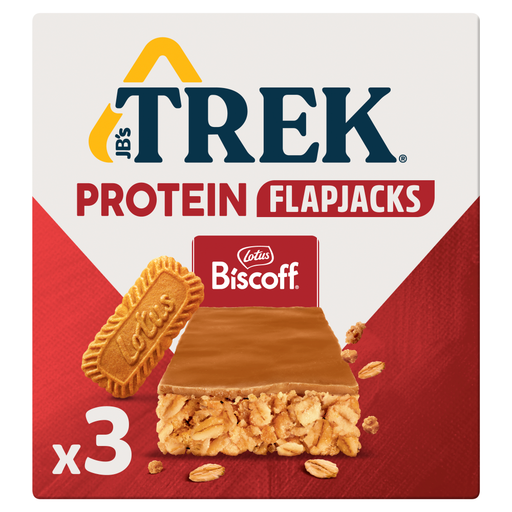
TREK Biscoff Flapjack, 3 x 50g
This Biscoff-flavoured 50g flapjack offers a different flavour within the school-bag snack options. It contains wheat and soya and may contain peanuts, nuts and milk. Read its own wrapper for the full allergen statement and per-bar nutrition.
View on Joybuy
Questions before you pack a bar
Can I pack a nut-based protein bar for school?
Check the individual school’s allergy policy before packing one. The Department for Education says schools in England must publish arrangements to reduce contact with known allergens; that guidance does not mean every school has the same nut policy. The bar must also suit the eater’s own allergy requirements.
Which named bar is both vegan and gluten-free?
TREK declares its Cocoa Oat Protein Flapjack vegan and gluten-free, with 9g plant protein per 50g bar. It contains soya and may contain peanuts, nuts and milk, so check those statements against the eater’s requirements and the school’s policy.
Should I use the website or the wrapper for allergen details?
Use the current wrapper for the final ingredient and allergen check before a bar is eaten or packed. Product information can change, and an online description should not replace the statement on the particular pack you have.


