Calorie-aware snackers who want protein
If you plan snacks as part of a calorie-controlled day, look at protein alongside the calories, sugars and size of the bar you will eat.


For weight management, compare a snack bar’s protein, calories, sugars and fibre per bar rather than choosing by its protein claim alone. Nature Valley UK lists 7g protein and 167 kcal for its 36g Protein + Fibre Coconut & Almond bar, while Tesco lists 10.4g protein and 198 kcal for a 40g Eat Natural Peanuts, Almonds & Salted Caramel bar. The NHS advises choosing an overall eating pattern that helps reduce calories and fits everyday life, so the bar’s portion matters alongside the rest of the day’s food.
If you plan snacks as part of a calorie-controlled day, look at protein alongside the calories, sugars and size of the bar you will eat.
If you want a vegan, gluten-free or dairy-free bar, check the exact flavour and pack. Those descriptions do not tell you whether it contains nuts, soya or other allergens.
Read the current ingredient and allergen declaration before choosing. A protein figure or gluten-free statement cannot establish suitability for a different allergy.
Start with the portion you expect to eat, then compare its nutrition and ingredients with bars of a similar or different size.
| Priority | What to check | Your needs |
|---|---|---|
| Protein per bar | Read the grams per ready-to-eat bar and its weight; use the per-100g figure when comparing different sizes. Check the exact flavour. | I want to know how much protein my actual snack contributes, rather than judging it by the name of the range. |
| Calories and sugars | Compare calories and total sugars for one bar, not just the pack or per-100g figures. Read a no-added-sugar statement separately from total sugars. | There needs to be room for this snack in the rest of my day, so its portion and sugar figure matter as well as protein. |
| Fibre | Check grams of fibre per bar alongside protein, calories and sugars. Do not treat one favourable figure as a summary of the whole label. | If two bars meet my protein needs, I also want to compare their fibre without overlooking what else each bar contains. |
| Ingredients and allergens | Read the current ingredient list, declared allergens and any ‘may contain’ statement. Confirm dietary descriptions for the specific product. | My bar must fit my dietary requirements; a vegan or gluten-free description alone does not answer every allergen question. |
Protein, calories and sugars are separate figures. In its November 2025 review of 458 snack bars from 10 major retailers, Action on Salt & Sugar classified 37% as high in sugars; that finding describes the reviewed bars, not every protein bar.
Compare the nutrition for the exact bar and portion before deciding how it fits into your day.
Tesco lists 13g sugars per 45g nākd. Protein Cocoa Hazelnut bar and describes the sugars as naturally occurring.
Read the total sugars figure as well as any no-added-sugar wording.
A gluten-free description does not establish whether a bar contains peanuts, other nuts, soya or milk.
Check the current pack’s ingredient and allergen information for the precise flavour you intend to eat.
A protein figure alone does not tell you whether a bar meets the nutritional role you expect from a meal.
If you intend to use a bar instead of a meal, check the specific product’s intended use and full nutrition information rather than relying on snack-bar marketing.
Compare individual flavours and portions within a range; a brand name does not establish the nutrition or allergen profile of every bar it makes.
Its UK range includes Protein bars and smaller Protein + Fibre bars.
A nut-and-fruit bar range with protein-bar flavours; compare each recipe rather than applying one flavour’s figures to the range.
TREK describes separate plant-based Protein Flapjack and High Protein ranges.
A fruit-and-nut bar option for shoppers comparing plant-based protein snacks.
Graze makes oat-based snack bars as well as other snacks; compare a specific bar’s label if protein is your priority.
Alpen’s cited UK product range centres on muesli, a different format from the snack bars considered here.
These Nature Valley and Grenade protein-bar packs are options to compare by the nutrition and ingredients of one bar, particularly if portion size and allergens affect your choice.
 No image available
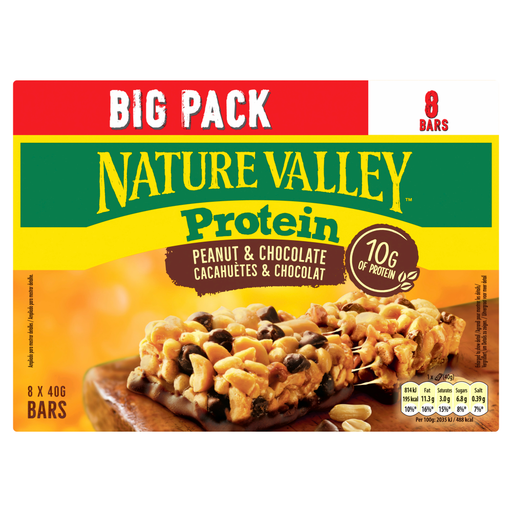
If you want a 40g protein-bar portion, compare the current pack’s per-bar protein, calories, sugars and fibre with your other snack options. Read its allergen declaration before choosing.
 No image available
The 40g bar size lets you compare one serving with other bars, rather than comparing whole packs. Check the current nutrition and allergen information for this Peanut & Chocolate variant.
 No image available
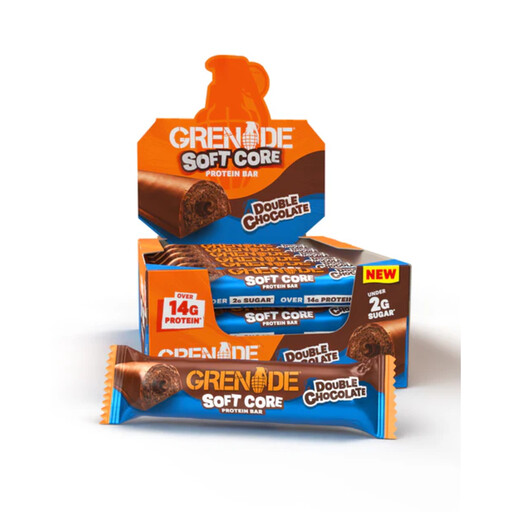
For a 50g bar, use the per-bar nutrition panel when comparing it with the smaller Nature Valley portions. Check the ingredient and allergen list for this Double Chocolate variant.
 No image available
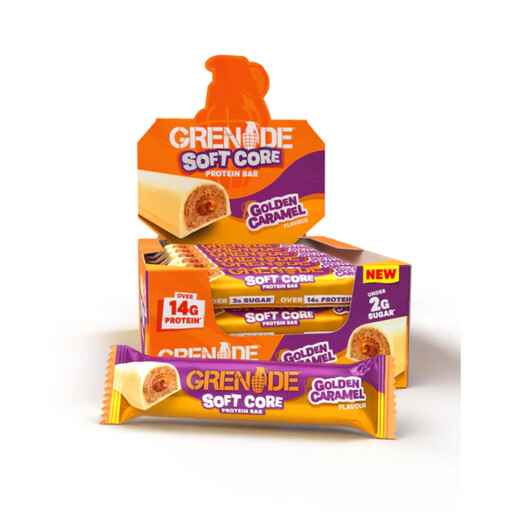
Compare protein, calories, total sugars and fibre for one 50g Golden Caramel bar, not the twelve-bar pack. Confirm its ingredients against any dietary restrictions.
 No image available
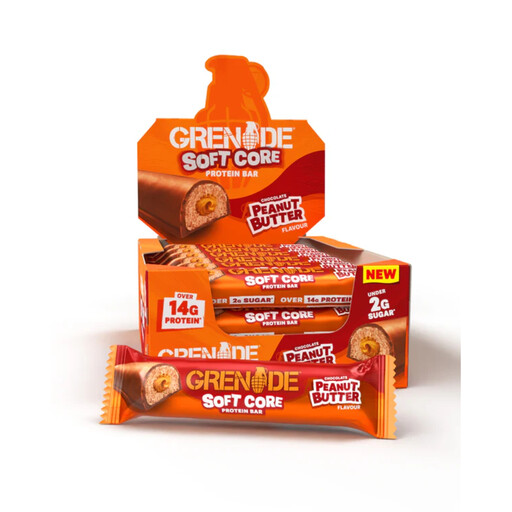
If you prefer the Peanut Butter variant, compare its own per-bar nutrition with the other 50g flavours; do not assume their figures are identical. Check the current allergen declaration, particularly if peanuts are a concern.
No: a protein claim does not tell you the bar’s calories, sugars or portion size. Compare those figures alongside protein and fibre. The NHS advises choosing an overall way of eating that helps reduce calories and fits everyday life.
Use both: the per-bar figures show what your chosen portion contains, while per-100g figures help compare bars of different sizes on the same weight basis. For a planned snack, check the protein, calories, sugars and fibre in the bar you will eat.
Yes. Those descriptions address particular ingredients, not every allergen; bars may contain nuts or soya, for example. Read the current ingredient list, allergen declaration and any ‘may contain’ statement for the exact bar before eating it.