Home workers fitting food around meetings
An individually portioned bar can be a lunch addition when time is short. Compare the whole bar’s nutrition panel rather than relying on the word “protein” on the front.


For a working-from-home lunch add-on, compare protein per whole bar, then check fibre, sugars, energy and allergens on the pack. Nature Valley UK lists around 10g protein in its 40g Salted Caramel Nut bar, while Myprotein lists 10.2g in the larger 50g Trek Original Oat flapjack; neither figure makes a bar a complete lunch. If vegan, gluten-free and dairy-free labelling matters, Tesco lists 7.6g protein in a 45g nākd. Peanut Butter Protein bar, which contains peanuts.
An individually portioned bar can be a lunch addition when time is short. Compare the whole bar’s nutrition panel rather than relying on the word “protein” on the front.
Vegan, gluten-free and dairy-free describe different product requirements. Check the exact bar’s ingredients and allergen statement, particularly when nuts, soya or milk matter to you.
If you eat a bar regularly during the working week, compare fibre, sugars, saturated fat and energy per bar alongside protein.
Start with the amount in the bar you would actually eat, then check its ingredients and how it fits alongside the rest of lunch.
| Priority | What to check | Your needs |
|---|---|---|
| Protein per bar | Read protein per whole bar and its serving weight. The named examples use 36g, 40g, 45g and 50g portions. | I want to know what one bar provides, not compare differently sized bars by a front-of-pack claim alone. |
| Other nutrition | Compare fibre, sugars, saturated fat and energy per bar. Read any per-100g figures alongside the serving figures. | If a bar is a regular lunch addition, I want to compare the full panel rather than choose by its protein figure alone. |
| Ingredients and allergens | Check dietary wording, the ingredient list and any may-contain statement on the exact pack. Vegan or gluten-free wording does not answer every allergen question. | Peanuts, other nuts, soya, milk, wheat or barley could change which bar I choose. |
| Place in lunch | Check portion size and energy, and consider what other foods make up the meal. NHS guidance describes dietary balance across a day or week. | I may need something convenient between meetings, but I do not want a protein claim to stand in for the rest of lunch. |
A protein figure does not describe the variety of foods in a meal. NHS guidance considers balance across the day or week.
Treat the bar as a snack or lunch component and consider what else you are eating.
Bars of different weights provide different amounts in the portion you eat, even when their per-100g figures look similar.
Compare the whole-bar figures first; use per-100g values as an additional way to read the labels.
Vegan, gluten-free and vegetarian wording address different requirements. The named bars also have differing ingredient and possible-trace statements.
Read the current pack’s ingredients and allergen statement for the specific flavour and variant.
A protein or fibre claim does not tell you the rest of the nutrition panel. Action on Sugar’s 2025 report found that 37% of snack bars sold in supermarkets would be high in sugars.
Compare sugars and saturated fat per bar alongside protein before choosing a repeat purchase.
Nutrition and dietary wording vary by product and flavour, so use these examples to identify which exact labels to compare.
Its Protein and Protein + Fibre bars offer different per-bar protein and fibre figures.
Its Protein Flapjacks provide a larger bar format for shoppers comparing plant-based options.
The Peanut Butter Protein bar is a fruit-and-nut option labelled vegan, gluten-free and dairy-free in Tesco’s listing.
Its oat-based bars are worth comparing by their individual nutrition panels rather than by a brand-wide protein assumption.
Check whether you are looking at a Protein bar or a standard cereal bar before comparing figures.
These Nature Valley bars, Trek flapjacks and Grenade bar are options for a working-from-home lunch addition. Compare the exact pack’s nutrition and allergen information for the choice that matters to you.
 No image available
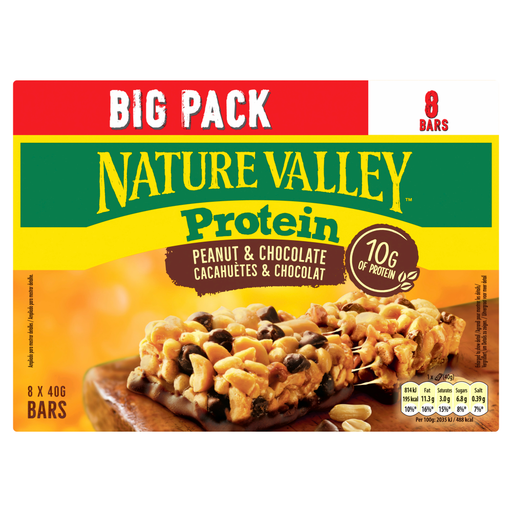
A portioned lunch add-on when you want to compare around 10g protein per bar. Nature Valley UK describes the 40g bar as providing around 10g protein and around 4g fibre; check the pack if peanuts, almonds, soya or milk affect your choice.
 No image available
This peanut-and-chocolate option comes as eight 40g bars for portioned snacks alongside lunch. Check the exact pack’s protein figure and its peanut, soya, milk and possible tree-nut information before choosing it.
 No image available
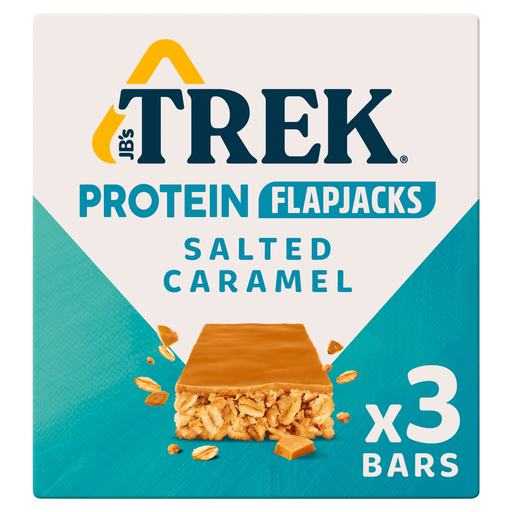
Consider this 50g flapjack format if you prefer an oat-based lunch snack. For vegan or gluten-free requirements, check this flavour’s current pack, including its soya and possible-trace information.
 No image available
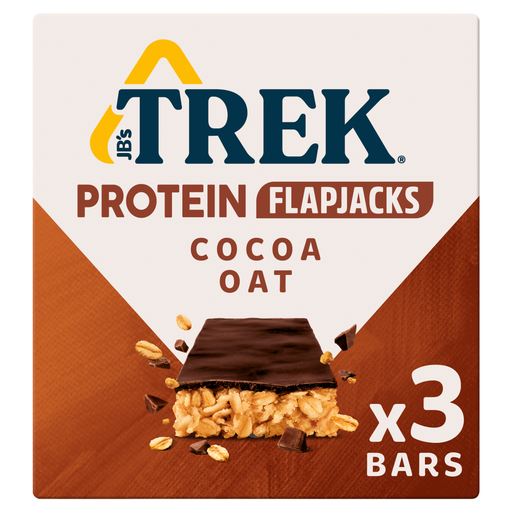
This cocoa-and-oat variant offers another three-pack of 50g flapjacks for a lunch addition. Compare its per-bar sugars and protein with other flavours, and check the pack for soya and any other relevant allergens.
 No image available
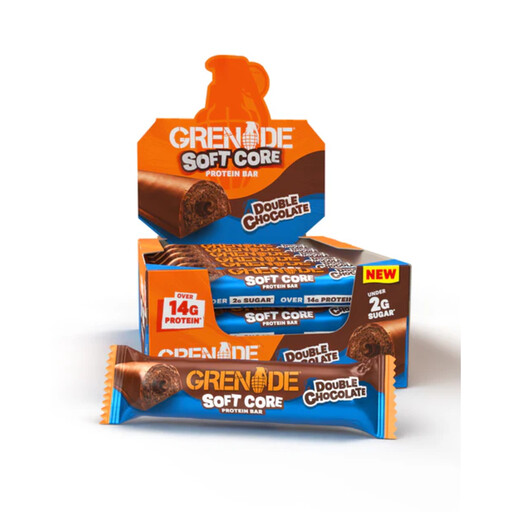
This double-chocolate option comes as twelve 50g bars. Compare its per-bar nutrition panel with the other formats, and check the ingredients if milk, soya, gluten or polyols affect your choice.
Do not assume a protein bar is a complete lunch. NHS guidance recommends variety across food groups over a day or week, so consider the bar alongside the other foods in your meal.
Start with protein, fibre, sugars, saturated fat, salt and energy per whole bar. Serving weights differ among the named products, so check the portion figure before using per-100g values to compare them.
No. Check the exact product’s ingredients, highlighted allergens and any may-contain statement. Dietary wording for one requirement does not establish suitability for another.
No. Read the sugars figure on the full nutrition panel. Action on Sugar’s 2025 report found that 37% of snack bars sold in supermarkets would be high in sugars, so a front-of-pack claim cannot settle that comparison for an individual bar.