
24/7 Customer Support

Free returns

Same-day & Next-day Delivery

Quality Guaranteed

Unlock Your Welcome Offers: FREE Delivery | Up to 80% OFF | Free 30-day JoyPlus trial
Download the APP
Navigating the world of high protein snacks can feel like a full-time job. Shelves are packed with bars, bites and jerky, all promising to fuel your day and support your fitness goals. Yet, many of these so-called healthy snacks are not what they seem. As a Joybuy Product Recommendation Officer, my role is to help you see past the clever marketing and make choices that genuinely benefit your lifestyle and wallet.
Many of us have been caught out by snacks that promise high performance but deliver little more than a sugar crash. Before you make your next purchase, let's look at two common pitfalls that UK consumers often encounter.
The "Healthy" Sugar Trap: A "high protein" label on the front doesn't tell the whole story. It's common to find protein bars containing as much sugar as a standard confectionary bar. This is often masked by complex ingredient lists or the use of high-sugar fruit pastes and syrups. Similarly, many low sugar snacks rely heavily on sugar alcohols (polyols) like maltitol, which can cause digestive discomfort for many people when consumed in excess.
The Empty Calorie Pitfall: Not all protein is created equal, and not all calories are functional. Some snacks achieve a high protein count but at the cost of a very high calorie density, often from fillers and fats. The key is to find a snack where the protein content is meaningful relative to its total calories. A 400-calorie bar might offer 20g of protein, but it may not be the most efficient choice for a light, on-the-go snack.
To avoid these traps, you don't need a degree in nutrition. You just need to know what to look for. Focus on these two practical parameters to quickly assess any high protein snack.
This is a simple check to see if you're getting a worthwhile amount of protein for the energy you're consuming. A good benchmark for a functional snack is to look for at least 10 grams of protein for every 150 calories. This ratio helps ensure the product is designed primarily for protein delivery, rather than being a calorie-dense treat with some protein added as an afterthought. This is especially important when selecting post-workout snacks where efficient muscle repair is the goal.
Always check the "Carbohydrates (of which sugars)" line in the nutritional information. A truly effective low sugar snack will typically have under 5 grams of sugar per serving. Be mindful of the ingredients list as well. Natural sources like fruit are one thing, but high amounts of glucose syrup, honey or agave should be a red flag if you're trying to manage sugar intake. If you see sugar alcohols like maltitol, xylitol or sorbitol high on the list, be aware of their potential for digestive side effects.
Based on these practical criteria, here are a few recommendations tailored to different needs and lifestyles across the UK.
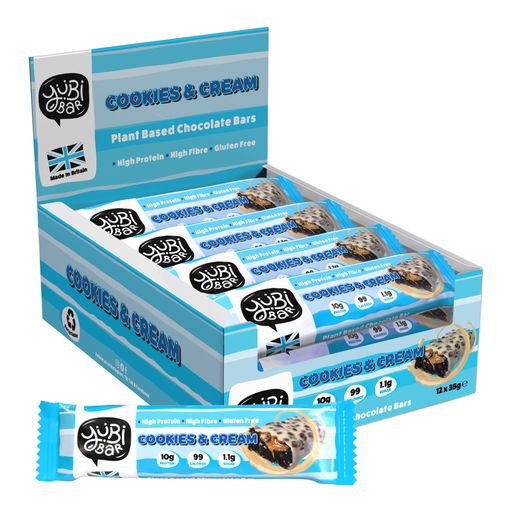
Why This Fits Their Persona: For those new to protein snacks or seeking an affordable daily option, this bar delivers a solid nutritional profile without a premium price tag. It's a straightforward, plant-based option for a quick protein top-up during a busy workday or commute.
It directly counters the calorie pitfall. At just 99 calories, it provides 10g of protein—an excellent ratio. With only 1.1g of sugar, it also avoids the hidden sugar trap common in affordable bars.
Plant-based and gluten-free, making it accessible for various dietary needs. It is also HFSS compliant, aligning with current UK health standards for a guilt-free snack.
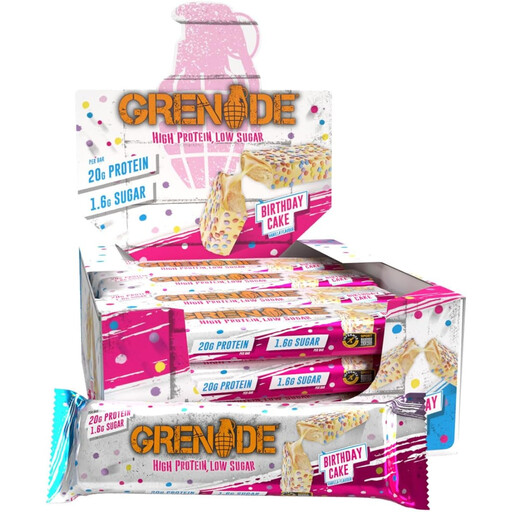
Why This Fits Their Persona: For the gym-goer or athlete who needs a substantial protein hit for muscle recovery, this bar is built for performance. It's a popular choice in the UK fitness community for its high protein content and indulgent taste that doesn't compromise on nutritional goals.
While offering a dessert-like flavour, it contains only 1.6g of sugar per 60g bar, skillfully avoiding the sugar trap. The 21g of protein provides a powerful dose, making the calorie count functional for recovery.
Features a multi-source protein blend (calcium caseinate, whey protein) for phased absorption, which is ideal for post-workout muscle repair. The layered texture also makes it more satisfying to eat than many dense, chewy bars.
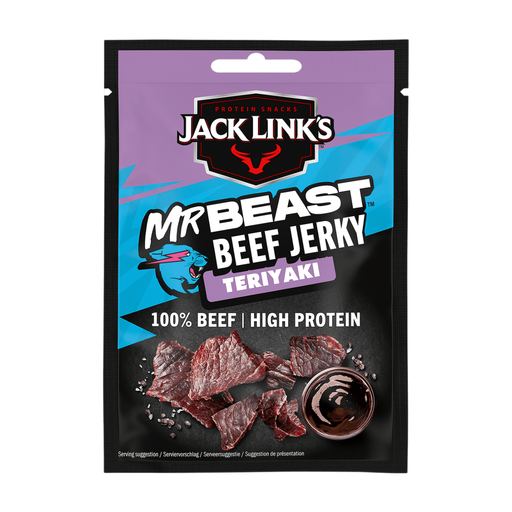
Why This Fits Their Persona: Perfect for the busy professional, hiker or anyone tired of sweet protein bars. This provides a satisfying, savoury and chewy alternative that's easy to pack for the office or a weekend walk. It's a classic choice for a reason in the beef jerky UK market.
As a meat-based snack, it naturally avoids the issues of excessive sugar alcohols. It offers a very high protein-to-calorie ratio (8.8g of protein for 67 calories), making it an extremely efficient protein source.
Made from whole food (premium beef), which many people prefer over highly processed bars. It requires no refrigeration, making it a truly convenient, portable and durable on-the-go snack.
We have compiled a complete, real-time list of products that fully satisfy these strict selection criteria and UK safety regulations.
When chosen carefully, yes. A good high protein snack can help you feel full for longer, support muscle repair after exercise and provide a steady source of energy. The key is to select products that are low in sugar and free from excessive fillers or unhealthy fats. Always read the nutritional label to ensure it aligns with your personal health goals.
This depends on your objective. For a post-workout snack, consuming a protein bar within 30-60 minutes of finishing your exercise can help with muscle recovery. As a general healthy snack, they are useful between meals to manage hunger and prevent you from reaching for less nutritious options. They can also be a convenient breakfast replacement when you're short on time.
Protein bars are not a direct weight-loss tool, but they can be a helpful part of a weight management plan. Protein is more satiating than carbohydrates or fats, meaning it can help you feel fuller for longer, potentially reducing your overall calorie intake. However, you must still be mindful of the total calories in the bar. Opting for low sugar snacks with a good protein-to-calorie ratio is crucial. They should be used to replace less healthy snacks, not as an addition to your existing diet.