
24/7 Customer Support

Free returns

Same-day & Next-day Delivery

Quality Guaranteed

Unlock Your Welcome Offers: FREE Delivery | Up to 80% OFF | Free 30-day JoyPlus trial
Download the APP
Finding suitable high protein snacks can make busy working days, gym sessions and travel easier. However, a brightly packaged protein bar is not automatically a sensible purchase. The useful comparison is between the nutrition panel, serving size, ingredients, allergens and the way you actually intend to eat it.
A product may advertise an impressive protein figure per 100g, even though the actual bar weighs 35g or 40g. Always compare protein per serving and consider the serving’s calorie content.
For example, a 60g protein bar may provide around 20g of protein, while a smaller plant-based bar may provide 10g but contain fewer calories. Neither is automatically right or wrong; the useful choice depends on your daily requirements and appetite.
Many low sugar protein bars use polyols, such as maltitol, to create a sweet taste. The nutrition panel may show low sugar while total carbohydrate remains considerably higher. Polyols can also cause digestive discomfort for some people when eaten in large amounts.
If you are comparing low sugar protein bars or low carb protein snacks, check:
This gives a clearer picture than the front-of-pack wording alone.
Protein bars are usually snacks, not nutritionally complete meals. A meal replacement bar may contain added vitamins and minerals, but it should still be used according to the pack instructions. Check the serving guidance, energy content and whether it is intended to replace a meal or simply supplement your diet.
For practical comparison, look at the amount of protein in one serving. The products below range from 10g to more than 20g per portion, offering options for light snacking, post-workout snacks and higher-protein diets.
Also check the protein sources. Milk proteins, whey, casein, soya, pea and other plant proteins suit different dietary preferences. A vegetarian product is not necessarily vegan, and a product containing milk or collagen is not suitable for a vegan diet.
A dessert-style product can still fit within a calorie-controlled routine when the serving is measured correctly. Applied Nutrition Protein Nutrition Cookie Dough, for example, lists approximately 147 calories, 21.7g protein and 4.1g sugar per 40g serving. It is prepared with cold water and is intended as a snack or dessert rather than a complete meal.
For bars, compare the whole serving rather than relying on “high protein” wording. Some 60g bars provide around 20–21g protein but also contain 200 or more calories. That may be suitable after training or when replacing a less nutritious confectionery snack, but less suitable if you are looking for a small snack between meals.
Read the full ingredient list every time, particularly if you have allergies or intolerances. Common ingredients across this category include milk, soya, peanuts, almonds, wheat and gluten. Some products may also contain collagen or traces of other allergens.
Sugar alcohols, including maltitol and xylitol, may have a laxative effect when consumed excessively. Keep bars in their original wrappers, store them according to the label and check the best-before information before ordering larger multipacks.
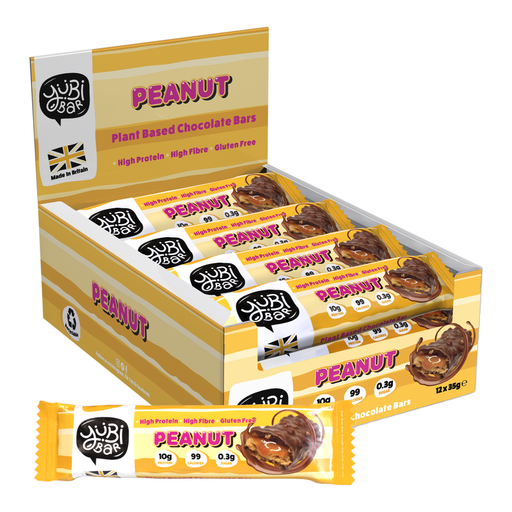
Why This Fits Their Persona: A compact 35g bar provides 10g of protein and 99 calories, making it a manageable starting point for office drawers, commuting or lighter between-meal snacking.
The 35g serving makes portion size clear, while the label lists 0.5g sugar and 1.3g carbohydrate per bar. It still contains soya and sweeteners, so the allergen panel matters.
Plant-based protein blend; 12 individually wrapped bars; gluten-free and dairy-free information is provided on the product listing.
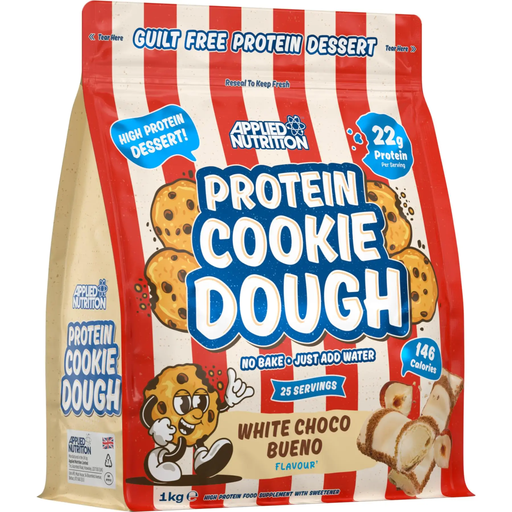
Why This Fits Their Persona: Suitable for shoppers who want a dessert-style option at home, including a pre-bed treat or topping that requires preparation rather than a wrapper.
The listed serving is 40g, with nutrition shown per prepared portion. Measuring the powder avoids turning a low-calorie claim into an oversized serving.
Approximately 21.7g protein and 147 calories per serving; vegetarian and Halal certified according to the listing.
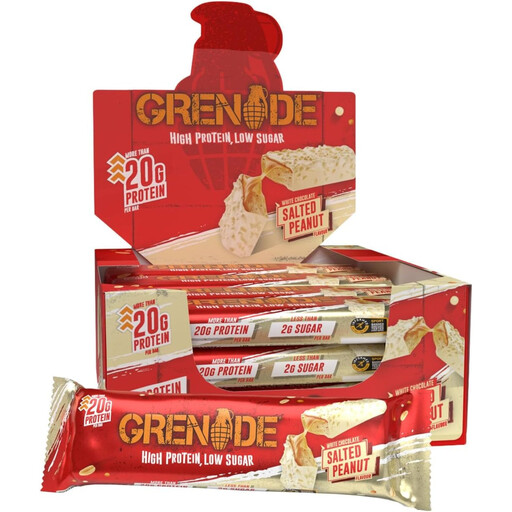
Why This Fits Their Persona: A 12-pack suits regular gym users, active commuters and shoppers who want individually wrapped post-workout snacks ready for a bag or desk.
The label separates sugar from polyols: one 60g bar lists 20g protein, 2g sugar and 17g polyols. This makes the low-sugar positioning easier to assess accurately.
20g protein per bar; ready to eat; white chocolate and salted peanut flavour. Contains milk, soya and peanuts.

Why This Fits Their Persona: Ready-to-eat bars can suit commuters, travellers and workers who occasionally need a more substantial planned snack when a conventional meal is inconvenient.
It is clearly presented as a meal support product, with usage guidance and a nutrition panel showing 202 calories and 16g protein per 60g bar.
Includes listed vitamins and minerals, fibre and prebiotic ingredients; ready to eat without mixing or refrigeration.
We have compiled a complete, real-time list of products that fully satisfy these strict selection criteria and UK safety regulations.
They can be convenient post-workout snacks, particularly when a full meal is not immediately available. Check the protein and calorie content, then consider the bar as part of your overall diet rather than as a replacement for varied meals.
Not automatically. Check for milk, whey, collagen, honey and other animal-derived ingredients. Plant-based bars may also contain soya, oats or nuts, so read the allergen information carefully. YuBi Bars list a plant protein blend, but the product warning still highlights several allergens.
Most sealed protein bars and dry snack products can be stored in a cool, dry place according to the packaging. Protein cookie dough products should be prepared and stored exactly as directed. Heat may affect chocolate coatings and texture, while opened products should generally be consumed promptly. Always follow the current label because formulations, storage advice and shelf life can change.