
24/7 Customer Support

Free returns

Same-day & Next-day Delivery

Quality Guaranteed

Unlock Your Welcome Offers: FREE Delivery | Up to 80% OFF | Free 30-day JoyPlus trial
Download the APP
Finding convenient high-protein snacks can make busy workdays, gym sessions and travel easier. However, a product labelled “protein-packed” is not automatically suitable for your nutrition goals. Some bars contain more sugar than expected, while savoury snacks can be high in salt or fat.
This guide explains the figures and ingredients worth checking before you buy, followed by practical recommendations for different UK lifestyles.
A label may promote protein per 100g, even when the actual bar is much smaller. For example, 20g of protein per 100g may sound substantial, but a 35g serving would provide only 7g.
Always compare:
For active adults, a larger bar offering around 20g of protein may be more convenient after training. Smaller bars can work better as light snacks between meals.
A product can contain little sugar but still provide considerable carbohydrate from starches, syrups or sweeteners. This matters when shopping for low-carb snacks or following a controlled-carbohydrate eating plan.
In the UK, “low sugar” is a regulated nutrition claim generally associated with no more than 5g of sugars per 100g for solid foods. It does not mean sugar-free, calorie-free or suitable for every diet. Check the full carbohydrate, sugar and polyol figures rather than relying on the front of the wrapper.
Savoury protein snacks such as beef jerky, air-dried ham and pork crackling can provide useful protein but may also contain notable salt. Bars commonly contain milk, soya, peanuts, almonds, wheat or collagen.
Polyols such as maltitol and xylitol are used in many low-sugar protein bars. Larger quantities may cause digestive discomfort for some people, so read the serving guidance and do not assume that a low-sugar bar can be eaten without limits.
For a product to make a meaningful contribution to your daily intake, check the actual gram figure per serving. The UK nutrition declaration normally lists values per 100g and may also show per bar. The legally recognised “high protein” claim is linked to protein providing at least 20% of the food’s energy, but the practical choice still depends on your overall diet and portion size.
For low-sugar protein snacks, compare sugars per bar, not just per 100g. Also check total carbohydrate and fibre. A bar with 1–3g of sugar may contain polyols or other carbohydrate sources, while a nut-based bar may provide more fat and fibre alongside its protein.
Ingredients are listed by weight, so the first few items show what makes up most of the product. Look for the protein sources that suit you, such as:
If you need vegan protein bars, confirm that the product is labelled suitable for vegans rather than assuming “plant-based” means free from all animal-derived ingredients. Always recheck the packaging before eating, as formulations can change.
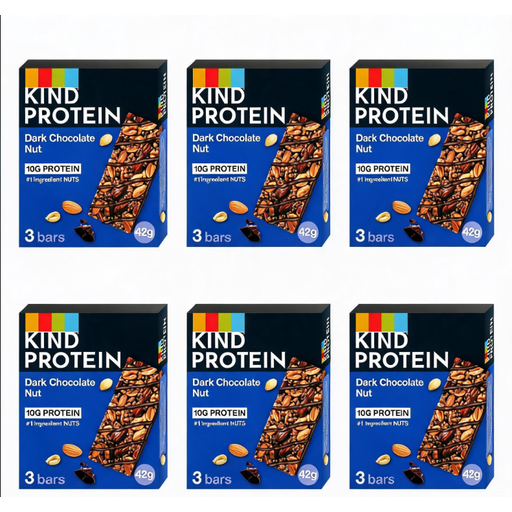
Why This Fits Their Persona: The 18-bar multipack suits commuters, gym beginners and office workers who want a ready supply of individually portioned snacks.
The listed nutrition provides 10g of protein and 7.2g of sugar per 42g bar, making the serving figures clear rather than relying only on front-of-pack wording.
Whole peanuts and almonds provide crunch; the bars are gluten-free and suitable for vegetarians. Contains peanuts, almonds and soya.
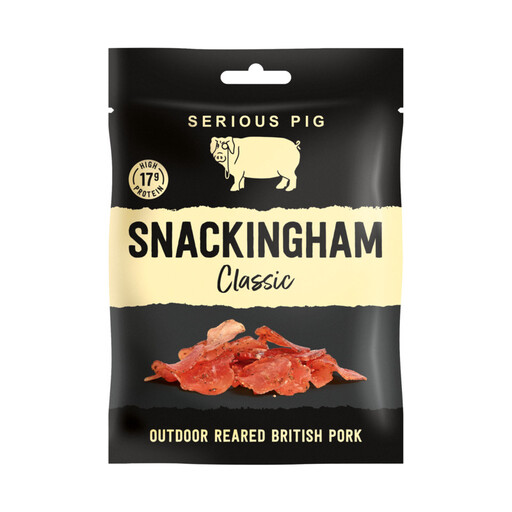
Why This Fits Their Persona: This British-made savoury option suits shoppers who prefer meat-based snacks over sweet protein bars.
Its nutrition panel shows 27g protein, 1.6g carbohydrate and 5.0g salt per 100g, so salt is easy to factor into your day.
Ready to eat, made with 96% British pork and seasoned with garlic, caraway seeds and white pepper.
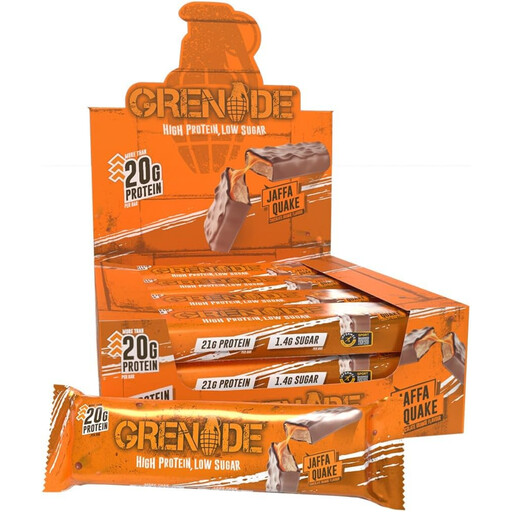
Why This Fits Their Persona: The 12-bar box works for regular gym-goers who want consistent post-workout snacks at home, work or in a gym bag.
The listed figures are 21g protein and 1.4g sugar per 60g bar. It also declares 18g polyols, which helps buyers plan portions realistically.
Provides a chocolate-and-orange flavour profile, individual packaging and a milk-and-soya protein blend.
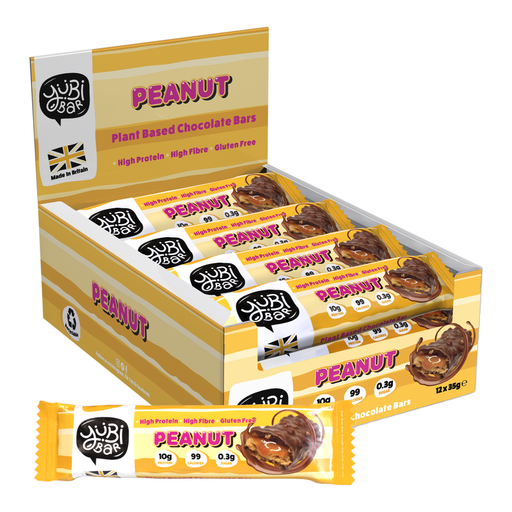
Why This Fits Their Persona: A compact choice for adults seeking vegan, dairy-free and gluten-free-friendly plant-based protein snacks.
The pack lists 10g protein and 0.5g sugar per 35g bar, rather than presenting only per-100g figures.
Pea and soya proteins provide the plant-based blend; each bar contains 99 kcal and 2.5g fibre. Contains soya and oats.
We have compiled a complete, real-time list of products that fully satisfy these strict selection criteria and UK safety regulations.
They can be a convenient way to add protein after exercise, but timing and portion size depend on your overall meals and training routine. A bar or savoury snack should complement a varied diet rather than replace regular meals.
Not necessarily. Check total carbohydrate, fibre and polyols as well as sugars. A low-sugar bar may still contain substantial carbohydrate from other ingredients.
Follow the storage instructions on the packaging. Most bars can be kept in a cool, dry place, while opened air-dried meat may need refrigeration and prompt consumption. Always follow the product’s best-before and opened-pack guidance.