Protein-focused afternoon snackers
If protein is the reason for your purchase, the grams in one tea-break portion matter more than the snack’s tortilla-style shape.


If protein is your reason for choosing a tea-break snack, compare the amount in the portion you expect to eat, not just the claim on the front of the bag. Listings from Waitrose & Partners and Marks & Spencer put four checked protein-led snacks at 21g–30g protein per 100g, against 5.3g per 100g for the regular Sainsbury’s tortilla chips checked here. Regular chips remain an option when a conventional maize chip for dipping matters more; whichever route you choose, check the portion’s nutrition information and the current allergen label.
If protein is the reason for your purchase, the grams in one tea-break portion matter more than the snack’s tortilla-style shape.
A single bag and a sharing bag can show different serving sizes. Compare what you intend to eat alongside the energy, fat and salt shown for that amount.
Some of the checked pulse- and soya-based snacks carry soya, milk or sesame-related information. Check the label for the exact product and flavour before choosing.
Start with protein on a common per-100g basis, then return to the portion you would actually have with tea. Check the other nutrition figures and ingredients before deciding whether a protein-led snack fits.
| Priority | What to check | Your needs |
|---|---|---|
| Protein in your portion | Compare protein per 100g, then the amount in your intended serving. Waitrose & Partners lists 10g in a 48g Doritos Protein bag and 6.6g in a 30g serving of its own-label popped tortillas. | I want to know how much protein my actual tea-break portion provides, rather than judging bags of different sizes by a front-of-pack claim. |
| Other nutrition details | Read energy, fat and salt for the portion you plan to eat, using per-100g figures when comparing products. Check the fibre declaration if it matters to your choice. | Protein is one consideration, but I also want to see the other figures for the amount I would eat. |
| Ingredients and allergens | Check the current ingredients, highlighted allergens and any “may contain” or suitability statement for the exact flavour. The checked protein-led snacks include soya-containing products and products with sesame-related warnings. | Before switching from plain maize chips to a pulse-based snack, I need to check whether its ingredients and allergen warnings work for me. |
The regular Sainsbury’s tortilla chips checked here list 5.3g protein per 100g; four protein-led products listed by Waitrose & Partners and Marks & Spencer show 21g–30g per 100g.
If protein drives the purchase, compare the declared grams per 100g and in the portion you expect to eat.
Waitrose & Partners lists 10g protein in the 48g Doritos Protein bag, while its own-label popped tortillas list 6.6g in a 30g serving. Those figures describe different amounts of food.
Use per-100g figures for a common comparison, then check the serving or full-bag figure that matches your plans.
The checked protein-led products include soya-containing options. The Curators Tangy Cheese product also contains milk and whey, while the M&S red-lentil product carries soya and sesame allergy warnings.
Read the current pack for the exact product and flavour, including its ingredients and suitability statements.
A protein figure does not describe the rest of a snack’s nutrition. For example, the checked Waitrose popped tortillas list 1.03g salt per 100g, while the checked M&S red-lentil tortillas list 0.75g per 100g, according to their retailer product information.
Compare energy, fat and salt alongside protein, using the portion you are likely to eat.
These examples describe particular products, not every snack sold under each name.
The Tangy Cheese Protein Chips are a protein-led option for comparing protein per 100g and per pack.
Its checked Smoked Paprika Popped Red Lentil Tortillas offer a lentil-based tortilla-style option.
Its checked High Protein Paprika Popped Tortillas come in an 80g bag with a stated 30g serving.
The checked Protein Sizzling Steak product is a single 48g bag rather than a sharing-size pack.
Its checked regular tortilla chips provide a maize-chip reference for shoppers who want a conventional dipping snack.
These Joybuy options are lentil- and chickpea-based crisps for a savoury tea break, not the tortilla chips compared above. If protein is your main reason for shopping, compare each current pack’s nutrition panel with the tortilla-style products discussed in this article.
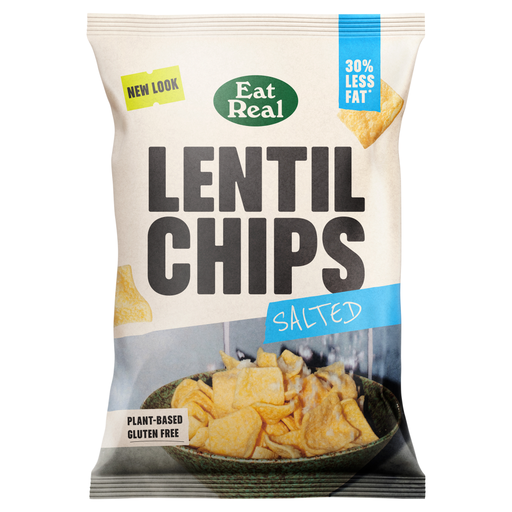 No image available
A lentil-chip alternative if you want a savoury snack alongside tea. Compare the pack’s protein and salt figures for the amount you plan to eat, and check its soya and celery allergen warning.
 No image available
A chickpea-based crisp to consider when you are comparing savoury options rather than looking only for tortilla chips. Check the protein in your intended portion and read the pack’s celery allergen warning.
Not in the checked example: Sainsbury’s lists 1.6g protein per 30g serving of its regular tortilla chips, while the protein-led products checked at Waitrose & Partners and Marks & Spencer list 21g–30g per 100g. Compare the serving you would eat before deciding.
Use per 100g to compare products on the same basis, then check the serving or full bag that matches your tea break. Waitrose & Partners lists 10g protein in a 48g Doritos Protein bag and 6.6g in a 30g serving of its own-label popped tortillas; those are not equal portions.
No. Check the nutrition panel for the exact product: the popped Waitrose paprika tortillas list 22g protein per 100g, while the popped M&S smoked-paprika red-lentil tortillas list 24.8g per 100g, according to their respective product information.
Read the current pack’s ingredients and allergen statements for the exact flavour. The checked options include products containing soya or milk and products with sesame-related warnings, so a pulse-based ingredient alone does not establish suitability.