
24/7 Customer Support

Free returns

Same-day & Next-day Delivery

Quality Guaranteed

Unlock Your Welcome Offers: FREE Delivery | Up to 80% OFF | Free 30-day JoyPlus trial
Download the APP
Navigating the world of sun protection can feel overwhelming. Shelves are packed with lotions, fluids and sprays all promising to shield your skin. Yet, many of us have been let down by a high SPF sun cream that felt more like a sticky, white mask than a daily essential. As a Joybuy Product Recommendation Officer, my role is to help you see past the marketing jargon and focus on what truly matters for effective, comfortable sun protection in the UK.
Before you make your next purchase, let's look at the common pitfalls that lead to buyer's remorse and a half-used bottle gathering dust in the bathroom cabinet.
water resistant sunscreen offers better durability, but it is not a substitute for reapplication.non-greasy sun cream that feels like a pleasure, not a chore, to apply.To choose wisely, you need to understand a few key parameters. These aren't just jargon; they are the difference between adequate protection and a poor investment.
Your sunscreen must protect against both types of harmful UV radiation.
Korean sunscreen products, you'll see a PA rating. Look for PA+++ or, ideally, PA++++ for the highest level of UVA defence, which is critical for an anti-pigmentation sun cream.Sunscreens use different types of filters to block UV rays, and the type can significantly affect the texture and suitability for your skin.
mineral sunscreen UK options are far more sophisticated, often using micronised particles or a tint for an invisible finish.daily UV fluid or SPF 50 face sunscreen designed for wear under makeup.The right formula depends entirely on your needs.
tinted moisturiser with SPF can streamline your morning routine, offering protection, hydration and light coverage in one step.Instead of a generic list, we've matched specific products to the people they're designed for.
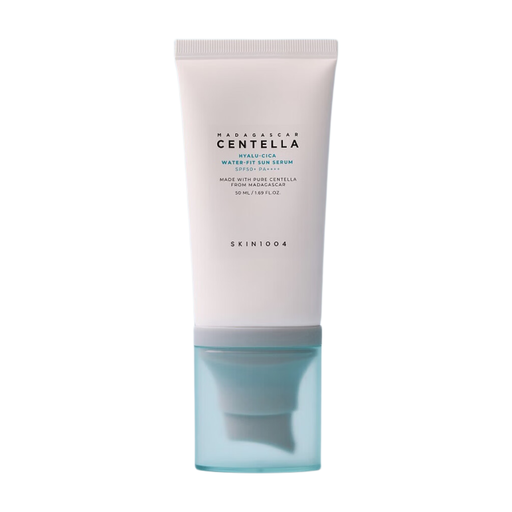
Why This Fits Their Persona: Perfect for UK city life, this Korean sunscreen feels more like a hydrating serum than a sun cream. Its weightless texture is ideal for applying every morning before a commute, sitting comfortably on sensitive skin and under makeup without pilling or feeling heavy.
It directly counters the "greasy texture trap" with an ultra-light, watery formula that absorbs instantly, leaving a dewy, invisible finish with zero white cast.
The Hyalu-Cica formula combines hyaluronic acid and centella asiatica to hydrate and soothe the skin, often allowing those with normal to oily skin to skip a separate morning moisturiser.
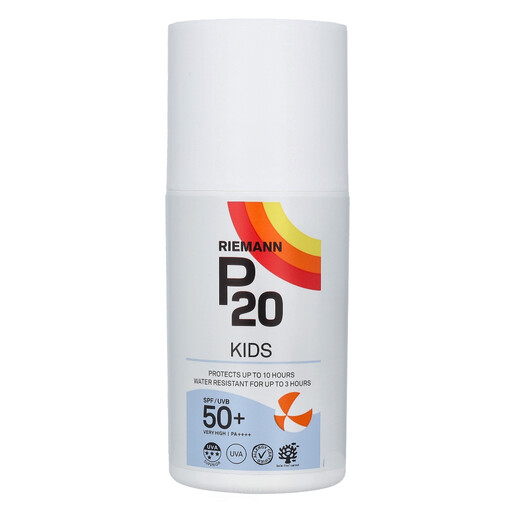
Why This Fits Their Persona: For families spending days at the park or on a beach holiday, this kids sun lotion offers robust protection. It's designed to withstand active play, providing high water resistance for up to 3 hours, giving parents peace of mind during swimming and sports.
It tackles the "once-a-day" myth head-on. While it offers long-lasting protection (up to 10 hours), the directions still correctly advise frequent reapplication after swimming or towelling, promoting safe sun habits.
Specifically developed for children's sun-sensitive skin, this formula is hypoallergenic, fragrance-free and dermatologically tested. It also provides superior UVA protection that exceeds EU requirements.
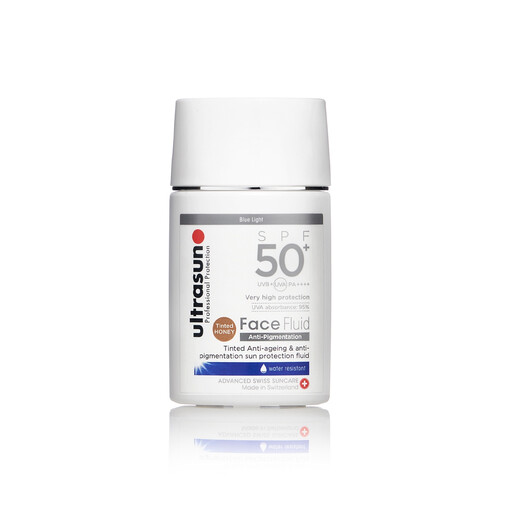
Why This Fits Their Persona: For those who want their sunscreen to do more, this product acts as a primer, moisturiser and high-protection SPF. It's specifically aimed at those concerned with sun-induced hyperpigmentation, making it a smart, multi-tasking addition to a targeted skincare routine.
It avoids the white cast issue common in high-protection formulas by incorporating an adaptive, natural tint. This provides a warm, even finish, neutralising the chalkiness of some filters.
This formula contains active ingredients that help to prevent and reduce the appearance of hyperpigmentation. According to the brand's own research, it contains Rainbow Algae which can help reduce pigmentation.
We have compiled a complete, real-time list of products that fully satisfy these strict selection criteria and UK safety regulations.
1. How much sunscreen should I actually use for my face? A common and easy-to-follow guideline is the "two-finger rule." Squeeze a line of sunscreen onto your index and middle fingers, from the base to the tip. This amount is generally sufficient to properly cover your face and neck. Applying too little will significantly reduce the level of protection stated on the bottle.
2. Can I use my body sun cream on my face? While you can, it's not always ideal. An SPF 50 face sunscreen is specifically formulated for the more delicate skin on your face. These formulas are typically lighter, non-greasy and non-comedogenic (meaning they are less likely to clog pores). Body sunscreens can be thicker and may feel too heavy or cause breakouts for some people when used on the face.
3. What is the difference between a UVA star rating and a PA rating? Both systems measure UVA protection, but they work differently. The UVA star rating (from 1 to 5 stars) is a UK/EU system that indicates the ratio of UVA protection relative to the UVB protection. A 5-star rating is excellent. The PA rating (PA+ to PA++++) is a Japanese system that measures the level of protection against UVA rays directly. Both are reliable indicators of good UVA defence, so look for high ratings in whichever system is displayed on the product.