
24/7 Customer Support

Free returns

Same-day & Next-day Delivery

Quality Guaranteed

Unlock Your Welcome Offers: FREE Delivery | Up to 80% OFF | Free 30-day JoyPlus trial
Download the APP
Living in the United Kingdom, we know that sunshine can be a rare commodity, especially between October and March. This limited sun exposure means many of us may not be producing enough Vitamin D, often called the "sunshine vitamin." It plays a crucial role in supporting the immune system, maintaining healthy bones and teeth and contributing to normal muscle function.
If you're considering a supplement to top up your levels, the number of options can be overwhelming. This guide is designed to help you navigate the choices, from different strengths to various formats, so you can find a high strength vitamin D3 supplement that fits your lifestyle and dietary needs.
Before you select a product, it's helpful to understand a few key factors. Considering these points will help you make a more informed decision.
Vitamin D strength is measured in International Units (IU). While the NHS recommends a daily 10 microgram (400 IU) supplement for most people in the UK during autumn and winter, some individuals seek higher doses for more robust support.
It is always important to follow the dosage instructions on the product label and consult a healthcare professional if you have any underlying health conditions or are unsure which strength is right for you.
The way you take your supplement can make a big difference to your daily routine.
If you follow a specific diet, checking the ingredients list is essential. Many softgels use bovine gelatin, making them unsuitable for vegetarians or vegans. The Vitamin D3 itself can also be derived from lanolin (sheep's wool). However, there are excellent plant-based vegan vitamin D3 options available, as well as products that are Halal or Kosher certified.
Here are a few standout options that cater to different needs, strengths and preferences.
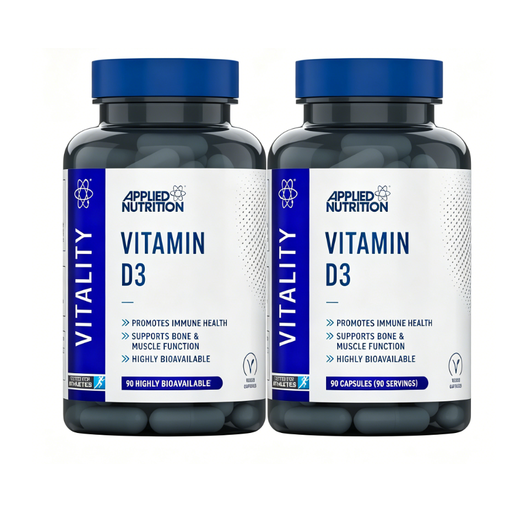
Why It Stands Out: This product offers a solid 3000 IU dose in a format that is accessible to a wide range of people with specific dietary needs. Its plant-based formulation and Halal certification make it a reliable choice for those who need to be mindful of supplement ingredients.
Pros:
Who is it for? This is an ideal choice for individuals following a vegetarian, vegan or Halal diet who are looking for a high-strength daily vitamin D3 supplement UK in a simple capsule format.
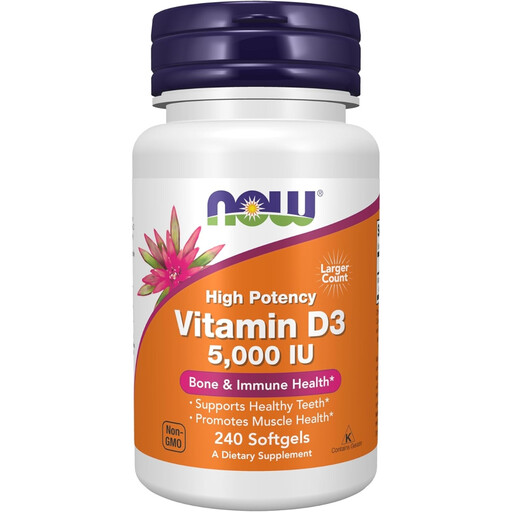
Why It Stands Out: Offering a maximum-strength dose of 5000 IU, this supplement is designed for those seeking a high-potency option. The Vitamin D3 is suspended in extra virgin olive oil within a liquid softgel, a formulation intended to support the absorption of this fat-soluble vitamin.
Pros:
Who is it for? This is a great fit for users looking for a very high-potency supplement to support their health goals. It's particularly suited to those who prefer an easy-to-swallow softgel. Note that it is not suitable for vegans or vegetarians as it contains bovine gelatin and lanolin-derived D3.
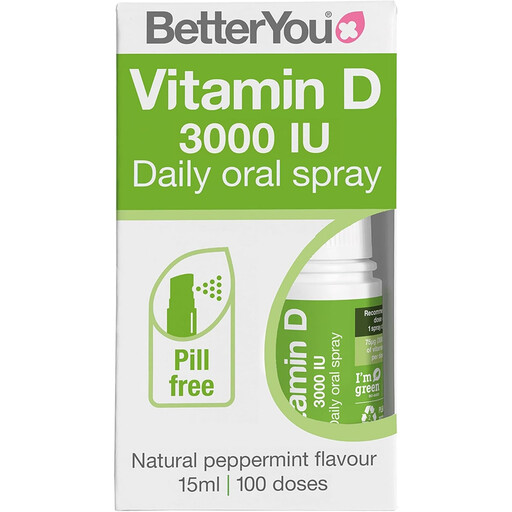
Why It Stands Out: The ultimate in convenience, this vitamin D spray delivers a 3000 IU dose with a single, pleasant-tasting spray. It bypasses the digestive system for fast absorption in the mouth and is perfect for busy lifestyles, travel or for anyone who finds swallowing pills a chore.
Pros:
Who is it for? This is an excellent choice for busy professionals, frequent travellers or anyone who dislikes capsules. It provides a simple and effective way to get your daily vitamin D for immune support, especially during the best vitamin D for winter discussions.
If you haven't found the perfect match here or want to explore other strengths and formulations, there is a wider range of products available. From different potencies to combination formulas, you can find a supplement that aligns with your specific health and wellness goals.
Explore our full collection of Immune Defence Supplements to find the right fit for you.
Vitamin D comes in two main forms: D2 (ergocalciferol) and D3 (cholecalciferol). Vitamin D2 is typically derived from plant sources, while Vitamin D3 is the form that our skin synthesises when exposed to sunlight. Many studies suggest that Vitamin D3 is more effective at raising and maintaining overall vitamin D levels in the body, which is why it is the most common form found in supplements.
Vitamin D3 is a fat-soluble vitamin, which means it is absorbed better when taken with a source of dietary fat. For this reason, it is often recommended to take your supplement with a meal, such as breakfast or dinner, rather than on an empty stomach.
The UK government advises that everyone should consider taking a daily 10 microgram (400 IU) vitamin D supplement during the autumn and winter months. High-strength supplements are for individuals who want to ensure they have a robust intake, such as office workers with minimal sun exposure or those with specific dietary needs. It is always best to follow the recommended dosage on the product label and speak with a qualified health professional if you have any concerns.