
24/7 Customer Support

Free returns

Same-day & Next-day Delivery

Quality Guaranteed

Unlock Your Welcome Offers: FREE Delivery | Up to 80% OFF | Free 30-day JoyPlus trial
Download the APP
Selecting a highchair is a significant milestone for any parent. It’s more than just a piece of furniture; it’s where your little one will explore new tastes, join in with family meals and make a glorious mess. With so many options available—from adjustable models that grow with your child to compact, foldable designs for smaller spaces—finding the right one can feel overwhelming.
This guide is designed to cut through the clutter. As the Joybuy Product Recommendation Officer, my role is to provide clear, practical advice to help you choose a baby highchair that is safe, functional and a perfect fit for your home and lifestyle.
Before diving into specific models, let's consider a few key factors. Thinking about these points will help you narrow down your options and find a baby feeding chair that meets your needs.
The first question to ask is when you plan to start using the highchair. Most standard highchairs are designed for babies who can sit up unaided, which is typically around 6 months of age. These chairs provide upright support for safe feeding.
However, if you want a seat for your baby at the table from day one, a newborn highchair with a full recline function is an excellent option. For long-term value, look for an adjustable highchair or a convertible model. These can adapt from a newborn recliner to a toddler seat and sometimes even a regular chair for an older child, offering years of use from a single purchase.
In many UK homes, space is at a premium. If your kitchen or dining area is snug, a bulky highchair can quickly become an obstacle. A foldable highchair that can be tucked away after meals is a practical solution. For those with very limited room or who need an option for visiting grandparents, an ultra-lightweight and compact highchair is ideal.
Conversely, if you have ample space, you might prefer a sturdy wooden highchair that becomes a permanent, stylish feature in your dining area. Consider how the chair will fit into your daily life and whether you need to move or store it regularly.
Safety is non-negotiable. Always look for a highchair with a 5-point safety harness, which secures your child over the shoulders, around the waist and between the legs. The chair should also have a wide, stable base to prevent tipping.
Mealtimes are messy, so ease of cleaning is a close second in importance. Features to look for include wipe-clean seat materials, a removable tray (bonus points if it's dishwasher-safe) and minimal crevices where food can get trapped. A practical design will save you countless hours of cleaning.
Based on functionality, design and user-friendliness, here are our recommendations that cater to different needs and preferences.
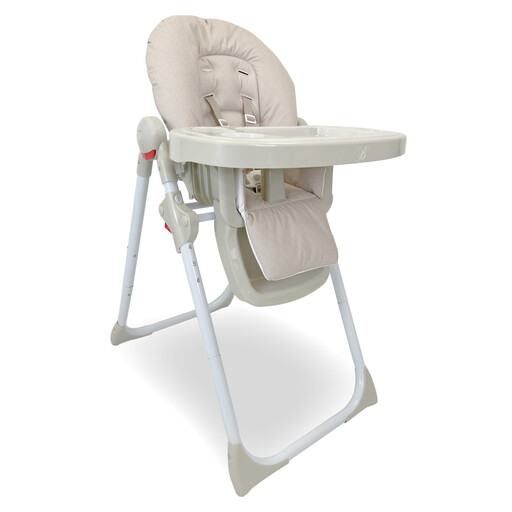
Why It Stands Out: This highchair successfully blends sophisticated style with practical features. The chic oatmeal herringbone fabric and sleek frame mean it won’t look out of place in a modern kitchen, while its extensive adjustability ensures comfort for your baby and convenience for you.
Pros:
Who is it for? Parents who want a versatile, feature-rich highchair from 6 months onwards and who value a stylish design that complements their home decor.
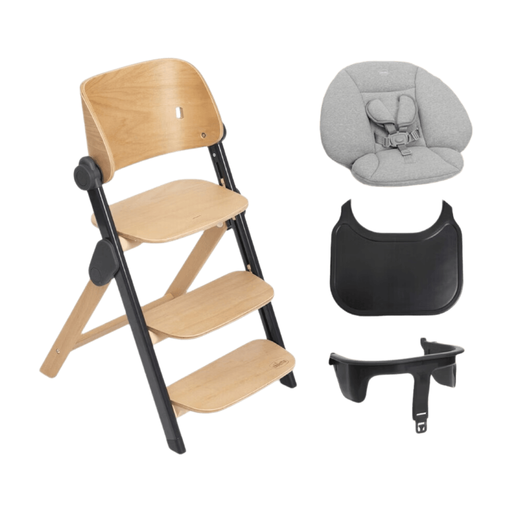
Why It Stands Out: The Chicco Meraviglia is a true long-term investment. Its clever 4-in-1 modular design transforms from a newborn recliner to a highchair, a child's first chair and even a stool for an adult. Crafted from certified beech wood, it offers exceptional durability and timeless appeal.
Pros:
Who is it for? Families looking for a single, sustainable seating solution that will last from birth through to childhood and beyond. It's ideal for those who appreciate classic wooden design and long-term value.
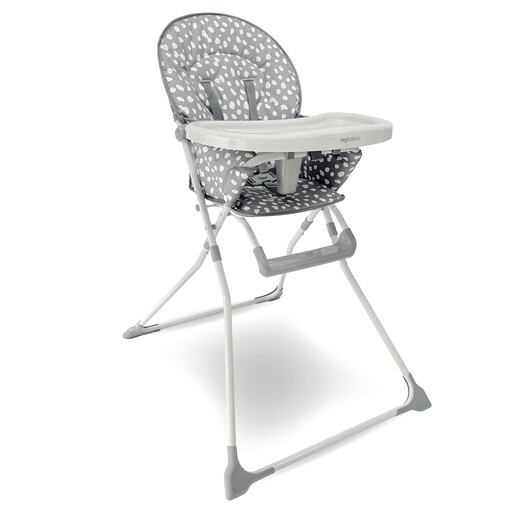
Why It Stands Out: This model is the definition of a compact highchair. Weighing just 5kg and folding almost completely flat, it’s an excellent choice for smaller kitchens, travel or for keeping at a grandparent's house. It delivers on the essentials without any unnecessary bulk.
Pros:
Who is it for? Parents, carers or grandparents who need a lightweight, space-saving and portable feeding solution without compromising on safety or basic comfort.
While these three highchairs cover a range of common needs, every family is unique. If you're still exploring or have different requirements in mind, we invite you to browse our full collection of babysitting chairs to find the perfect match for your little one.
1. When can a baby start using a highchair? For a standard, upright highchair, your baby should be able to sit up confidently on their own, which is usually around the 6-month mark. However, some convertible models, like the Chicco Meraviglia, function as a newborn highchair from birth thanks to a fully reclining seat. Always check the manufacturer's age and weight recommendations.
2. What is the safest type of highchair? Safety is determined by features, not a single "type." The most critical safety feature is a 5-point safety harness. Additionally, look for a chair with a wide, stable base that is difficult to tip. In the UK, ensure the product complies with the safety standard BS EN 14988. Regardless of the model, never leave your child unattended in a highchair.
3. Are wooden highchairs better than plastic ones? Neither is inherently "better"; it depends on your priorities. A wooden highchair often offers superior durability and a classic aesthetic, with many models designed to convert into a regular chair for long-term use. Plastic or metal highchairs are generally lighter, more likely to be a foldable highchair and often come with more built-in adjustments for height and recline. Both materials can provide a safe and effective feeding environment.