Buying priorities
Match the oat format to the recipe before comparing fibre figures. A per-100g comparison makes it easier to see the difference between plain oats, bran blends and oat bran.
| Priority |
What to check |
Your needs |
| Fibre comparison |
Compare fibre per 100g on suitable products. Check the ingredient list as well as any front-of-pack claim. Under the nutrition-claims rules published on legislation.gov.uk, a food needs at least 6g fibre per 100g to claim it is high in fibre. |
I want to compare oat ingredients on the same basis, rather than confuse a larger serving with a more fibre-dense product. |
| Recipe format |
Check whether the recipe specifies rolled oats, porridge oats, an oat-and-bran blend or oat bran. Use a small test bake before replacing rolled oats with bran-rich ingredients. |
My cake should use the ingredient format the recipe expects, especially where texture matters. |
| Gluten and allergens |
For a gluten-free bake, choose oats labelled gluten-free. Check the current pack for wheat, nuts and precautionary allergen wording, then check flour, baking powder, toppings and flavourings too. |
I need the finished cake to suit everyone eating it, not just the oat ingredient on its own. |
| Whole recipe context |
Use the oat nutrition panel to understand the ingredient, then consider the flour, fats, sweeteners, additions and portion size in the completed recipe. If increasing dietary fibre substantially, Coeliac UK advises doing so gradually and drinking plenty of fluids. |
I want fibre information without treating one oat ingredient as a verdict on the whole cake. |
Joybuy product options
These Joybuy options cover gluten-free oat flakes, plain oat products and oat bran for cake recipes. Choose the format that matches the recipe rather than treating every oat product as a direct substitute.
 No image available
Morrisons Free From Gluten Free Oats 1kg
A plain gluten-free oat-flake option for recipes that require oats explicitly labelled gluten-free.
100% gluten-free oat flakes; 8.6g fibre per 100g. Check flour, baking powder, toppings and kitchen cross-contact separately for a gluten-free cake.
Joybuy
 No image available
Flahavan's Organic Porridge Oats 1kg
A simple oat-flake option for recipes that call for plain porridge oats.
100% organic wholegrain oat flakes; 8.3g fibre per 100g. It is not labelled gluten-free in the supplied product information; test a small batch if a recipe needs a particular oat texture.
Joybuy
 No image available
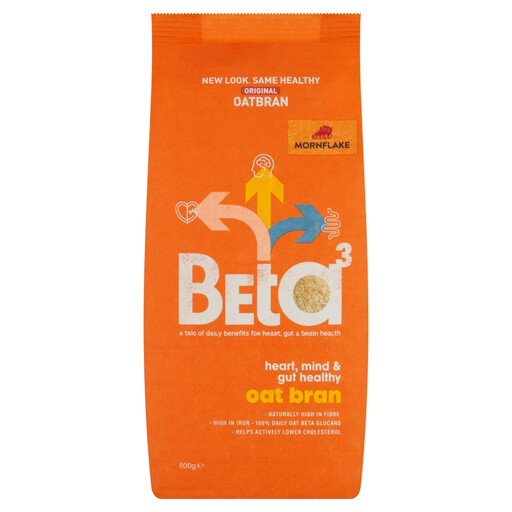
Mornflake Mighty Oats Original Oat Bran 800g
A separate oat-bran ingredient for recipes written for oat bran or for a fibre-focused test batch.
100% oat bran; 19.4g fibre per 100g. It is not a direct replacement for rolled porridge oats and is not suitable for wheat or barley allergy sufferers according to the listing.
Joybuy
 No image available
Quaker Oat So Simple Big Bowl Original 6 Pack 231g
A portioned wholegrain rolled-oat option where sachet quantities suit the recipe.
100% wholegrain rolled oats; 9.0g fibre per 100g. Check that the sachet format provides the quantity and texture needed for the cake, and do not assume it is gluten-free.
Joybuy
 No image available
Scotts Porage Oats Original Porridge Oats 1kg
A plain oat option for bakers willing to check whether its texture matches the recipe.
100% oatmeal with no additional ingredients; 9.0g dietary fibre per 100g. The listing states that it may contain wheat and barley, so it does not suit a gluten-free cake requirement.
Joybuy
Frequently asked questions
What counts as “high fibre” on a UK oat product label?
Under the nutrition-claims criteria published on legislation.gov.uk, a food may make a high-fibre claim only if it contains at least 6g fibre per 100g or 3g per 100 kcal. Compare suitable oat products per 100g, but remember that the claim does not show whether an ingredient matches a particular cake recipe.
Should I use plain porridge oats or oats with added wheat bran for cake baking?
Use plain rolled porridge oats when the recipe calls for porridge or rolled oats. Choose oats with added wheat bran only when the recipe is designed for a bran-containing ingredient or after a small test bake; Waitrose lists 13.8g fibre per 100g for its wheat-bran blend and 9.9g per 100g for its plain wholegrain oat-flake product.
Can oat bran replace rolled porridge oats directly?
Not as an automatic swap. Oat bran is a distinct 100% bran ingredient, whereas porridge oats are rolled oat flakes, so use a recipe written for oat bran or test a small batch before replacing all the rolled oats.
Are ordinary porridge oats gluten-free in the UK?
Not necessarily. Coeliac UK explains that many standard oats are produced where wheat, barley and rye are handled and may be contaminated; choose oats labelled gluten-free for a gluten-free cake and check the remaining ingredients and kitchen controls.
Do I need to increase fibre gradually?
If you are materially increasing dietary fibre, Coeliac UK advises increasing it gradually and drinking plenty of fluids at the same time. This is dietary guidance rather than a baking instruction.


