
24/7 Customer Support

Free returns

Same-day & Next-day Delivery

Quality Guaranteed

Unlock Your Welcome Offers: FREE Delivery | Up to 80% OFF | Free 30-day JoyPlus trial
Download the APP
A carefully chosen highlighter can add dimension to everyday make-up, brighten the complexion for an evening out or create a subtle sheen across the body. However, the wrong formula may emphasise texture, leave an unwanted colour cast or disappear within a few hours.
The main challenge is matching the finish, format and shade depth to how you actually intend to use it. A face highlighter for a quick commute is unlikely to serve the same purpose as a high-shine highlighter for an occasion or a body luminiser for bare shoulders and legs.
Marketing language can make every illuminating product sound similar. In practice, a dewy highlighter generally uses fine reflective particles or a wet-looking base, while a high-shine highlighter may create a more noticeable metallic or prismatic effect. Chunkier particles can draw attention to pores and dry patches, particularly when applied over a matte foundation.
If you prefer an understated finish, look for terms such as sheer, satin, soft-focus or micro-pearl. For more impact, a buildable formula lets you increase intensity gradually rather than applying a dense layer immediately.
A pale silver shade may look stark on some complexions, while a very warm bronze can appear orange on fair skin. Shade names are useful, but the undertone and transparency of the pigment matter more.
As a general guide:
Always check the full ingredient list and shade information on the product packaging, as colours can vary between screens and lighting conditions.
A long-lasting highlighter may be useful for a full working day or event, but a transfer-proof or waterproof formula can require more careful removal. Conversely, a lightweight liquid highlighter may blend beautifully but need setting if you have oily skin or will be outdoors.
Consider the occasion, your base make-up and whether you want to remove the product easily at the end of the day. “All-day” descriptions should be treated as product guidance rather than a guarantee for every skin type or environment.
There are three common formats:
A stick format can be practical for precise placement, but applying directly from the stick may shift foundation. For a softer result, warm the product on your fingertip or use a small brush.
Check whether the description refers to shimmer, metallic, satin, pearlescent or glitter. A glow enhancer or lotion-style product usually creates a broader, diffused sheen. Traditional face highlighter is more concentrated and designed for cheekbones, brow bones, the bridge of the nose or Cupid’s bow.
If you have visible skin texture, place shine on the upper cheekbone rather than directly over enlarged pores. A smaller amount generally looks more natural in daylight.
Review the ingredient list for potential personal triggers, especially fragrance, alcohol denat., oils or particular preservatives. Products intended for external use should not be applied to damaged skin. Keep make-up closed, stored away from direct heat and sunlight, and follow the period-after-opening guidance where provided.
For UK shoppers, check that the packaging includes a complete ingredient list, usage instructions, warnings and appropriate supplier information. “Dermatologist tested”, “non-comedogenic” or similar wording should be understood as product information, not a guarantee that irritation or breakouts are impossible. Patch testing a small area can be sensible when trying a new formula.
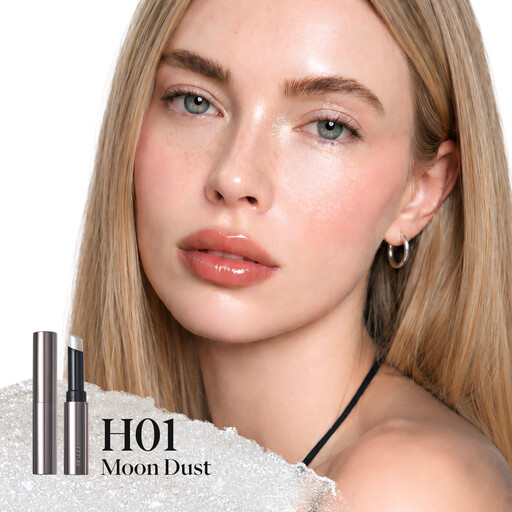
Why This Fits Their Persona: The twist-up stick is straightforward for beginners who want targeted sparkle without carrying brushes, making it practical for a handbag or quick evening make-up in the UK.
Its direct-application design avoids complicated tools, while fingertip blending helps control the high-impact shimmer and reduce over-application.
Twist-up format; listed for use on eyelids and lips as well as targeted highlighting. The product description states a transfer-proof formula.
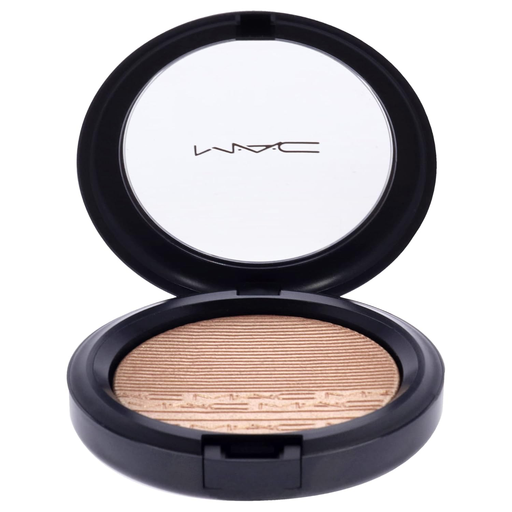
Why This Fits Their Persona: A pressed highlighter suits shoppers who prefer a refined, buildable finish for workdays, dinners and formal occasions.
The hybrid cream-powder texture is described as buildable, allowing a sheer layer instead of forcing an immediately intense metallic result.
Pale-gold shade; liquid-powder texture; product information lists up to 10-hour wear and buildable reflection.
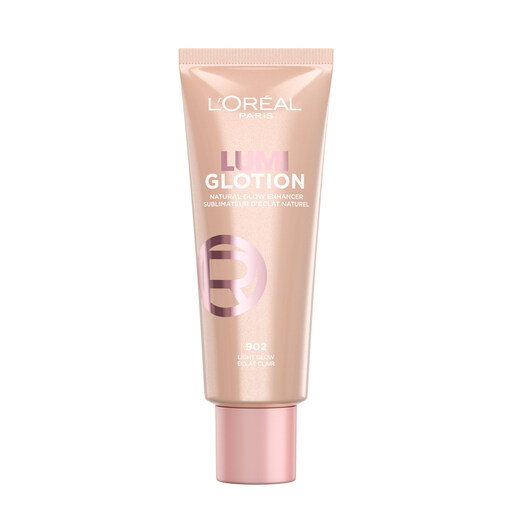
Why This Fits Their Persona: This is suited to shoppers who want one product for primer, targeted highlighting, sheer tint and body illumination, particularly with fair-to-light complexions.
Its lotion-style format is designed for diffused luminosity rather than concentrated glitter, with several application routes for controlling coverage.
Can be used on the face or body; contains glycerin and shea butter; 902 Light Glow is positioned for fair-to-light skin tones.
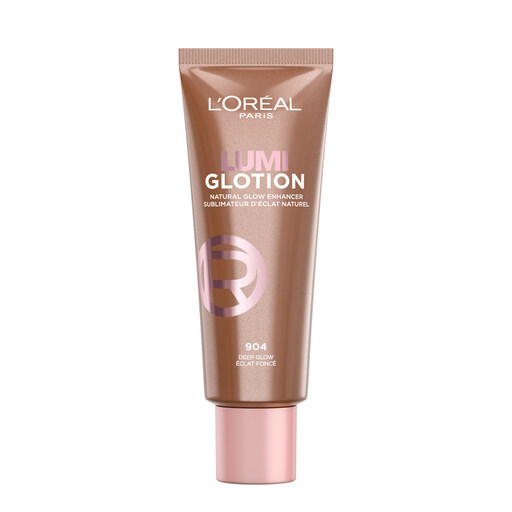
Why This Fits Their Persona: Designed for shoppers seeking a warm, bronzed liquid highlighter that can be used on deeper skin tones, as a body luminiser or as a soft contouring tint.
The deeper tint is intended to avoid a pale, grey-looking finish, while the liquid texture can be sheered out or layered for stronger warmth.
Suitable for face and body use; 904 Deep Glow provides a rich bronzed tint; can be mixed with foundation or body lotion.
We have compiled a complete, real-time list of products that fully satisfy these strict selection criteria and UK safety regulations.
For body use, mix a small amount of glow enhancer with body lotion or smooth it over moisturised collarbones and shoulders. Wash hands after application to avoid transferring pigment to clothing.
A stick or liquid formula is often straightforward because it can be applied in small amounts and blended with fingertips. Powder highlighter gives more control when used with a brush, especially over a powdered base.
Shelf life varies by formula and packaging. Follow the period-after-opening symbol and storage instructions on the product. Close the container tightly, keep it away from heat and sunlight, and replace it if the smell, texture or colour changes.
Check the full ingredient list and warnings before use. Some formulas contain fragrance or alcohol denat., which may not suit everyone. Apply a small amount to an inconspicuous area first and stop using the product if irritation, redness or a rash develops.