
24/7 Customer Support

Free returns

Same-day & Next-day Delivery

Quality Guaranteed

Unlock Your Welcome Offers: FREE Delivery | Up to 80% OFF | Free 30-day JoyPlus trial
Download the APP
From the rolling hills of the Peak District to the rugged trails of the Scottish Highlands, the right hiking gear can make or break your outdoor adventure. However, the market is flooded with options, and it's easy to fall for marketing claims that don't hold up against the unpredictable British weather. Many find themselves with a pack that’s either too heavy, too small or leaves their belongings soaked after a sudden downpour.
As the Joybuy Product Recommendation Officer, my role is to help you navigate these choices. Before you spend your hard-earned money, let's look at the common pitfalls to avoid.
To ensure your hiking gear serves you well, focus on these core parameters. Understanding them will help you select a product that matches your activity level and provides lasting value.
A backpack's volume is measured in litres (L), and matching it to your trip's length is crucial.
The fabric of your pack determines its durability and ability to handle the elements.
Comfort is paramount, especially when carrying a load for several hours.
Based on these practical criteria, here are a few options tailored to different user needs.
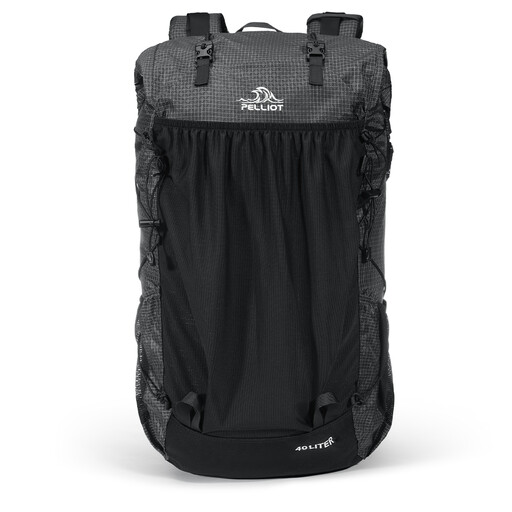
Why This Fits Their Persona: Built for those undertaking 2-3 day hikes in places like the Lake District or Snowdonia, this pack has the capacity and support needed for carrying heavier loads over long distances.
It directly counters the "ignoring the harness" pitfall with its built-in alloy support frame and dynamic walking harness, designed specifically to transfer weight to the hips and reduce shoulder strain.
Features a 3D breathable cushioning system for comfort and multiple attachment points for trekking poles and sleeping pads, keeping gear organised and accessible.
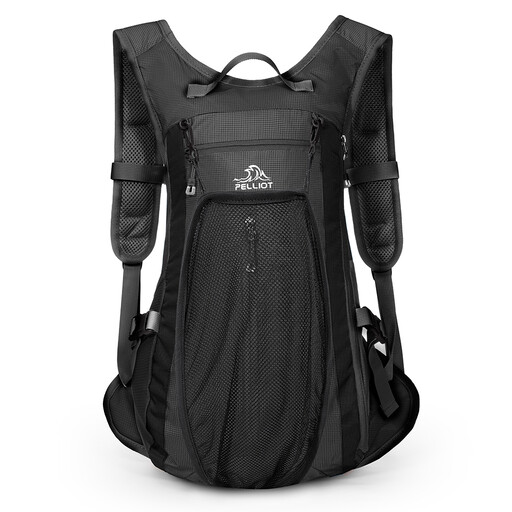
Why This Fits Their Persona: For those who prioritise speed and stability on the trail, this lightweight pack is designed to hug the body and minimise movement, making it suitable for running or fast-paced hiking.
This is a purpose-built trail running pack, not a generic daypack. Its ergonomic harness and stable, body-hugging fit are designed to prevent the bouncing and chafing common with poorly fitted packs during high-intensity activity.
It is ultra-lightweight to reduce unnecessary load and features well-organised, quick-access pockets for essentials, allowing you to grab water or snacks without breaking your stride.
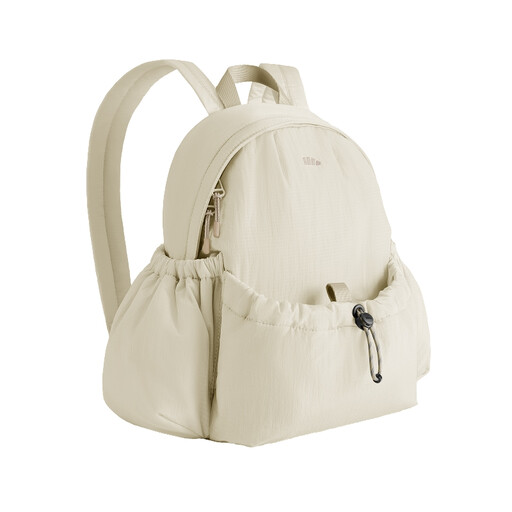
Why This Fits Their Persona: Perfect for the London commuter who enjoys weekend walks in Epping Forest. It's stylish enough for the office but functional enough for a light hike, with a clever design for changing needs.
It avoids the "one-size-fits-all" myth by offering an expandable capacity (10L to 13L). This provides flexibility without the bulk of a large, empty pack, making it ideal for carrying just a laptop or adding a jacket and lunch.
Made from a lightweight, high-tenacity nylon that is resistant to stains and rain, it's a practical choice for daily use. The dual pressure-relief shoulder straps enhance comfort during long commutes.
We have compiled a complete, real-time list of products that fully satisfy these strict selection criteria and UK safety regulations.
While not essential for every hiker, a sports knee support can be beneficial, particularly if you have a history of knee instability or are tackling long, steep descents which put significant strain on the joints. A good knee brace for hiking should offer compression and support without restricting movement. Look for breathable, non-slip materials that stay in place. They are not a substitute for medical advice, so if you have persistent pain, it is always wise to consult a healthcare professional.
First, loosen all the straps. Put the pack on and position the hip belt so it rests on top of your hip bones, then tighten it. It should be snug enough to carry most of the weight. Next, tighten the shoulder straps so they sit comfortably on your shoulders without carrying the main load. Finally, fasten and tighten the sternum (chest) strap to pull the shoulder straps inwards, preventing them from slipping. The pack should feel like a stable part of your body.
Never put a technical or waterproof backpack in a washing machine or tumble dryer, as this can destroy the waterproof coatings and damage the structural components. For general cleaning, wipe it down with a damp cloth. For stubborn dirt, use a soft brush and a mild, non-detergent soap. Rinse it thoroughly with cool water and hang it to air dry completely, away from direct sunlight or heat sources.