
24/7 Customer Support

Free returns

Same-day & Next-day Delivery

Quality Guaranteed

Unlock Your Welcome Offers: FREE Delivery | Up to 80% OFF | Free 30-day JoyPlus trial
Download the APP
Finding a single backpack that can handle a Monday morning commute, a weekend trip to the Lake District and everything in between can feel like a challenge. The market is filled with options, each claiming to be the perfect fit. As the Joybuy Product Recommendation Officer, my role is to help you navigate these choices by focusing on practical features and objective information, ensuring you find a pack that genuinely suits your needs.
This guide will walk you through the key considerations when selecting a new backpack and highlight a few standout options for different activities, from daily use to multi-day treks.
Before looking at specific models, it helps to understand what makes a good backpack. Focusing on these three areas will ensure you get a pack that is comfortable, durable and fit for purpose.
A backpack's capacity, measured in litres (L), is the most important factor. A bag that’s too big for a short walk will be cumbersome, while one that’s too small for a camping trip is simply impractical.
A heavy pack can quickly turn an enjoyable walk into a chore. Look for features designed to distribute weight evenly and reduce strain on your shoulders and back.
The UK’s weather is famously unpredictable. A backpack made from durable, weather-resistant fabric provides peace of mind. High-tenacity nylon and polyester blends are common choices as they offer a good balance of strength and weight. While few packs are fully submersible, many feature water-resistant coatings that will protect your gear during a sudden downpour.
Based on versatility, user-focused features and suitability for different activities, here are our recommendations.
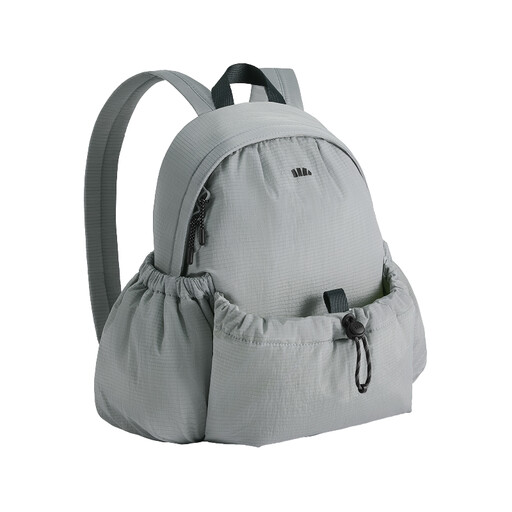
Why It Stands Out: This pack’s cleverest feature is its expandability. It functions as a sleek 10L pack for your daily essentials but unzips to provide an extra 30% capacity (up to 13L) when you need to carry more. Made from high-tenacity, ultra-soft nylon, it’s a very lightweight travel backpack that doesn’t compromise on durability.
Pros:
Who is it for? This unisex hiking bag is ideal for commuters, students and city explorers who need a versatile pack that can adapt from a work day to a weekend city break.
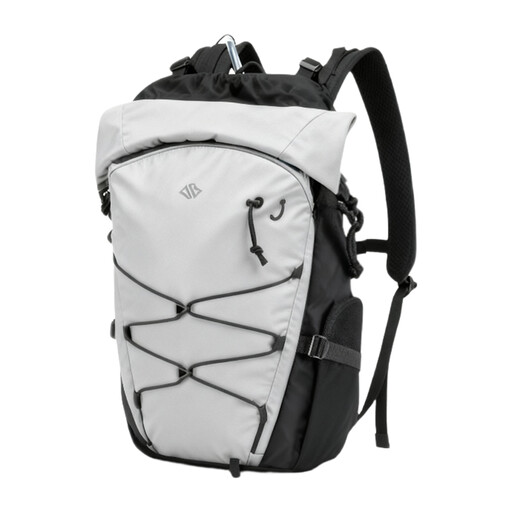
Why It Stands Out: With a 25L capacity, this backpack hits the perfect balance for a full day outdoors. Its main selling point is the breathable back support system, which uses an ergonomically designed padded panel to improve airflow and reduce sweat during long walks. It’s a straightforward, reliable choice for most day-long adventures.
Pros:
Who is it for? Day hikers, weekend travellers and anyone looking for a no-fuss, comfortable and practical hiking backpack for single-day outings.
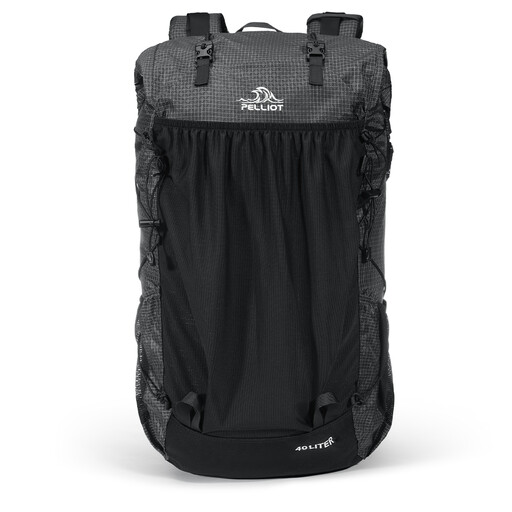
Why It Stands Out: This 40L trekking rucksack is built for serious adventures. It incorporates an alloy support frame that works with the harness system to transfer the pack's weight to your hips, significantly reducing back and shoulder strain. The dynamic walking harness allows the shoulder straps to pivot with your natural movement, reducing fatigue on long-distance treks.
Pros:
Who is it for? This is the pack for dedicated hikers, campers and backpackers planning 2–3 day trips who require a robust camping rucksack with superior support and organisation for heavier gear.
If these specific models aren't quite what you're looking for, or if you'd like to compare more sizes and styles, there are many other choices available. A wider selection can help you find the perfect combination of features, capacity and fit for your specific needs.
Explore our full collection of hiking rucksacks to find the ideal pack for your next adventure.
For most day hikes in the UK, a backpack with a capacity between 20 and 35 litres is ideal. This provides enough space for waterproofs, extra layers, food, water, a map and other essentials without being too heavy or bulky.
Proper packing and adjustment are key. Place heavier items like water or food close to your back and in the centre of the pack. Adjust the shoulder, chest (sternum) and hip straps to ensure the pack sits snugly against your back and most of the weight is resting on your hips, not your shoulders.
Given the unpredictability of British weather, a pack with a high degree of water resistance is highly recommended. While most packs are made from water-resistant materials that can handle a light shower, for prolonged rain you may want to use a separate rain cover or pack your sensitive items (like electronics and spare clothes) in dry bags inside the rucksack.