
24/7 Customer Support

Free returns

Same-day & Next-day Delivery

Quality Guaranteed

Unlock Your Welcome Offers: FREE Delivery | Up to 80% OFF | Free 30-day JoyPlus trial
Download the APP
A suitable backpack can make a wet walk across the Pennines, a weekend in the Lakes or a crowded railway commute considerably easier. However, many buyers choose based on capacity or appearance alone, then discover that the pack shifts under load, leaves contents damp or has fewer usable pockets than expected.
The most common buying traps are:
For most UK day walks, 15–30 litres can accommodate a jacket, food, water, first-aid supplies and personal items. A 25L outdoor backpack may also suit cycling, university or short travel.
For overnight or multi-day use, 40L hiking backpacks and 45L trekking backpacks provide space for clothing, cooking equipment and sleeping kit. The PELLIOT 40L pack is listed for approximately two- to three-day treks, while the Mobi Garden Phantom Pro has a 45L capacity for lightweight backpacking.
Expandable travel backpacks can be useful when your load changes. The Beneunder LC183 has a stated regular capacity of 10L, expanding to 13L, which is more appropriate for commuting, day trips and light hiking than multi-day camping.
A pack should match your torso length and waist measurement. Measure from the prominent bone at the base of your neck to the top of your hip bones, then compare that measurement with the manufacturer’s size guide.
Important features include:
A breathable backpack does not prevent sweating entirely, particularly during humid weather or steep climbs. It can, however, create more airflow between your back and the pack. Suspension-style panels, ventilated mesh and shaped foam are practical features to look for.
Terms such as “durable”, “outdoor-grade” and “waterproof backpacks” should be checked against the actual construction. Look for the fabric type, abrasion resistance, rain cover and care instructions.
For rocky routes and mountaineering, reinforced nylon or Dyneema composite fabric may offer useful resistance to abrasion, but even tough fabrics can be damaged by sharp equipment. Keep crampons, ice axes and cooking tools secured and protected.
For regular British rain, a built-in rain cover or a separate dry bag may be more dependable than relying on a water-repellent coating alone. Always check the product details rather than assuming that “waterproof” means fully sealed in every condition.
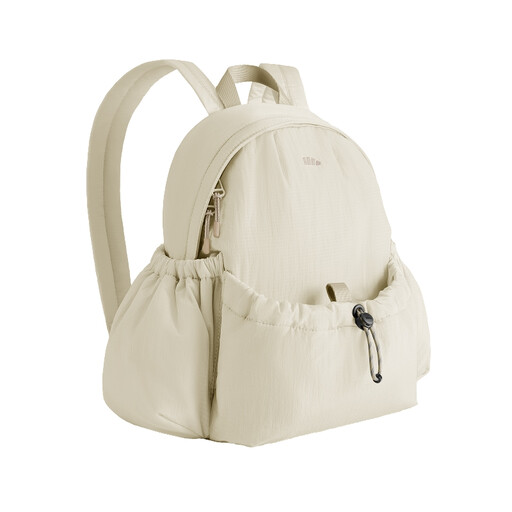
Why This Fits Their Persona: A compact option for commuters, casual walkers and people starting with short local hikes where carrying space needs are modest.
Its stated 10L capacity expands to 13L, reducing the need to carry an oversized bag for changing daily loads. The fabric is described as resistant to wind, rain and stains, rather than a guarantee of complete waterproofing.
30% stated expansion; dual pressure-relief shoulder straps; hidden and organised storage for everyday essentials.
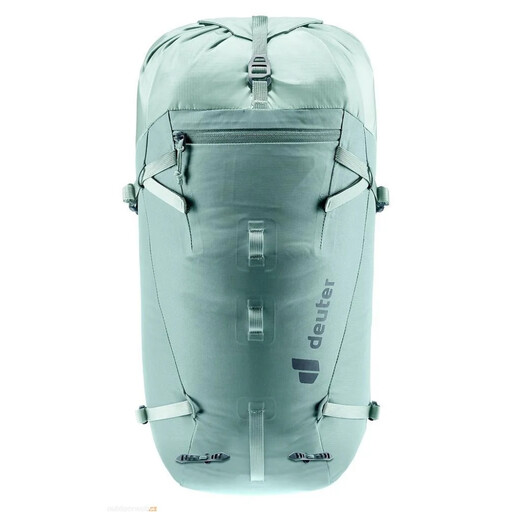
Why This Fits Their Persona: Designed for climbers and walkers who need structured organisation and attachment points for technical equipment on demanding routes.
The listed torso adjustment, hip belt sizing and ventilated back system address fit and heat management rather than relying only on a capacity claim.
420D nylon construction; ice axe loops, trekking pole holders, hydration sleeve and an integrated rain cover.
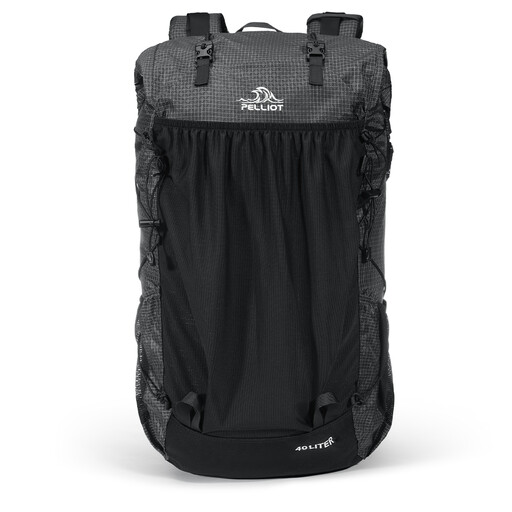
Why This Fits Their Persona: Suitable for campers and multi-day hikers carrying clothing, food and shelter across longer UK routes.
The built-in alloy frame, adjustable harness and hipbelt are specified for load distribution. Its stated approximate load range is 11kg, so buyers can compare that figure with their packed kit.
40L capacity; approximately 1.06kg listed weight; ventilated EVA and mesh back panel with trekking pole and sleeping-pad attachments.
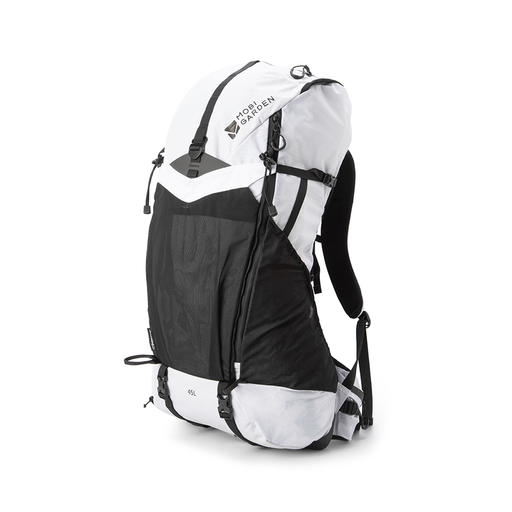
Why This Fits Their Persona: A 45L trekking pack for backpackers prioritising low listed weight, airflow and external equipment storage.
The product lists a 3D ventilated suspension back panel and separate hydration sleeve, while its care notes acknowledge that Dyneema can still be cut by forceful tearing.
45L capacity; approximately 1.35kg listed weight; stretch side pockets and attachment points for poles and sleeping equipment.
We have compiled a complete, real-time list of products that fully satisfy these strict selection criteria and UK safety regulations.
A 20–30L hiking backpack is usually a practical starting point for a day walk, depending on the season and equipment. Winter clothing, extra food and safety equipment may require more space.
Not always. Some are water-repellent or anti-splash, while others include a rain cover. For persistent UK rain, use the stated protection together with dry bags for electronics, clothing and other moisture-sensitive items.
Lifespan depends on fabric, load, terrain, storage and care. Avoid overloading, protect the fabric from sharp objects, dry the bag fully before storage and inspect stitching, buckles and straps regularly. A supportive pack that is correctly fitted is also less likely to suffer from uneven strain.