
24/7 Customer Support

Free returns

Same-day & Next-day Delivery

Quality Guaranteed

Unlock Your Welcome Offers: FREE Delivery | Up to 80% OFF | Free 30-day JoyPlus trial
Download the APP
Choosing hiking and camping gear is rarely as simple as comparing prices and counting features. A low-cost item can become expensive if it fails in persistent rain, creates pressure points after a few miles or lacks the capacity for essential equipment.
For UK hikers, trekkers, campers and mountaineers, the right choice depends on terrain, weather, trip length and how often each item will be used. This guide explains the specifications worth checking and highlights suitable options for different outdoor routines.
“Waterproof” does not always explain how a product performs in prolonged rain. For clothing, check whether the jacket has a waterproof laminate, sealed construction and enough room for mid-layers. For tents, the hydrostatic head rating, seam design and groundsheet coverage are more useful than the word “waterproof” alone.
A jacket can also feel uncomfortable if breathability is overlooked. A breathable outdoor jacket should balance rain protection with moisture management, particularly on steep climbs and high-effort walks.
An ultralight product is not automatically suitable for every trip. A small daypack may lack space for extra layers, food, navigation equipment and emergency essentials. Conversely, an oversized pack can encourage unnecessary weight.
The same issue applies to tents. A lightweight camping tent should be assessed alongside packed dimensions, sleeping space, vestibule area and weather suitability. A 2-person tent is generally designed for two occupants, but available storage space may be limited once both people and their kit are inside.
Poor fit can reduce comfort and stability even when the materials appear durable. Check torso adjustment on a mountaineering backpack, grip design on trekking poles and toe-room requirements when buying waterproof hiking boots or high-top hiking boots.
Always measure feet wearing the socks intended for hiking. Allowing some space at the toes is useful on descents, but excessive room can cause movement and rubbing. If buying online, review the retailer’s size guidance and returns information before ordering.
A 28-litre pack can suit day-long alpine approaches or technical walks where equipment needs to remain accessible. The Deuter Guide 28L, for example, uses 420D nylon with a listed 280 GSM weight, giving shoppers a clear indication of the fabric construction rather than relying only on general durability language.
Useful features to compare include:
Measure your torso from the C7 vertebra to the iliac crest, then compare the result with the manufacturer’s sizing table. The Deuter Guide 28L provides torso options from 16–18 inches through to 22–24 inches, with hip belt guidance also listed.
A trekking pole should adjust securely and be simple to check before each walk. The SUCOJIA model has a listed 125 cm extended length, 34 cm folded size and 275 g weight, along with an ABS locking mechanism and aluminium alloy construction.
For practical use, check:
Do not use a pole as a substitute for a handrail or place your full body weight on it. Inspect the shaft, tip and lock before every outing, especially after transport.
The Mobi Garden LUNTA 68D is listed as a 2-person, 3-season tent measuring 210 × 140 × 110 cm when pitched. Its outer tent has a listed PU2000mm waterproof rating, while the inner groundsheet is listed at PU4000mm. The packed size is approximately 41 × 16 × 16 cm, with a total weight of around 2.64 kg.
These figures help compare portability and coverage. A higher hydrostatic head can indicate greater resistance to water pressure, but setup remains important. Choose a suitable pitch, tension the flysheet correctly and avoid allowing the inner and outer fabrics to touch where possible.
For all-terrain hiking gear, look for a lugged rubber sole, protective toe area and an upper suited to the intended terrain. The listed PELLIOT high-top hiking boots use an abrasion-resistant synthetic upper, protective toe cap, waterproof membrane and high-traction rubber sole. The available sizing should be checked carefully against foot length.
For wet UK trails, the PELLIOT waterproof jacket range lists a waterproof laminate, moisture-wicking lining and a size chart with chest measurements. If you plan to wear a fleece or insulated layer underneath, compare the garment measurements rather than relying on your usual size.
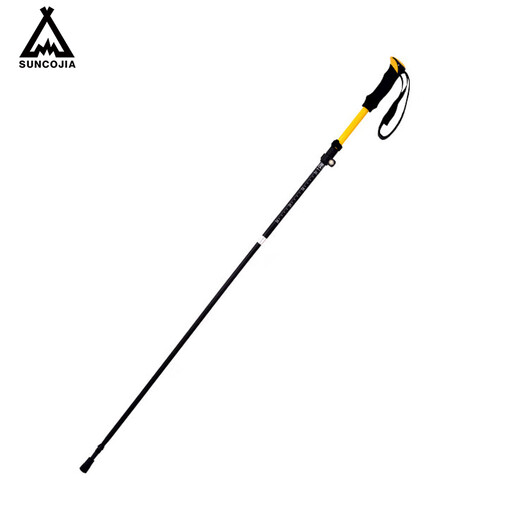
Why This Fits Their Persona: A compact option for new walkers building an outdoor kit for UK trails, travel and camping trips.
The listed 34 cm folded size makes storage straightforward, while the ABS locking system gives buyers a clearly stated adjustment feature to inspect.
275 g listed weight, telescopic and foldable design, aluminium alloy shaft and anti-slip handle.
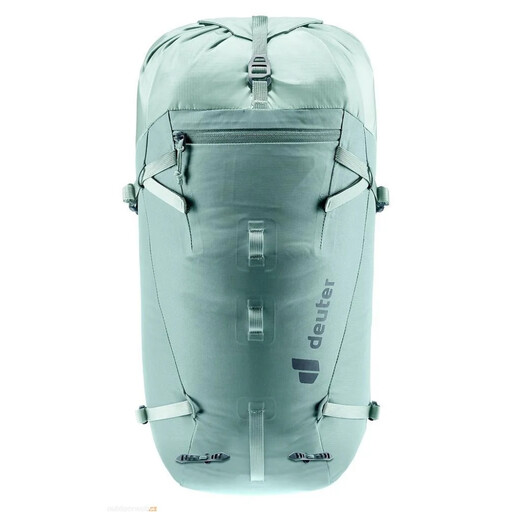
Why This Fits Their Persona: Suitable for users who prioritise structured organisation and adjustable carrying comfort on demanding day routes or alpine approaches.
The torso-length and hip-belt guidance helps address poor fit, while the integrated rain cover avoids relying on a vague weather-resistance description.
420D nylon with listed 280 GSM construction, Aircomfort Lite ventilated back system, hydration sleeve and ice axe loops.
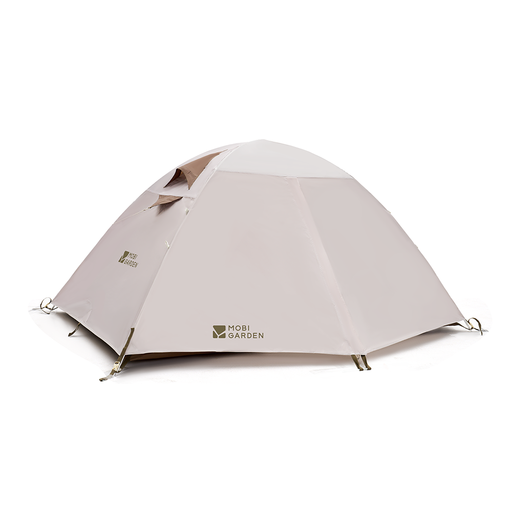
Why This Fits Their Persona: A practical match for two-person camping trips where packability, weather coverage and a manageable setup matter.
Its listed dimensions, packed size and separate outer and groundsheet ratings make the key trade-offs visible before purchase.
68D tear-resistant polyester, aluminium alloy frame, approximately 2.64 kg total weight and 41 × 16 × 16 cm packed size.
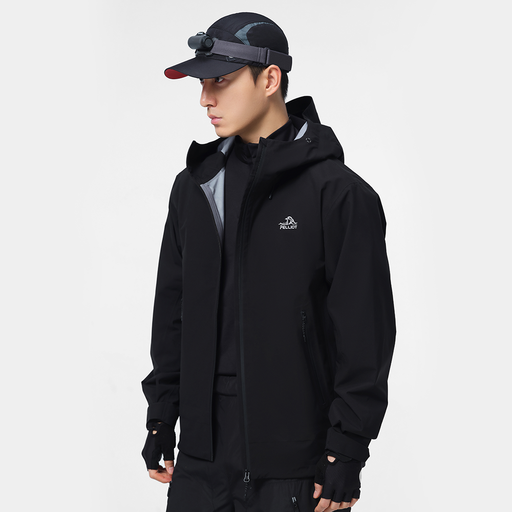
Why This Fits Their Persona: Useful for commuters, weekend walkers and hikers who need a shell layer that can accommodate clothing underneath.
The published chest and sleeve measurements help reduce sizing mistakes, while the listed laminate and lining details provide more useful information than a simple waterproof label.
Utility fit, waterproof laminate, moisture-wicking lining and a size range extending from XS to XXL.
We have compiled a complete, real-time list of products that fully satisfy these strict selection criteria and UK safety regulations.
Start with weather-appropriate layers, water, food, navigation equipment, a charged phone or power bank, a first-aid kit and a means of contacting help. Add waterproof clothing even when the forecast looks settled, as conditions can change quickly in exposed areas. A daypack between roughly 20 and 30 litres may suit many routes, depending on season and personal equipment.
Lifespan depends on frequency of use, terrain, storage and maintenance. Clean mud from footwear after walks and let it dry naturally away from direct heat. For jackets, follow the care label and avoid products that can damage the waterproof finish. Replace footwear or clothing when soles, seams, membranes or closures show significant wear.
It can be, but low weight should not be the only deciding factor. For mountaineering, assess pack capacity, attachment points, fabric construction, weather protection and compatibility with the equipment you carry. Technical routes may require purpose-specific gear and training beyond standard hiking equipment.