
24/7 Customer Support

Free returns

Same-day & Next-day Delivery

Quality Guaranteed

Unlock Your Welcome Offers: FREE Delivery | Up to 80% OFF | Free 30-day JoyPlus trial
Download the APP
From the rugged coastlines of Cornwall to the majestic peaks of the Scottish Highlands, the UK offers a breathtaking variety of trails for every level of enthusiast. But having the right equipment can be the difference between a memorable adventure and a miserable day out. The market for hiking gear is saturated with technical jargon and marketing promises, making it easy to spend money on features you don't need or, worse, on kit that fails when you need it most.
As a Joybuy Product Recommendation Officer, my role is to help you navigate this landscape. We've seen where people commonly go wrong and want to highlight a few pitfalls to help you make smarter choices.
To avoid these traps, focus on a few core parameters. Understanding these will empower you to select functional and durable trekking equipment without being swayed by marketing hype.
True weather protection in outdoor clothing is about more than just a label. For items like waterproof hiking trousers and jackets, look for a Hydrostatic Head (HH) rating. This measures, in millimetres, how much water pressure a fabric can withstand before it leaks.
Also, consider breathability (measured in g/m?/24hrs). A fabric that doesn't allow sweat to escape will leave you damp from the inside. A balance between waterproofing and breathability is key.
Effective temperature regulation is achieved through layering, not a single heavy coat. This system allows you to adapt to changing conditions by adding or removing layers. It's the cornerstone of functional men's hiking clothes and all outdoor clothing.
This approach is more versatile and often more cost-effective than buying one expensive, all-in-one jacket. For colder conditions, consider fleece-lined trousers like the baleaf Men's Fleece Lined Waterproof Trousers, which combine a water-resistant outer with an insulating inner layer.
When choosing a hiking backpack, comfort is paramount. A well-fitting pack distributes weight from your shoulders to your hips, which are better equipped to carry heavy loads.
Based on these practical principles, we've matched a few products from our selection to different user profiles.
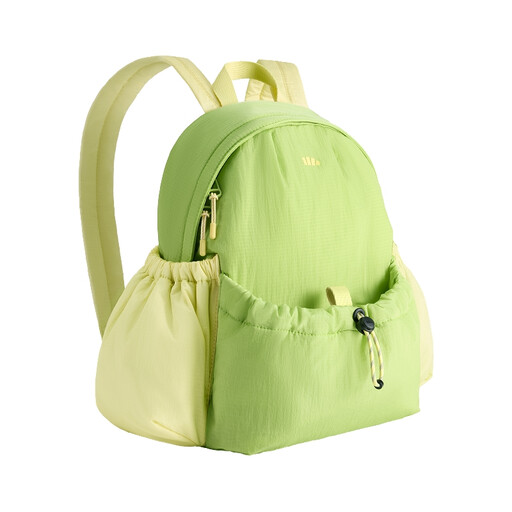
Why This Fits Their Persona: Ideal for day trips in the Peak District or commuting, this user needs a versatile, lightweight pack. It's not over-engineered for extreme conditions but provides practical features for everyday adventures and short hikes.
This pack helps you avoid overspending on unnecessary expedition-grade features. Its expandable design offers flexibility without the bulk and cost of a large, technical rucksack.
Its ultra-lightweight construction (approx. 8.3 oz) and expandable capacity (from 10L to 13L) make it highly adaptable for carrying just the essentials or an extra layer.
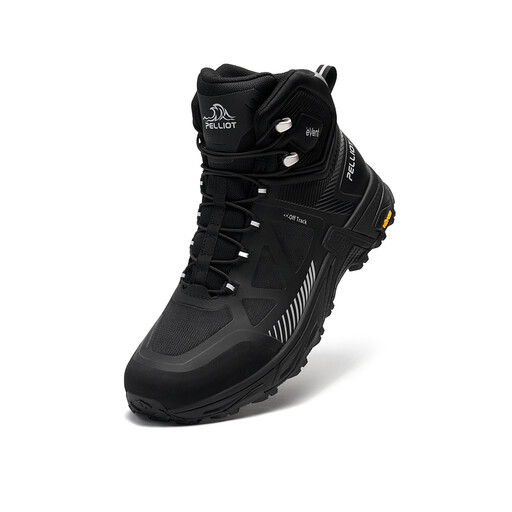
Why This Fits Their Persona: This user tackles varied terrain and unpredictable weather, from muddy trails in the Brecon Beacons to rocky paths in the Lake District. They need reliable, sturdy footwear that keeps their feet dry and stable.
It directly counters the "waterproof" illusion by incorporating a proper waterproof membrane, not just a surface coating. The aggressive lug pattern provides tangible grip, unlike fashion-focused boots with cosmetic soles.
Features a high-traction rubber sole with a specialised lug pattern for grip on wet and loose surfaces, combined with a protective toe cap for durability on rocky ground.
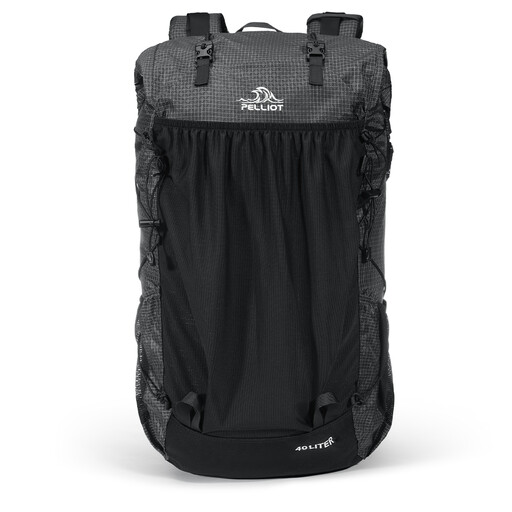
Why This Fits Their Persona: This hiker is planning a multi-day trek like the West Highland Way and needs to carry camping gear, food and clothing. Comfort over long distances is their priority, requiring a pack that can handle a significant load.
This pack directly addresses the "one-size-fits-all" fallacy. Its alloy support frame and dynamic walking harness are designed specifically for proper load distribution and a customised fit, preventing back and shoulder strain.
The combination of an internal alloy frame and an adjustable, breathable harness system transfers the load to the hips, significantly improving comfort and reducing fatigue on long-distance treks.
We have compiled a complete, real-time list of products that fully satisfy these strict selection criteria and UK safety regulations.
To maintain the performance of your waterproof items, regular care is essential. Clean off mud and dirt with a damp cloth after use. For a deeper clean, use a specialised technical wash designed for waterproof fabrics, following the garment's care label. Avoid standard detergents and fabric softeners, as they can clog the pores of the waterproof membrane and strip away the water-repellent coating. You can periodically refresh the surface water repellency with a spray-on or wash-in re-proofer.
This depends on your priorities. Carbon fibre trekking poles, like the PELLIOT Outdoor Trekking Poles, are significantly lighter than their aluminium counterparts. This reduces swing weight, which can lessen fatigue in your arms over a long day's hike. They are also very strong and effective at dampening vibrations. However, aluminium poles are more durable against dents and bends and are typically more affordable. For casual hikers, aluminium is often sufficient, but for long-distance trekkers or those prioritising low weight, carbon fibre can be a worthwhile investment.
While it's tempting to focus on jackets or backpacks, the most critical investment is a good pair of waterproof hiking boots. Your feet are your primary connection to the trail. Proper boots provide ankle support, protect you from rocks and roots, offer grip on slippery surfaces and keep your feet dry. Discomfort or an injury from poor footwear can end a hike prematurely. Start with your feet and build your kit from there.