
24/7 全天候客户支持

免费退货

当日/次日达

品质保障

开启新人专享福利: 全场免邮 | 低至 2 折 | 免费试用 30 天 JoyPlus 会员
下载 Joybuy
As a Joybuy Product Recommendation Officer, my role is to help you navigate the crowded market of outdoor equipment. Choosing the right hiking gear can be the difference between a memorable day on the trails and a miserable, damp slog home. Many products come with impressive-sounding features, but not all of them are suited to the unique demands of the UK's varied terrain and famously unpredictable weather. Before you invest, it's crucial to understand the common pitfalls that lead to buyer's remorse.
Here are three frequent traps to avoid:
To make an informed choice, focus on a few core parameters that directly impact your comfort and safety. This will help you select functional and durable hiking gear that serves its purpose.
When selecting a waterproof backpack or overtrousers, look for a Hydrostatic Head (HH) rating, measured in millimetres (mm). This indicates how much water pressure the fabric can withstand before it starts to leak.
Also, look for fabrics with a Durable Water Repellent (DWR) coating, which causes water to bead up and roll off the surface.
Proper fit is essential for any piece of lightweight outdoor clothing, but it is especially critical for backpacks and trousers. For women's hiking trousers, look for articulated knees and a gusseted crotch, which allow for a full range of motion without the fabric pulling or bunching. For backpacks, an adjustable harness system, sternum strap and hip belt are crucial for transferring the load's weight from your shoulders to your hips, significantly improving comfort over long distances.
The material of your gear dictates its performance. For clothing, synthetic fabrics like polyester and nylon are popular because they are quick-dry, durable and wick moisture away from the skin. For colder conditions, a fleece lining provides insulation without excessive bulk. For equipment like trekking poles, the choice is often between aluminium (durable and economical) and carbon fibre (lighter but more expensive), which can reduce fatigue on long treks.
To help you find the right fit for your needs, we've matched a few products to common hiker profiles in the UK.
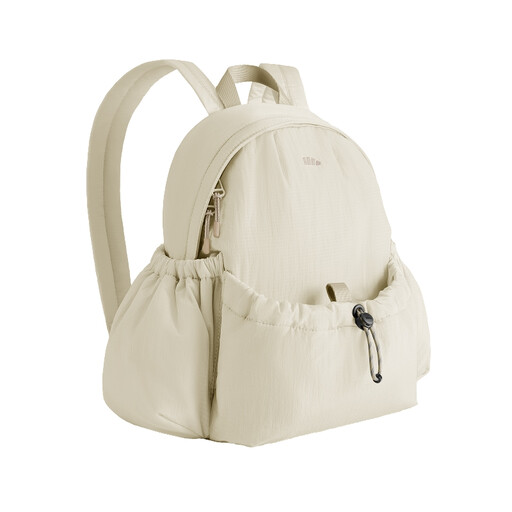
Why This Fits Their Persona: This user needs a versatile pack for short hikes in the Peak District, commuting in London or a weekend city break. Its lightweight design and expandable capacity (from 10L to 13L) make it highly practical for carrying daily essentials or an extra layer.
It avoids the "over-engineered" trap by focusing on core needs: it's light, comfortable and has a practical expandable feature rather than complex, heavy harness systems unsuited for a daypack.
The anti-splash fabric provides adequate protection for unexpected showers and the smart internal compartments keep items organised. Its main advantage is its adaptability.
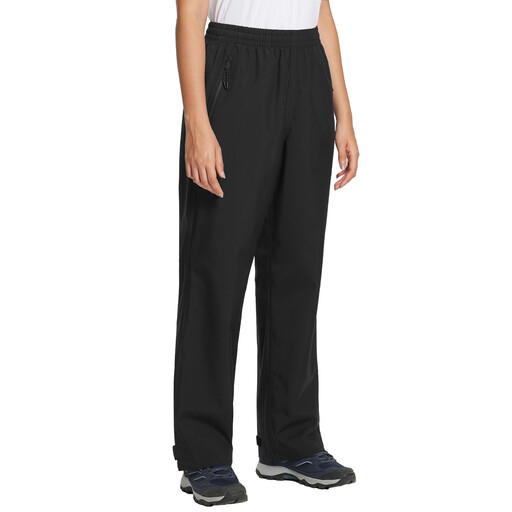
Why This Fits Their Persona: This hiker regularly tackles trails in the Lake District or Snowdonia and needs reliable protection from the elements. These overtrousers are designed to be worn over regular hiking trousers when the weather turns.
It directly counters the "waterproof illusion" by stating a verifiable 10,000mm waterproof rating and 10,000 g/m? breathability. This is factual data, not just a marketing claim, ensuring you stay dry from both rain and sweat.
These are lightweight and packable, so they won't take up much space in your pack. The fully taped seams and waterproof zippers provide complete protection, a feature often missing on cheaper alternatives.
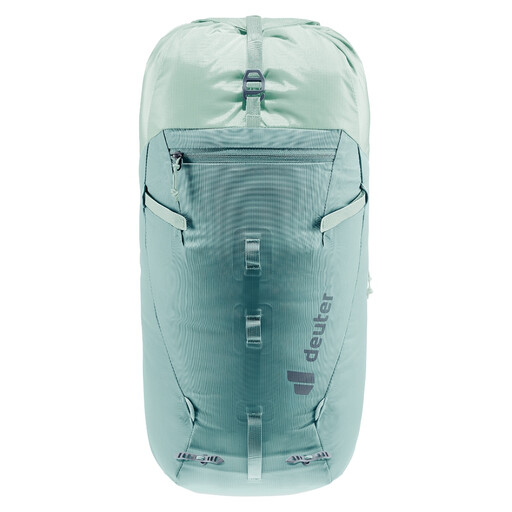
Why This Fits Their Persona: For someone tackling technical ascents in the Scottish Highlands or multi-day treks, every feature must be purposeful. This pack is built for durability and a precision fit on demanding terrain.
It directly addresses the "one-size-fits-all" fallacy. The 'SL' (Slim Line) design is engineered for the female form, with a shorter back system and narrower shoulder straps, ensuring a stable and comfortable fit that moves with you.
The rugged 420D nylon fabric offers high resistance to abrasion from rock and ice. Purpose-driven features like ice axe loops and trekking pole holders are essential for this user, not just marketing extras.
We have compiled a complete, real-time list of products that fully satisfy these strict selection criteria and UK safety regulations.
To maintain performance, clean your gear according to the manufacturer's instructions, which usually involves wiping with a damp cloth or a gentle machine wash with a specialised technical cleaner. Avoid standard detergents and fabric softeners, as they can clog the fabric's pores and strip the DWR coating. The DWR finish can be periodically reapplied with a spray-on or wash-in treatment to restore water repellency.
For many hikers, yes. Carbon fibre trekking poles are significantly lighter than their aluminium counterparts. This reduction in weight means less swing weight with every step, which can lead to a noticeable decrease in arm fatigue over a long day's hike. While aluminium poles are more durable against dents and bending, the weight savings of carbon fibre is a key advantage for long-distance trekkers and those looking to minimise their pack weight.
For casual walking where you can easily find shelter, a rating of 5,000mm may suffice for unexpected showers. However, for serious hillwalking and trekking in regions known for changeable weather like Scotland, Wales or the Lake District, a minimum rating of 10,000mm is highly recommended for both jackets and trousers to ensure you stay dry during prolonged periods of rain.