
24/7 全天候客户支持

免费退货

当日/次日达

品质保障

开启新人专享福利: 全场免邮 | 低至 2 折 | 免费试用 30 天 JoyPlus 会员
下载 Joybuy
By Joybuy Product Recommendation OfficerPublished on 27 August 2026
There is little more frustrating than being caught in a downpour halfway up a hill, only to discover your new 'waterproof' jacket is anything but. Choosing the right hiking gear can feel like navigating a minefield of technical jargon and marketing promises. Many of us have spent good money on equipment that either fails when needed most or proves to be uncomfortable and impractical for a typical walk in the British countryside.
Before you make your next purchase, it helps to be aware of a few common pitfalls. Many products are labelled 'water-resistant', a term that offers little protection against anything more than a light drizzle. Another frequent issue is the 'one-size-fits-all' backpack, which often lacks the specific adjustments needed for a comfortable fit, leading to sore shoulders and an unenjoyable trek. This guide will help you focus on the specifications that truly matter, ensuring your gear is a reliable companion for your adventures.
To make an informed decision, it's essential to look past the flashy labels and analyse a few core parameters. These objective metrics determine how a piece of outdoor clothing or equipment will actually perform.
The term 'waterproof' can be misleading without a number to back it up. This is measured by a Hydrostatic Head (HH) rating in millimetres (mm). This figure indicates how much water pressure a fabric can withstand before it starts to leak.
Equally important are taped seams. Without them, water can seep through the stitching, rendering a high HH rating useless. Always check that a product specifies "fully taped seams" for proper weather protection.
The weight of your gear has a significant impact on your enjoyment and endurance. Modern ultralight trekking equipment uses advanced materials to reduce weight without compromising on strength. For example, high-tenacity nylon fabrics offer excellent tear resistance at a fraction of the weight of traditional materials.
When choosing a lightweight hiking backpack or a 2 person camping tent, consider the packed size. A compact item is easier to carry and leaves more room for other essentials. However, be mindful of the trade-off; extremely lightweight gear can sometimes be less durable, so it's about finding a balance that suits your specific activity.
A backpack's comfort is determined by its fit, not just its padding. Look for key adjustment points:
Capacity, measured in litres, should match your plans. A 10-25 litre pack is often sufficient for a day hike, while multi-day treks may require 30-50 litres or more.
To help illustrate these points, here are a few product selections matched to common user needs.
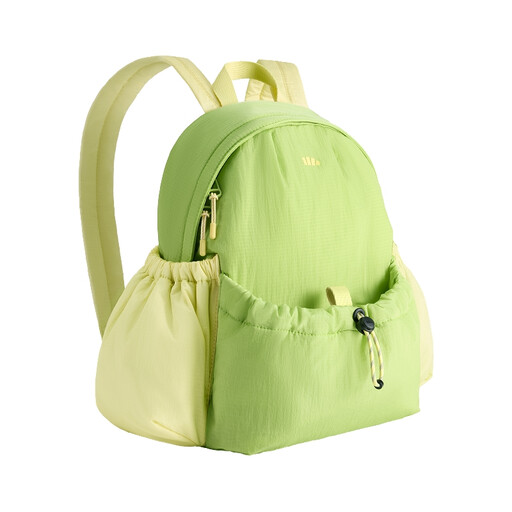
Why This Fits Their Persona: This pack is ideal for those who need a single bag for the daily commute and weekend walks in places like the South Downs or Epping Forest. Its sleek design fits in on city transport, while its lightweight build and weather resistance are practical for the trail.
It avoids the 'one-size-fits-all' trap by being specifically designed for lighter loads. The dual pressure-relief shoulder straps provide comfort for its intended capacity, rather than being an oversized pack with inadequate support.
Its capacity expands from 10L to 13L, offering flexibility for carrying an extra layer or groceries. At just 8.3 oz (approx. 235g), it is exceptionally lightweight.
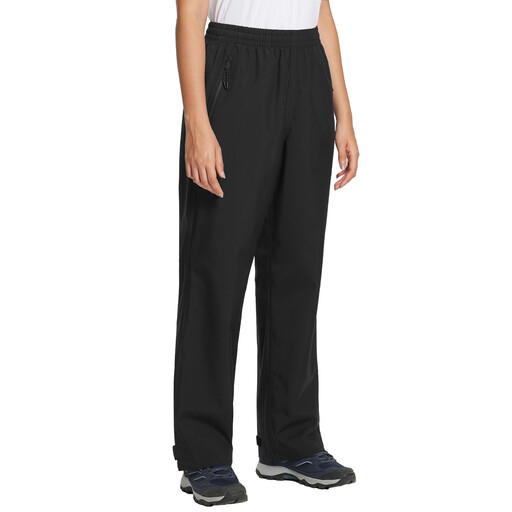
Why This Fits Their Persona: For the hiker who frequents the Lake District, Snowdonia or the Scottish Highlands, and knows that "sunny spells" can turn to downpours in minutes. These are serious women's walking trousers designed for unpredictable weather.
This product directly counters the 'waterproof' myth by providing a verifiable 10,000mm HH rating and specifying fully taped seams and waterproof zips. This is a technical specification, not a vague marketing claim.
It offers an excellent balance of waterproofing (10,000mm) and breathability (10,000 g/m?), which helps reduce internal condensation during strenuous climbs. The lightweight, packable design makes them easy to carry.
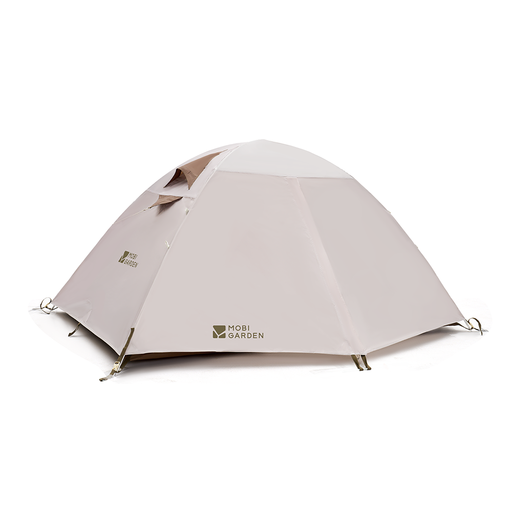
Why This Fits Their Persona: Perfect for couples or solo trekkers planning multi-day routes like the West Highland Way, where minimising pack weight is crucial. This 2 person camping tent provides reliable shelter without adding excessive bulk.
It avoids the trap of overpaying for expedition-grade features. It focuses on the core needs for 3-season UK camping: a practical waterproof rating (PU2000mm outer, PU4000mm groundsheet) and a low total weight.
The total weight is approximately 2.64 kg, and it packs down to a compact 41 x 16 x 16 cm, making it an excellent choice for backpackers prioritising low weight and volume.
We have compiled a complete, real-time list of products that fully satisfy these strict selection criteria and UK safety regulations.
To maintain performance, wash your waterproof gear sparingly. Use a non-biological liquid detergent or a specialised technical wash on a gentle, cool cycle. Afterwards, a low-heat tumble dry can help reactivate the Durable Water Repellent (DWR) coating. If water no longer beads on the surface, it may be time to re-apply a DWR treatment spray.
For most day hikes in the UK, a backpack with a capacity between 10 and 25 litres is ideal. This provides enough space for essentials like a waterproof layer, a spare fleece, water, food, a map and a first-aid kit, without being overly bulky or heavy.
Not necessarily. Instead of focusing on price, check that the tent's specifications match your intended use. For most 3-season UK camping, look for a tent with a minimum HH rating of 2000mm on the flysheet, a durable groundsheet and fully taped seams. A higher price often correlates with lower weight or suitability for extreme alpine conditions, which may be unnecessary for your trips.