
24/7 全天候客户支持

免费退货

当日/次日达

品质保障

开启新人专享福利: 全场免邮 | 低至 2 折 | 免费试用 30 天 JoyPlus 会员
下载 Joybuy
Navigating the British outdoors means being prepared for four seasons in one day. A glorious morning hike can quickly turn into a damp and chilly trek if you are caught without the right equipment. Choosing functional, durable and protective hiking gear is not about luxury; it is about ensuring your safety, comfort and enjoyment on the trail.
This guide is designed to help you select practical outdoor equipment without the marketing jargon. We will cover key features to look for in essential items and share some of our top recommendations for 2026 to help you make an informed choice for your next adventure.
Selecting the right gear can feel overwhelming. By focusing on a few key principles, you can build a reliable kit that serves you well across fells, forests and coastal paths.
Your boots are arguably the most critical piece of your trekking gear. The wrong pair can end a walk before it truly begins. For the varied UK terrain, look for a balance of support and comfort. A good pair of men's walking boots or women's equivalent should offer sturdy ankle support for uneven ground and a cushioned sole to absorb impact.
Consider the primary conditions you will face. Waterproof hiking boots with a breathable membrane are ideal for crossing damp fields or enduring sudden downpours, keeping your feet dry from the outside while allowing moisture to escape from the inside. This combination of waterproofing and breathable trail footwear technology is key to preventing blisters and discomfort on long hikes.
A reliable hat is a non-negotiable piece of kit. The British sun can be surprisingly strong, even on cloudy days, making a UPF 50+ sun hat a sensible choice for protecting your face and neck from UV radiation. Look for a wide brim that provides ample coverage.
Equally important is protection from the rain. Many modern hats are made from waterproof materials, offering a lightweight alternative to a full hood. A packable bucket hat is an excellent option, as it can be easily folded and stowed in a pocket or backpack, ready to be deployed when the weather turns.
Based on features that matter for UK conditions—like weather resistance, durability and practical design—here are our recommendations for the year ahead.
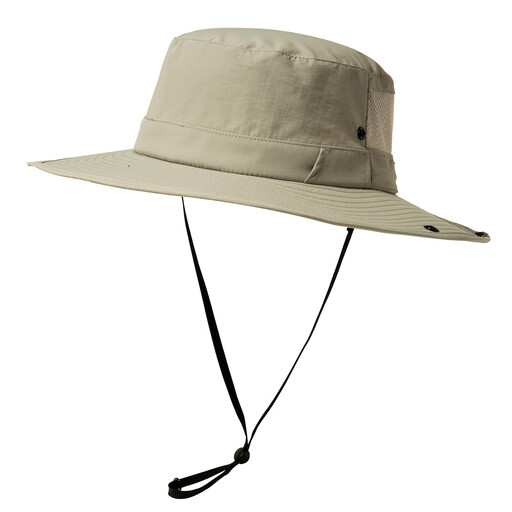
Why It Stands Out: This hat offers a practical two-in-one solution for unpredictable weather. The 100% waterproof nylon fabric provides reliable protection during a light shower, while the certified UPF 50+ rating shields you from the sun. Its breathable mesh side panels are designed to enhance airflow, keeping you cool during strenuous activity.
Pros:
Who is it for? This is a versatile choice for hikers, anglers and gardeners who need a single, reliable hat that can handle both sun and unexpected drizzles.
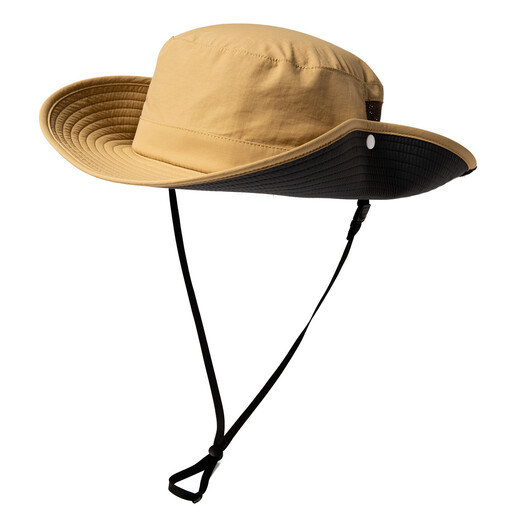
Why It Stands Out: This hat addresses a common frustration for those with long hair. The thoughtfully designed ponytail hole allows you to wear your hair up comfortably without compromising the hat's fit or security. Like its counterpart, it is made from waterproof nylon and offers UPF 50+ protection, making it a highly functional piece of fishing accessories or hiking apparel.
Pros:
Who is it for? Ideal for anyone with long hair who finds traditional hats cumbersome. It provides excellent sun and rain protection without getting in the way.
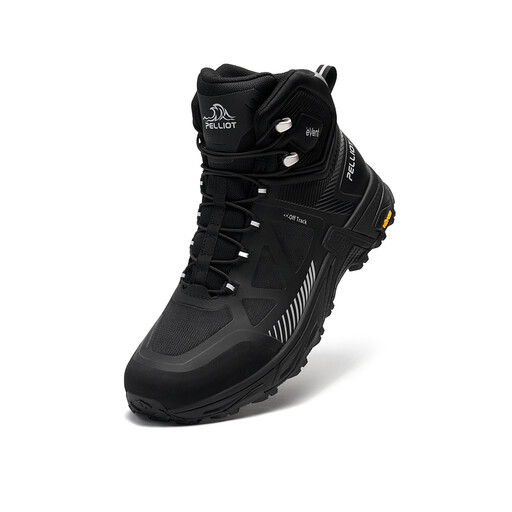
Why It Stands Out: These boots are engineered for challenging terrain. The design focuses on performance, with an aggressive lug pattern on the sole for outstanding grip on wet rock and muddy slopes. The upgraded Fitgo Quick-Lace System allows for precise, one-handed adjustments, eliminating the hassle of loose laces on the trail. A waterproof membrane and a protective toe cap complete this robust package.
Pros:
Who is it for? These men's walking boots are suited for serious hikers and trekkers who regularly tackle demanding UK trails and require footwear that delivers on grip, protection and durability.
The right layers underneath your outerwear are just as important for staying comfortable. A good base layer wicks moisture away from your skin, helping you stay warm and dry. If you are looking to complete your kit with functional apparel, consider exploring our range of tops designed for the trail.
Discover Our Collection of Hiking Tops
For a beginner, the three most important items are a pair of comfortable, broken-in walking boots; waterproof outerwear (both a jacket and trousers); and a well-fitting daypack to carry water, snacks, navigation tools and extra layers.
Always start by consulting the manufacturer's specific size chart. It is best to measure your foot length in the afternoon or evening, as feet tend to swell slightly throughout the day. Compare your measurement to the chart. If you fall between sizes, it is generally advisable to choose the larger size to accommodate thicker hiking socks and prevent your toes from hitting the front of the boot on descents.
Yes. Ultraviolet (UV) radiation can penetrate cloud cover, meaning you can still be exposed to harmful rays on overcast days. A hat with a certified UPF 50+ rating blocks more than 98% of UVA and UVB rays. This offers a crucial layer of protection during long days spent outdoors, whether you are hiking in the Peak District, gardening in your back garden or fishing on a loch.