
24/7 全天候客户支持

免费退货

当日/次日达

品质保障

开启新人专享福利: 全场免邮 | 低至 2 折 | 免费试用 30 天 JoyPlus 会员
下载 Joybuy
From the rolling hills of the Cotswolds to the rugged peaks of the Cairngorms, the UK offers a spectacular variety of landscapes for outdoor enthusiasts. But enjoying them safely and comfortably depends entirely on your equipment. Choosing the right hiking gear can feel overwhelming, with countless brands making bold claims. As a Joybuy Product Recommendation Officer, my role is to help you navigate the market and identify functional, reliable gear that truly meets your needs.
Before you spend your hard-earned money, it's crucial to be aware of a few common purchasing pitfalls that can leave you with equipment that fails when you need it most.
To avoid these traps, focus on a few core parameters that define a product's real-world performance. Understanding these will empower you to select trekking equipment that is fit for purpose.
For any breathable outdoor clothing or shelter, look for two key numbers.
A backpack's primary job is to carry weight comfortably. For anything more than a short walk with a water bottle and a snack, look for these features:
The right materials make all the difference. For clothing, look for women's quick dry shorts or trousers made from synthetic fabrics like nylon or polyester, which wick moisture away from the skin and dry quickly. For footwear, consider the terrain. Men's waterproof hiking boots with deep, aggressive lugs on the outsole provide superior grip on mud and loose ground, while a high-cut design offers ankle support on uneven paths. In summer, a wide-brimmed outdoor sun hat with a UPF rating provides essential protection.
Based on these practical criteria, here are a few items matched to different types of hikers.
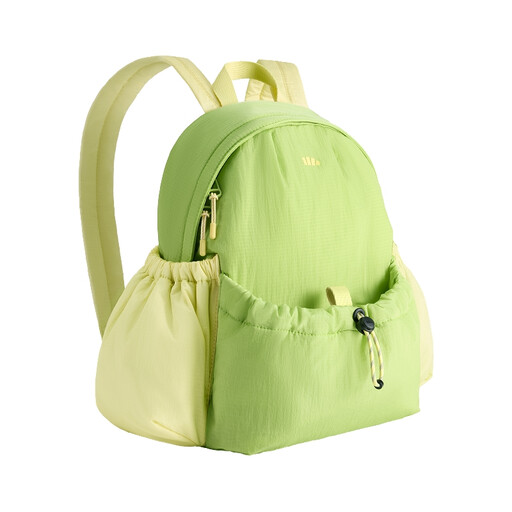
Why This Fits Their Persona: Ideal for day trips and casual hikes, this pack is light and compact but offers a clever expandable design that increases capacity by 30%—perfect for stowing an extra layer or snacks picked up along the way. Its water-resistant fabric handles unexpected light showers.
It avoids the "ultralight compromise" by providing a genuinely lightweight design that remains durable for everyday use, without the high cost or fragility of specialised technical packs.
Expandable capacity offers versatility for commuting or short trips. The pressure-relief shoulder straps enhance comfort for carrying essentials all day.
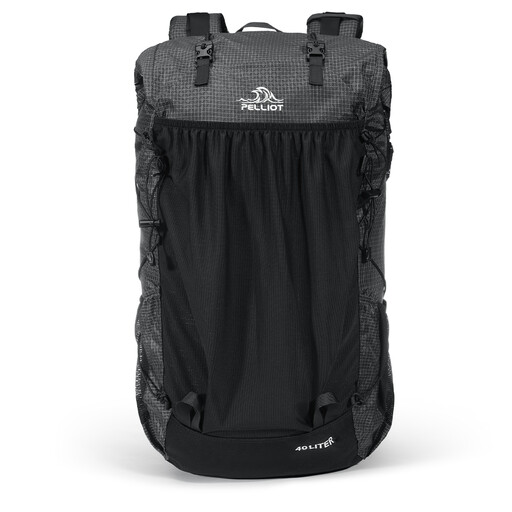
Why This Fits Their Persona: This 40L pack is built for multi-day hikes. Its internal alloy frame and dynamic harness system are designed to transfer weight efficiently, making it suitable for carrying gear for 2-3 days in demanding environments like the Peak District or Snowdonia.
It directly counters the "ignoring the fit system" trap. The pack features a scientific load distribution frame and an adjustable harness, ensuring the weight is carried on the hips, not the shoulders, for greater comfort over long distances.
The 3D breathable cushioning system with an ergonomic back panel helps keep your back cool and dry. Multiple attachment points allow for carrying trekking poles and other external gear.
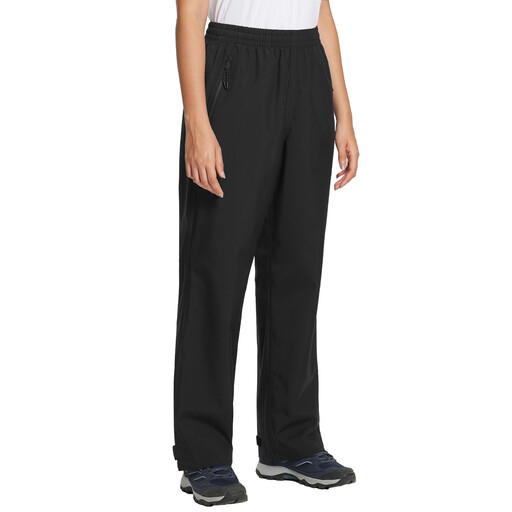
Why This Fits Their Persona: For those who refuse to let rain stop play, these overtrousers offer serious weather protection. The high waterproof and breathability ratings mean they can handle a proper storm while preventing you from overheating on strenuous ascents.
This product demolishes the "waterproof illusion" by providing clear, high-performance specifications (10,000mm HH / 10,000g/m? MVTR) and construction details like fully taped seams and waterproof zips, ensuring genuine protection.
Lightweight and packable design makes them easy to carry. The inner membrane is designed for comfort against the skin, avoiding the sticky feeling of some lower-quality rainwear.
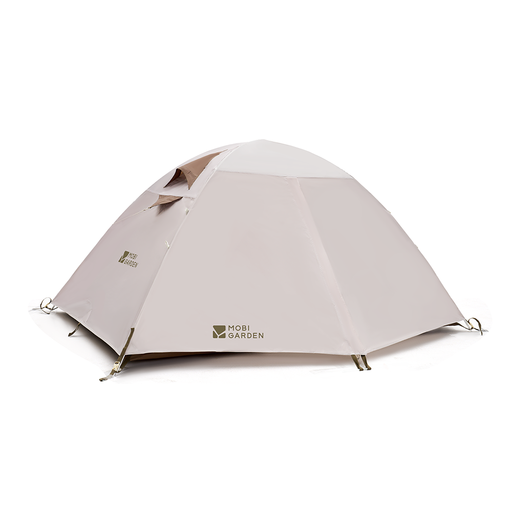
Why This Fits Their Persona: This lightweight **2 person camping tent** is a solid choice for backpackers and weekend campers. Its packed size is compact, and the total weight of approx. 2.64 kg is manageable for carrying over distances. It provides reliable shelter for two people on hiking trips.
It provides clear waterproof ratings (PU2000mm for the outer tent, PU4000mm for the inner), giving you a factual basis for its performance against rain and ground moisture, rather than vague marketing terms.
The aluminium alloy frame is both lightweight and strong. The highly waterproof groundsheet is particularly useful for preventing morning dew from seeping through.
We have compiled a complete, real-time list of products that fully satisfy these strict selection criteria and UK safety regulations.
How do I care for my waterproof hiking gear? To maintain performance, always follow the manufacturer's care instructions. Generally, this involves washing with a specialised technical wash, not standard detergent which can strip the DWR (Durable Water Repellent) coating. After washing, you can often reactivate the DWR by tumble drying on a low heat or by reapplying a DWR spray-on or wash-in treatment periodically.
Are adjustable walking poles worth the investment? For many hikers, yes. Adjustable walking poles provide significant benefits, especially on long descents or when carrying a heavy pack. They improve stability on uneven ground, reduce the strain on your knees and joints and can help you maintain a good rhythm. Look for poles made from lightweight aluminium with secure locking mechanisms and comfortable grips.
What is the main difference between a hiking boot and a hiking shoe? The primary difference is ankle support. Hiking boots typically have a mid or high-cut design that wraps around the ankle, providing more support and protection on rocky, uneven terrain. Hiking shoes are low-cut, like a trainer, offering more flexibility and less weight. Shoes are excellent for well-maintained trails and faster-paced day hikes, while boots are generally preferred for multi-day treks, carrying heavier loads or hiking in rugged conditions.