
24/7 Customer Support

Free returns

Same-day & Next-day Delivery

Quality Guaranteed

Unlock Your Welcome Offers: FREE Delivery | Up to 80% OFF | Free 30-day JoyPlus trial
Download the APP
A walk across wet moorland, a weekend under canvas or a steep mountain route can expose weak outdoor equipment quickly. A jacket may repel light showers but leak through its seams, hiking shoes may feel comfortable indoors but slip on muddy ground, and a sleeping bag may pack neatly while offering little protection from cold air.
The key is to compare usable specifications, not just promotional wording. This guide explains the main buying traps and the practical features to check when choosing hiking and outdoor gear for UK conditions.
“Water-resistant” usually indicates protection against light moisture, splashes or brief showers. It does not necessarily mean an item is designed for prolonged rain. This distinction matters when comparing a waterproof hiking jacket, rain poncho or waterproof trousers.
Look for details such as taped seams, a stated waterproof rating and protective closures around zips and cuffs. A water-resistant outer layer may still be useful for short walks, but regular hikers in Wales, Scotland or northern England may need more comprehensive rain protection.
Hiking shoes need to suit both your feet and the terrain. A narrow fit, limited toe space or a smooth outsole can become uncomfortable on long routes. Product sizing can also vary, so check the seller’s measurements and wear the socks you plan to use outdoors.
Consider:
Low weight is valuable when carrying camping accessories or travelling, but a very light product may have fewer support features or less insulation. For example, a compact camping sleeping mat may be convenient for backpacking, while a thicker model can provide more separation from uneven ground.
Balance packed size, weight, durability and intended use rather than selecting based on one figure.
For jackets and trousers, check whether the listing specifies a waterproof rating in millimetres. A 10,000 mm waterproof rating, for example, is a useful comparison point, although fit, seam construction and garment design also affect real-world performance.
The Ochama Pangolin 500 Series stretch jacket lists a waterproof membrane, moisture permeability and a T800 stretch outer layer. Its care instructions also advise cold washing, avoiding fabric softener and reapplying durable water-repellent treatment as needed.
For sudden showers, a reusable rain poncho can provide an additional layer over clothing and a backpack. Check hood adjustment, pocket design, storage size and whether the material can be dried fully before storage.
Trekking poles should be adjustable to your height and terrain. The locking mechanism must engage securely, and the shaft should be checked before every walk. Pole tips also matter: hardened tips can suit dirt and gravel, while rubber covers are more appropriate for paved surfaces.
The supplied specifications for the SUCOJIA trekking poles state an extended length of 125 cm, a folded size of 34 cm and a weight of 275 g. The Mobi Garden pole extends to 135 cm, uses a three-section design and includes a tungsten-carbide tip, rubber cover and mud basket.
Use poles as walking supports rather than placing your full body weight on them. Replace any pole showing cracks, deformation or a locking failure.
When choosing a sleeping bag, consider the expected temperature, your sleeping position and the space available in your tent. An envelope-style sleeping bag can offer more room to move, while insulation type and construction influence packability and warmth.
A sleeping mat is equally important. The VXOYO camping sleeping pad measures 192 x 58 x 15 cm, weighs 690 g and packs to approximately 26 x 10 cm. It includes a built-in pillow and foot pump. The manufacturer’s instructions advise checking and tightly closing the valves, wiping the mat clean and drying it completely before storage.
For clothing, thermal hiking leggings can work as a flexible base layer, while insulated outdoor trousers may be more suitable for cold, windy activities. Check whether the outer fabric is water-resistant or waterproof; these terms should not be treated as interchangeable.
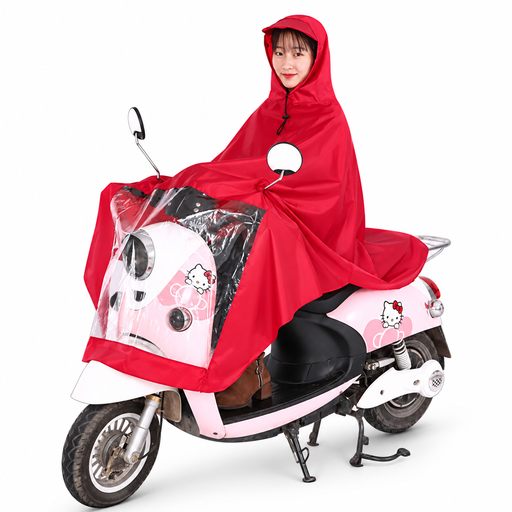
Why This Fits Their Persona: A practical starting layer for occasional hikers, festival visitors, cyclists and travellers who want rain cover without carrying a bulky garment.
Its reusable, foldable format with a storage bag addresses the common problem of carrying rainwear that is difficult to pack after use.
Hood, pockets, reusable construction and compact storage bag.
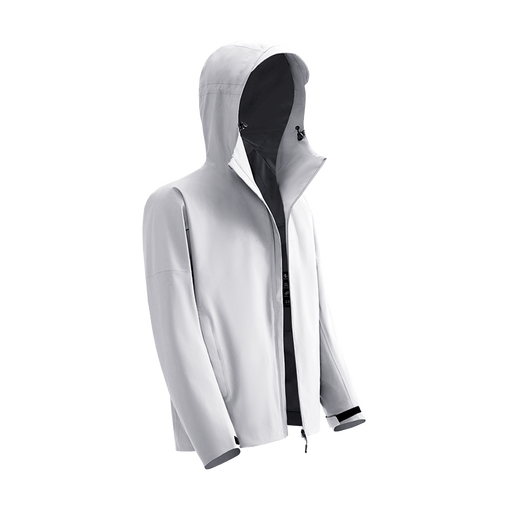
Why This Fits Their Persona: Suitable for walkers and outdoor users seeking a stretch hard-shell layer for changeable UK weather and active movement.
The listing identifies the outer material, waterproof membrane and care requirements, making it easier to assess beyond vague “weatherproof” wording.
T800 stretch outer layer, waterproof membrane and moisture-permeable construction.
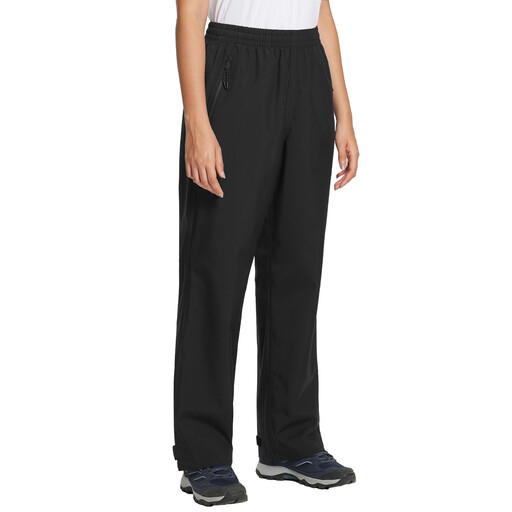
Why This Fits Their Persona: A functional choice for frequent walkers, cyclists and hikers who need overtrousers for wet, windy conditions.
The listing provides waterproof and breathability ratings, fully taped seams and waterproof zips rather than relying only on a broad rainwear label.
10,000 mm waterproof rating, 10,000 g/m² breathability rating, taped seams and adjustable hems.
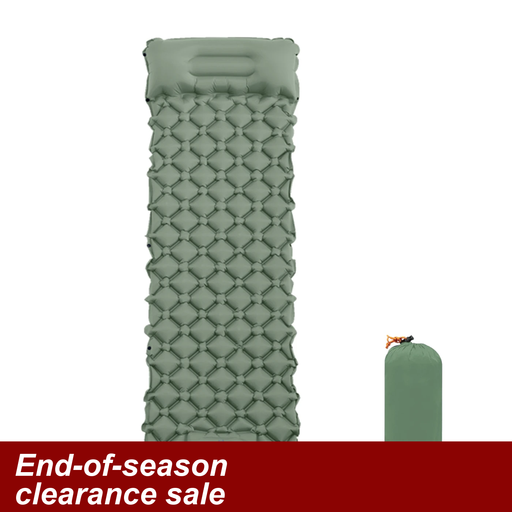
Why This Fits Their Persona: Useful for new campers and travellers wanting a compact single mat with integrated inflation features.
The stated dimensions, packed size, weight and valve instructions help buyers judge portability and setup before ordering.
15 cm thickness, built-in pillow, foot pump, 690 g weight and 26 x 10 cm packed size.
Your clothing and equipment should work as a system. Men’s hiking gear and women’s hiking gear can include different cuts and sizing, but the same practical checks apply: freedom of movement, secure storage, weather protection and compatibility between layers.
A sensible kit may include:
Check product instructions, care labels, sizing information and delivery details before purchasing. Equipment should also be inspected before each trip, particularly footwear soles, pole locks, jacket closures and inflatable-mat valves.
We have compiled a complete, real-time list of products that fully satisfy these strict selection criteria and UK safety regulations.
Start with comfortable hiking shoes, weather protection and a small backpack. Add trekking poles if your routes include steep or uneven ground. For overnight trips, prioritise a sleeping bag and camping sleeping mat suited to the expected conditions before adding non-essential camping accessories.
Lifespan depends on frequency of use, terrain, maintenance and storage. Dry waterproof clothing fully before storing it, follow the washing instructions and renew durable water-repellent treatment when appropriate. Clean grit from trekking-pole sections and inspect footwear, seams, valves and fasteners regularly.
Purchase price is only one part of the cost. Durable, repairable or washable items may reduce replacement frequency, while poor maintenance can shorten the life of products at any price. Compare care requirements, replacement parts, warranty information and suitability for your usual UK activities before deciding.