What matters when choosing
Decide whether you need warmth throughout the hobby room, at one work position or over a long seated session. Then check whether the heater can be placed and powered safely among your materials.
| Concern | What to check | Who this matters to |
|---|
| Room-wide warmth |
Check the maker's room-size guidance and thermostat, alongside insulation and draughts. Dimplex notes that convectors work more effectively in insulated rooms. |
If I move between projects, I want the room air warmed rather than just my chair; around 30% of consumers put room-wide warmth first. |
| Workstation warmth |
Check whether an infrared panel has a clear line of sight to your usual position and whether its mounting arrangement suits the room. |
When I stay at one bench, warmth where I sit matters more to me than raising the air temperature everywhere; roughly 30% of consumers prioritise that work zone. |
| Long-session comfort |
Consider warm-up time, thermostat controls, moving weight and space around hot surfaces before choosing an oil-filled radiator. |
For a long, quiet craft session, I can wait for the heater to warm up if it suits the time I spend seated; about 20% of consumers put sustained warmth first. |
| Safe placement and control |
Check clearance from hobby materials, plug and cable suitability, and whether the controls fit your session length. Electrical Safety First warns against overloaded extension leads. |
With paper, fabric or tools close by, I need a clear place for the heater and a suitable electrical connection; around 20% of consumers make safe, controllable use their primary concern. |
Joybuy heater choices
These portable convectors, oil-filled radiators and a ceramic fan heater offer different ways to add heat during hobby-room sessions. Check room heat loss, safe placement and the plug supplied with the exact variant before choosing.
 No image available
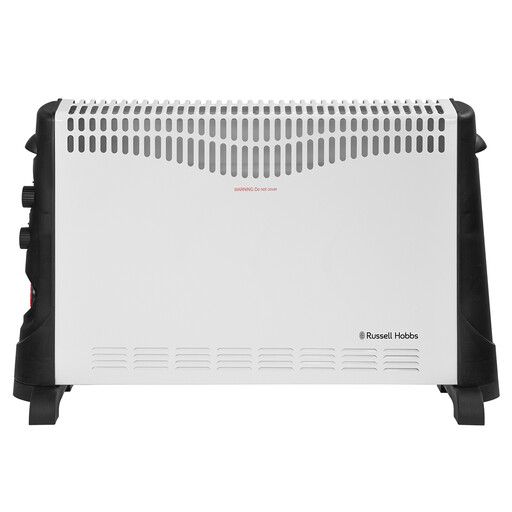
Russell Hobbs RHCVH4002 (EU) 2 kW Convector Heater
Consider this convector if you move around the room and want to heat its air; Dimplex cautions that convectors work more effectively in insulated rooms.
The listed variant is rated at 2 kW. Check the required clearances and confirm the plug and mains connection for this EU-labelled variant before buying.
View on Joybuy
 No image available
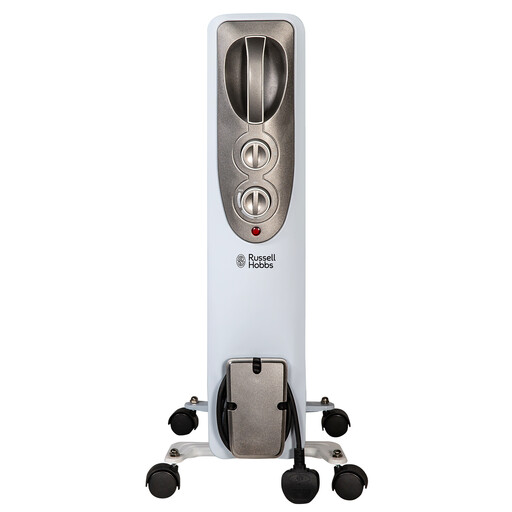
Russell Hobbs RHOFR5002 2 kW Oil-Filled Radiator, 9 Fins
This oil-filled option suits consideration for a longer session if you can allow for slower warm-up and keep its surfaces clear of hobby materials.
The listed variant has nine fins and a 2 kW rating. Check the room guidance, required clearance and supplied plug rather than relying on the power rating alone.
View on Joybuy
 No image available
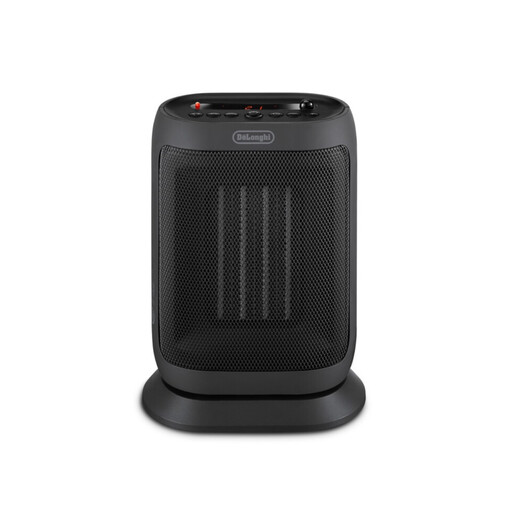
De'Longhi Capsule You & Me 2000 W Ceramic Fan Heater, Dark Grey
Consider a portable fan heater if you want an alternative to a convector or oil-filled radiator for supplementary warmth during a session; check whether its fan suits activities where noise matters.
The product name specifies oscillation, a remote, ECO control and a 24-hour timer. Confirm the room guidance, cable reach and supplied plug for your intended position.
View on Joybuy
 No image available
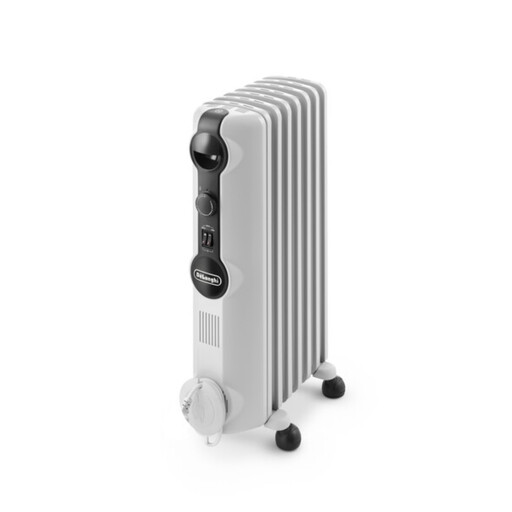
De'Longhi Radia S TRRS0715 1500 W Oil-Filled Radiator, 7 Fins
This oil-filled radiator is worth considering for a longer seated session when you can accommodate slower warm-up and hot surfaces.
The TRRS0715 variant is rated at 1500 W and has seven fins and mechanical controls. Check room suitability, whether a timer is included and the supplied plug before buying.
View on Joybuy
 No image available
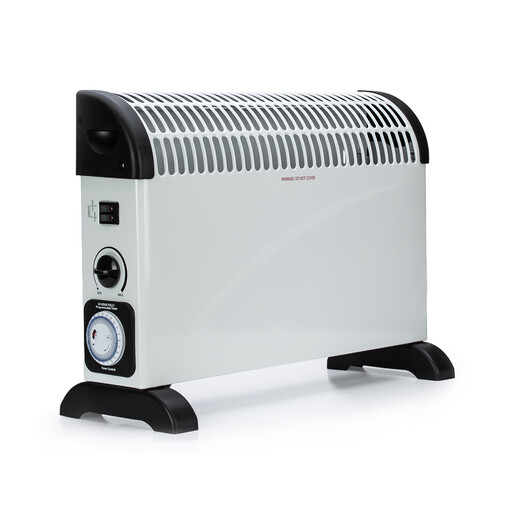
Status 2000 W Convector Heater, 3 Heat Settings
Consider this convector for room-air heating when you move between hobby tasks, provided the room can retain warmth and has a clear place for it.
The product name specifies three heat settings and an adjustable thermostat. Check the room guidance, whether the named timer is included and the supplied plug before buying.
View on Joybuy
Common questions
Will a heater stop condensation on my hobby-room walls?
No: heating may improve comfort, but it does not remove the source of moisture or replace ventilation. UK government guidance explains that trapped moisture can condense on cold walls; investigate recurring damp, mould or staining separately.
Should I heat the whole room or just my workbench?
Choose room-air heating if you move around an enclosed room; consider infrared if you mainly stay at a bench in direct view of the panel. Energy Saving Trust explains that infrared warms surfaces it reaches, so check where you will actually sit or stand.
Does an oil-filled radiator suit a long craft session?
It can suit a longer session if you can allow for slower warm-up and safely accommodate hot surfaces. De'Longhi says the oil in its Radia S TRRS0920 releases heat for a while after switch-off; check the controls and space needed for the exact model you choose.
Can I use an extension lead for a portable heater?
Use a suitable wall socket where possible. If an extension is unavoidable, Electrical Safety First advises checking its rating against the combined load, fully unwinding a cable reel and avoiding daisy-chained leads.
What should I check before placing a heater in a hobby room?
Make room for the appliance's required clearances and keep it away from paper, fabric, furniture and other hobby materials. Follow its instructions, check the plug and cable, and do not use a portable heater to dry clothes; Electrical Safety First advises keeping heaters away from flammable materials.


