Space-conscious film watcher
If you want TV sound without placing speakers around the room, a soundbar is the relevant route. Sonos and Yamaha offer models with dialogue controls; check whether you also have space for a separate subwoofer.


Choose the system layout before comparing features: a soundbar suits a tidy TV setup, active stereo speakers suit a main listening seat with room to separate two speakers, and a receiver with separate speakers suits a room that can accommodate surround placement. Check the TV’s HDMI ARC or eARC connection, the available speaker positions and whether low-volume dialogue or bass matters most to you.
If you want TV sound without placing speakers around the room, a soundbar is the relevant route. Sonos and Yamaha offer models with dialogue controls; check whether you also have space for a separate subwoofer.
If you can position two speakers apart on either side of the TV and usually listen from one main seat, active stereo speakers offer a way to prioritise left-right presentation alongside films and music. KEF specifies HDMI ARC on the LSX II for TV connection.
If you can place speakers around the listening seat and accommodate cables and setup, a receiver-led system makes a physical surround layout possible. Dolby notes that speaker placement affects the result, while Denon specifies several surround configurations for the AVR-X1800H.
For film soundtracks, decide whether physical surround placement, a compact TV setup or separated stereo listening is your priority. Then check whether your room and TV can support that choice.
Choose it when: You want TV-centred sound without positioning several speakers around the seat.
Trade-off: Soundbar-based spatial effects do not place separate surround and height speakers around the room.
Choose them when: You have a main listening seat and practical positions for two speakers apart from one another.
Trade-off: A two-speaker stereo layout does not itself provide dedicated centre, rear-surround or height speakers.
Choose it when: The room allows speakers to be positioned around the main seat for a physical surround layout.
Trade-off: The layout requires separate speakers, cable runs and more placement work; a receiver alone is not a complete system.
| Concern | What to check | Who this matters to |
|---|---|---|
| Physical surround placement | Map positions around the main seat for the speakers in your intended layout; check the receiver’s channel configuration against that layout. | If effects need to come from speakers around my seat, I need room for more than a front-of-TV unit. Roughly 42% of consumers put physical surround placement first. |
| Compact setup and dialogue | Check the TV’s HDMI ARC or eARC connection and whether the chosen model offers the dialogue or low-volume controls you want. | When the hobby room also serves other activities, I want to keep the TV area clear and follow dialogue at restrained volume. About 33% of consumers prioritise that simpler setup. |
| Separated stereo listening | Check left and right speaker positions around the main seat, plus the TV connection required by the chosen speakers. | If I use one main seat for soundtrack music as well as films, I want space to separate the two speakers. Around 25% of consumers make stereo placement their primary concern. |
A soundbar and a system with separate speakers around the seat use different physical layouts. Dolby says placement affects the result of an Atmos speaker setup.
Decide whether you want a front-of-TV system or speakers physically placed around the main seat before choosing by format support alone.
Sonos specifies HDMI ARC or eARC for Atmos playback on the Beam (Gen 2). The connection and source settings can therefore affect whether a desired format works.
Check the TV manual and labelled ports, then compare the chosen speaker’s connection requirements with your source devices.
Denon’s AVR-X1800H is a receiver, not a package containing every speaker needed for its supported surround layouts.
Plan the speakers, subwoofer, cables and positions for your intended configuration before choosing a receiver.
Two active speakers need useful separation relative to the main listening position for the stereo presentation that makes this route relevant. KEF describes the LSX II’s presentation with its speakers positioned apart.
Measure the available left and right positions around the TV and main seat before committing to a stereo setup.
A reference point for compact, TV-centred soundbars when dialogue controls and low-volume listening matter.
A reference point for a TV-centred soundbar setup with a separate wireless subwoofer.
A reference point for active stereo speakers when two-speaker placement and a main listening seat are practical.
A reference point for a receiver-led system where the room can accommodate separate speakers.
These TV-centred soundbars are choices to consider if a soundbar suits your hobby room. Compare the space needed for the bar and any subwoofer, then check your TV connection and preferred audio formats.
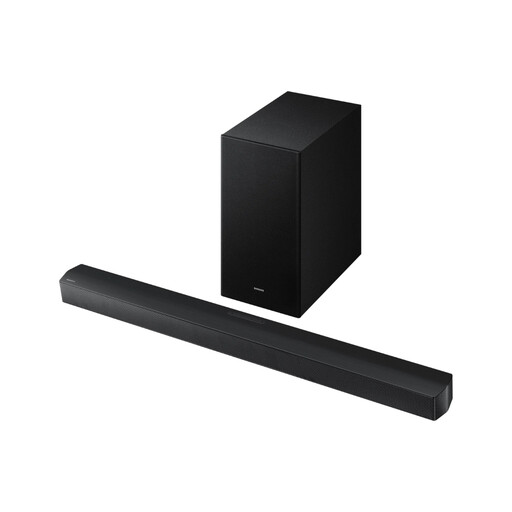 No image available
Consider this TV-centred option if you want a soundbar and separate subwoofer without planning a receiver-led speaker layout.
The product name specifies a 3.1-channel soundbar with a wireless subwoofer. Check space for both units and confirm the TV connection and audio formats you intend to use.
 No image available
Consider this model if a single TV-centred soundbar fits your preferred room layout.
Check the available shelf or mounting space, your TV’s connection and the exact package contents before choosing it for the hobby room.
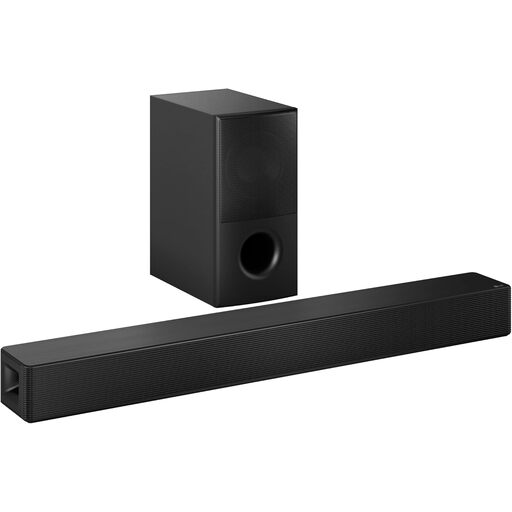 No image available
Consider this option if you want a TV soundbar with a separate subwoofer rather than speakers positioned around the seat.
The product name lists a 2.1-channel configuration, a 320W rating and a wireless subwoofer. Confirm that the bar and subwoofer fit your room and that the supported connections meet your needs.
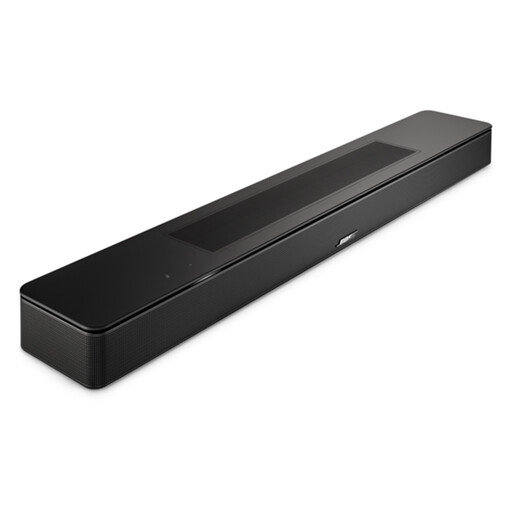 No image available
Consider this soundbar when a compact TV-centred arrangement matters more than placing speakers around the listening seat.
Check its dimensions against the TV area and confirm the connection and package contents needed for your intended setup.
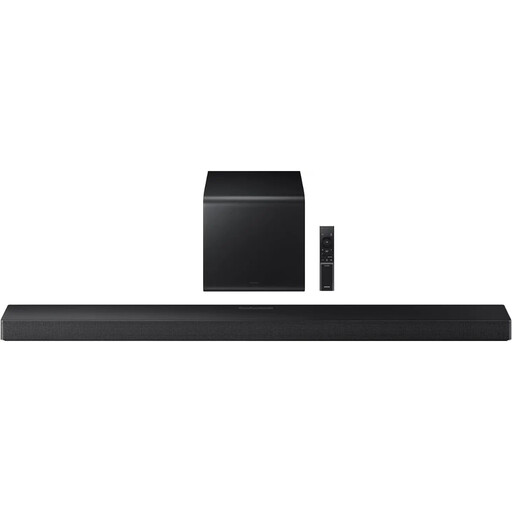 No image available
Consider this TV-centred system if you can accommodate both a soundbar and subwoofer but do not want a receiver-led installation.
The product name specifies a 3.1.2-channel configuration. Check your TV model and connection requirements for the audio features you intend to use; the soundbar does not place separate rear speakers around the seat.
Not for every TV-audio setup; the connection you need depends on the model and intended format. Sonos says Beam (Gen 2) needs HDMI ARC or eARC for Dolby Atmos playback, so check both the soundbar’s requirements and your TV’s labelled ports before buying.
No format label guarantees that result. Dolby says speaker placement affects playback, so choose a layout the room can accommodate around the main seat and check that your content and connected equipment support the intended format.
Choose active stereo speakers if you can place two speakers apart around a main listening seat and value stereo presentation for music as well as films. KEF specifies HDMI ARC for the LSX II, but a two-speaker arrangement does not itself add dedicated rear-surround or height speakers.
For electrical equipment supplied in Great Britain, check the product information and safety instructions relevant to the exact model. The Office for Product Safety and Standards explains that the Electrical Equipment (Safety) Regulations 2016 set requirements before electrical equipment is placed on the GB market; check applicable conformity information for the product rather than assuming a listing establishes compliance.