What matters when choosing?
Decide whether the cottage needs fresh-food space more than an icebox, then check the available space and how you will monitor the fridge temperature.
| Concern |
What to check |
Who this matters to |
| Reliable chilling |
Use a fridge thermometer to check for 0–5°C, as GOV.UK advises. Allow space around food for air to circulate. |
When I prepare fruit salad before guests arrive, I need to know it stays chilled rather than trust a numbered dial. Around 40% of consumers put reliable chilled storage first. |
| Fit and capacity |
Measure width, height, depth and door clearance; compare fresh-food volume with the space your covered containers need. |
If the kitchen gap is tight, I need a fridge that fits without leaving too little room for guests’ groceries. Around 30% of consumers put fit and usable capacity first. |
| Everyday use |
Check door-hinge options, shelf arrangement, defrost type and the model’s installation instructions. |
Between stays, I want guests to reach their food easily and the fridge to be straightforward to manage. Around 30% of consumers make flexible, low-maintenance use their main concern. |
Joybuy fridges for this use
These undercounter fridges offer different ways to use a limited cottage kitchen space. Compare their stated dimensions and storage arrangements before deciding whether one can accommodate fruit salad and guests’ groceries.
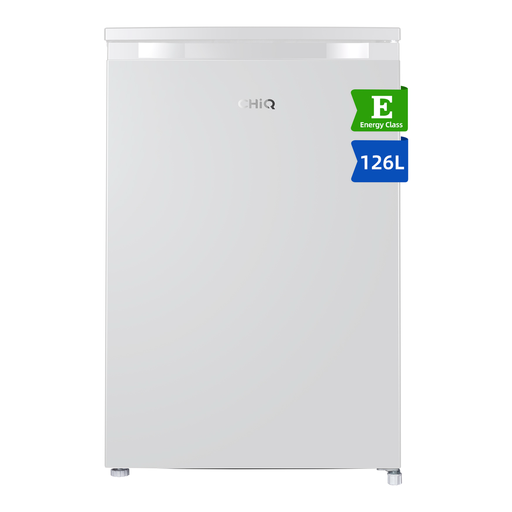 Image unavailable
CHiQ JKR120DWE 126L 55cm undercounter larder fridge
Consider this larder fridge where a 55 cm-wide position can accommodate chilled food for guests alongside prepared salad.
The product name specifies 126 L capacity and an E energy rating. Check the full installation dimensions and ventilation instructions, then verify 0–5°C in use with a fridge thermometer.
View on Joybuy
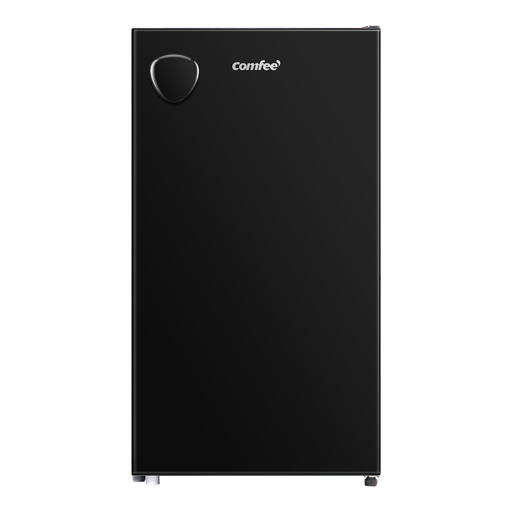 Image unavailable
COMFEE' RCD92BL2UKY(E) 88L undercounter fridge with cooler box
Consider its 88 L capacity for modest chilled-storage needs, provided the appliance and your containers fit the available space.
The product name specifies an adjustable thermostat, reversible door and removable glass shelves. The listing cautions against leaving items in its separate cooler zone for over two hours to avoid freezing; keep prepared fruit salad in the main chilled compartment and check its temperature with a thermometer.
View on Joybuy
 Image unavailable
Hisense RL170D4BWE 55cm undercounter larder fridge
Consider this larder fridge for a 55 cm-wide position if its confirmed storage space will hold the expected salad containers and guest groceries.
The product name gives an E energy rating. Capacity figures for this model conflict: the title states 132 L, while the specification table states 170 litres. Confirm the correct figure before comparing capacity, check installation clearance, and verify the fridge temperature in use.
View on Joybuy
Questions about cottage fridges
What temperature should the fridge be for prepared fruit salad?
Keep the fridge at 0–5°C and verify its temperature with a fridge thermometer, as GOV.UK advises. Check it under the cottage’s actual conditions rather than assuming a dial setting represents degrees Celsius.
Should I choose a larder fridge or one with an icebox?
Choose a larder fridge when chilled salad and groceries are the priority and frozen storage is available elsewhere or unnecessary. If the cottage needs an icebox, compare the stated fridge-compartment volume rather than total appliance volume, because the icebox occupies space that cannot hold chilled containers.
Can an integrated fridge go in any undercounter cupboard?
No. The cupboard must suit the appliance’s dimensions, hinge arrangement and ventilation instructions. Electrolux’s guidance for integrated cooling appliances specifies at least 200 cm² of ventilation at both the top and bottom of cabinetry; check the requirements for the exact model you choose.
What should I compare on an energy label?
Compare the energy label alongside the fridge’s dimensions and stated chilled-food volume, rather than choosing by the label alone. GOV.UK says that products covered by UK energy-information requirements must display an energy label at the point of sale, including on websites.


