Cottage owners replacing a fitted oven
Need an oven for gratin and everyday guest cooking that fits the existing cabinet and electrical installation. Cleaning between stays also matters.


For a holiday cottage with a suitable cabinet and electrical supply, a fitted fan oven is a practical choice for potato gratin. Choose a double oven if separate dishes regularly need different temperatures; consider a countertop oven only when the dish, worktop space and electrical arrangement suit it. Check installation requirements and cleaning needs before choosing a model.
Need an oven for gratin and everyday guest cooking that fits the existing cabinet and electrical installation. Cleaning between stays also matters.
May need room for a gratin alongside other dishes, or separate cavities when those dishes require different temperatures.
May consider a countertop oven when fitting an appliance is impractical, provided the gratin dish, worktop and socket arrangement are suitable.
Start with the installation the cottage can accommodate, then decide whether cooking one gratin or several dishes at once is the greater need.
Consider it when: The cottage has a suitable fitted location and one main cavity meets the usual cooking needs.
Trade-off: It cannot keep dishes at different oven temperatures in separate cavities.
Consider it when: Group meals regularly call for a gratin and another dish to cook separately.
Trade-off: The existing opening may not suit a double-oven format, and two cavities mean more surfaces to clean.
Consider it when: A fitted installation is impractical and a suitable worktop and electrical supply are available.
Trade-off: Check the internal space against the gratin dish rather than assuming a compact cavity will take it.
| Concern | What to check | Who this matters to |
|---|---|---|
| Even cooking | Look for a fan setting and, where available, independent tests of heat distribution and temperature accuracy. Which? assesses these separately. | I want the centre of the gratin cooked without pronounced hot spots on top. Around 26% of consumers put predictable cooking first. |
| Fit and electrical supply | Check the exact cabinet opening, installation clearances and whether the model needs a plug or fixed connection. | If I am replacing a fitted oven, an incompatible opening or connection could rule out my choice. For around 26% of consumers, fit and electrical readiness are the primary concern. |
| Group-meal capacity | Compare usable cavity space and shelf layout; decide whether one larger cavity or two separate cavities better suits the menu. | When I cook gratin alongside another dish, space and separate temperatures matter more than extra programmes. Around 21% of consumers prioritise group-meal capacity. |
| Cleaning | Check the stated cleaning features and how the door, shelves and cavity must be cleaned after cooling. | I need to clear baked-on food before the next cottage stay without treating a cleaning aid as a substitute for upkeep. Cleaning and handover are the main concern for around 16% of consumers. |
| No-installation use | Measure the dish and rack space, and check the countertop model’s placement and electrical instructions. | If fitting an oven is impractical, I need a compact setup that can actually hold my dish and be used safely. Around 11% of consumers put avoiding permanent installation first. |
Beko lists the BBXIF243 single oven at H59.5 × W59.4 × D56.7 cm, while Bosch lists the MBA533BB3B double oven at 888 × 594 × 550 mm. Exterior size alone does not establish whether either fits a particular cabinet.
Measure the opening and check the exact model’s installation instructions, clearances and connection requirements before ordering.
Electrical Safety First warns that an oven can overload an extension lead shared with other large appliances.
Follow the appliance’s electrical instructions and seek qualified advice if the available socket or circuit is uncertain.
A double oven helps when dishes need separate temperatures or timings, but it does not remove the need to check installation space and electrical requirements.
Choose the cavity arrangement around meals the cottage regularly needs to serve, not the number of ovens alone.
Cleaning features do not replace routine care. Electrical Safety First advises letting an oven cool before cleaning it.
Follow the exact model’s cleaning instructions and allow time for safe cleaning between stays.
The BBXIF243 illustrates Beko’s fitted single-fan-oven route, with a stated 72 L cavity.
The MBA533BB3B Series 4 illustrates a built-in double oven for buyers considering separate cooking spaces.
The FCI7D405X illustrates a built-under double-oven arrangement with separate cavities.
These fitted single and double ovens are options to compare for a holiday-cottage kitchen. Check the installation requirements of each model before choosing one; a countertop setup calls for different space and electrical checks.
 No image available
Consider this double-oven format when the cottage regularly needs a gratin and another dish cooked separately.
Check the cabinet opening and electrical connection against the exact installation instructions; the stated 90 cm size does not establish fit.
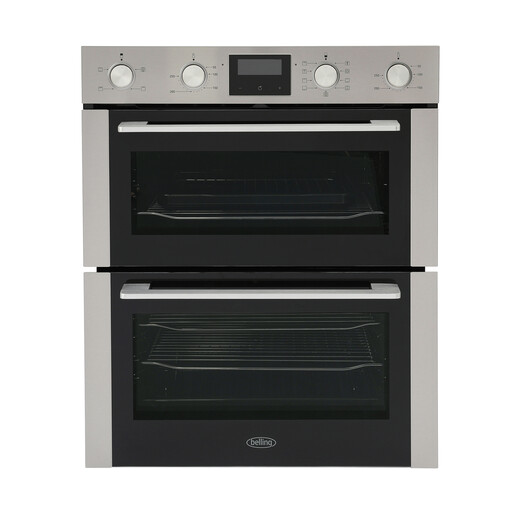 No image available
Consider this built-under option if a fitted cottage kitchen needs separate cooking spaces.
Before ordering, confirm the required cabinet opening and electrical connection in the model’s installation instructions.
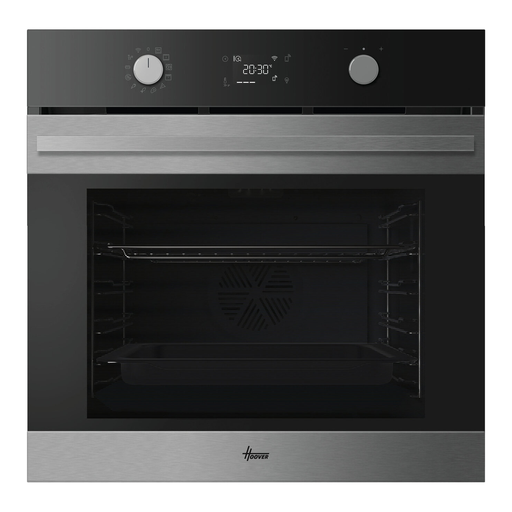 No image available
This single-oven format is worth considering when one cavity suits the cottage’s usual meals.
Confirm whether this exact model includes the advertised pyrolytic cleaning function, as well as its cabinet opening and electrical connection requirements.
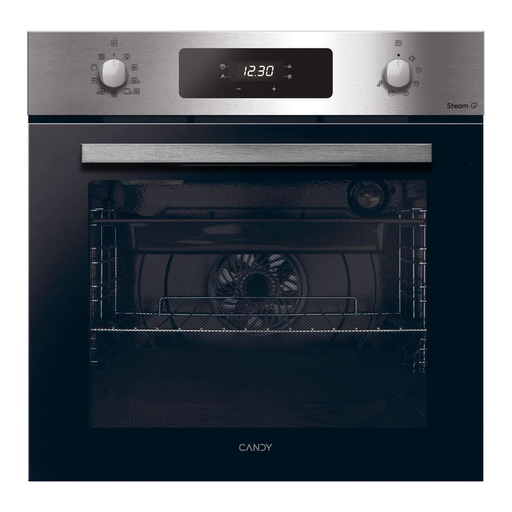 No image available
Consider this single oven if the cottage usually needs one cooking cavity and a cleaning feature is part of the decision.
Check the exact installation instructions for the cabinet opening and electrical connection, and follow the model’s cleaning instructions.
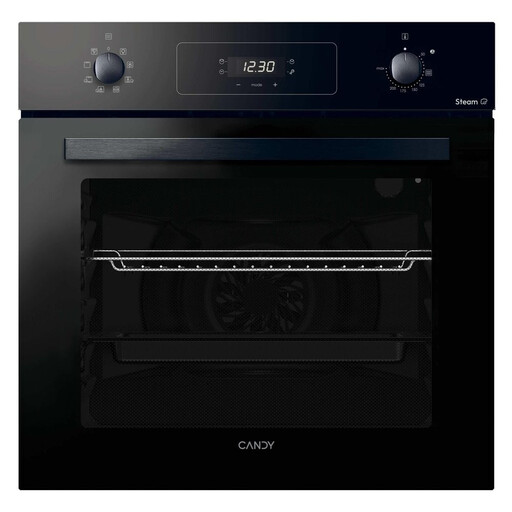 No image available
This single-cavity option may suit a cottage where a gratin is usually cooked without a second oven dish needing a separate temperature.
Check the installation instructions for the cabinet opening and electrical supply; the available connection descriptions differ.
A fan setting is worth considering when even heat circulation is a priority. Electrical Safety First describes fan ovens as offering even heat distribution, but that does not establish how evenly every model cooks; check independent performance tests where available.
Do not assume an extension lead is suitable. Electrical Safety First warns that an oven may overload one shared with other large appliances; follow the oven’s power requirements and seek qualified advice if the supply arrangement is uncertain.
Have the installation requirements checked before purchase. Electrical Safety First advises using a qualified electrician to fit an oven and notes that some models need hardwiring into a dedicated circuit; the work depends on the appliance and existing supply.
For a self-catering holiday home in England offered to paying short-term guests, GOV.UK says owners must follow its applicable safety guidance, including electrical-safety guidance. Check the property’s fire and electrical arrangements as well as the appliance instructions; rules elsewhere in the UK need a separate jurisdiction-specific check.