Hosts managing one holiday let
For regular hand-towel resets at one property, compare domestic machines by the load you actually wash, the available programmes and the time left to dry the towels.


A domestic front-loader is a sensible starting point when its usable towel load and relevant wash programmes fit the time between guests. Consider professional laundry equipment when repeated tight turnovers make programme timing, frequent use or downtime an operational concern; check the towel load, fabric-care instructions and installation requirements before choosing either route.
For regular hand-towel resets at one property, compare domestic machines by the load you actually wash, the available programmes and the time left to dry the towels.
When the cleaning window is short, the relevant programme’s load limit and wash conditions matter more than its shortest advertised time. Electrolux notes that programme duration can change with the laundry load.
Repeated linen processing makes frequent-use suitability, installation and the consequences of downtime worth assessing. Miele Professional positions its SmartBiz model for hospitality use, but its 8 kg capacity shows why professional equipment should not be chosen on drum size alone.
Start with the dry towel load and the time available for both washing and drying. Then decide whether a freestanding domestic machine, an integrated model or professional equipment fits the property and its turnover pattern.
Consider it when: One property’s towel loads can be scheduled around changeovers without requiring professional-duty operation.
Trade-off: A rapid programme may have its own load and fabric conditions, and the displayed finish time can change during a wash.
Consider it when: The washer must sit behind fitted cabinetry and the opening suits the exact model.
Trade-off: Cabinet dimensions, door arrangement and service access need checking; drum capacity does not establish whether the machine will fit.
Consider it when: Repeated back-to-back turnovers make frequent-use suitability and downtime especially important.
Trade-off: Check the programme, capacity, site connections and service arrangements rather than assuming a professional machine is larger or automatically quicker.
| Concern | What to check | Who this matters to |
|---|---|---|
| Towel throughput | Compare rated capacity with the dry towels washed at each changeover, then check the relevant programme’s load limit and duration. | When towels must be ready between guests, I need a wash schedule that leaves time for drying too; around 42% of consumers would put turnover throughput first. |
| Fabric care and handling | Check towel care labels and suitable temperature programmes; plan separate handling for potentially contaminated linen. | If a towel is visibly soiled, I need a fabric-compatible way to handle and wash it rather than relying on a quick-cycle name; roughly 33% of consumers would make this their primary concern. |
| Space and operation | Measure the opening and required clearances, check site connections, and compare energy-label information for the exact models. | If the washer must fit an existing utility space or fitted kitchen, I need to settle installation before choosing a drum size; about 25% of consumers would prioritise fit and operating information. |
A rapid time belongs to a particular programme and load condition, not every wash. Electrolux also explains that load sensing can alter programme duration.
Check the model’s programme table against the towels’ care labels and allow time for the relevant wash and subsequent drying.
Keeping spare clean towels may reduce the pressure on a changeover if a cycle runs longer than planned.
Machines with similar rated loads can have different dimensions, and an integrated washer has cabinetry and access requirements that a freestanding model does not.
Measure the opening and check the exact model’s dimensions, clearances and installation instructions before ordering.
A machine that does not fit may require changes to the cabinetry or another installation arrangement.
Routine towel laundry and potentially contaminated linen call for different handling decisions. The Health and Safety Executive advises washing potentially contaminated non-clinical linen at the highest temperature recommended for the particular fabric.
Follow the towel care label and use a handling process appropriate to the contamination risk; do not assume a programme name establishes disinfection.
Miele Professional positions the PWM 1108 SmartBiz for hospitality use, but its stated load is 8 kg. A professional designation alone does not show that it suits a property’s towel volume or available wash window.
Compare changeover frequency, relevant programme times, downtime tolerance, site connections and support arrangements with a domestic setup.
Domestic front-loaders to consider where a 9–10 kg machine suits the towel workload.
A domestic route for hosts comparing a 10 kg load with a stated rapid full-load programme.
An integrated domestic option where the washer must fit fitted cabinetry.
Professional laundry equipment to assess for repeated accommodation turnovers.
These freestanding domestic washers offer different stated load capacities for holiday-let towel laundry. Compare each model’s relevant programme conditions and installation requirements before treating a rapid-cycle time as part of your changeover schedule.
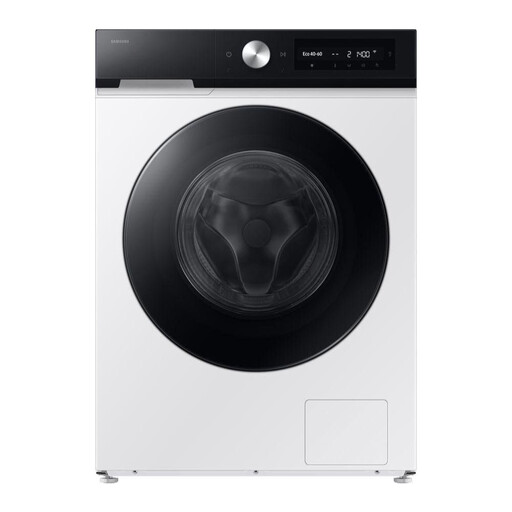 No image available
Consider its stated 11 kg capacity if several towel loads would otherwise interrupt a changeover. Check the load and fabric conditions of the programme you intend to use, as well as the installation space.
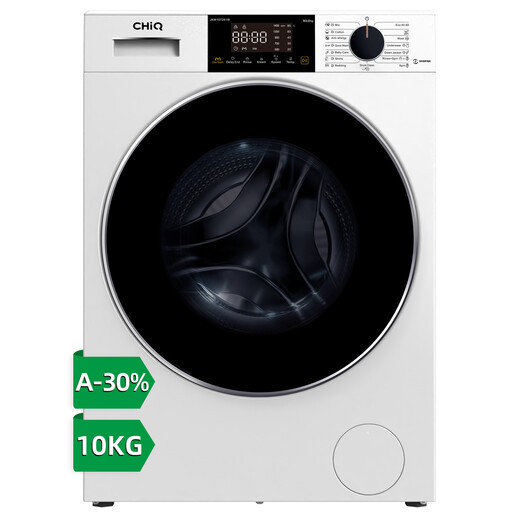 No image available
Its stated 10 kg capacity is relevant to regular hand-towel loads at a holiday let. Check the load limit and fabric conditions for any quick programme; a steam feature alone does not establish how potentially contaminated towels should be handled.
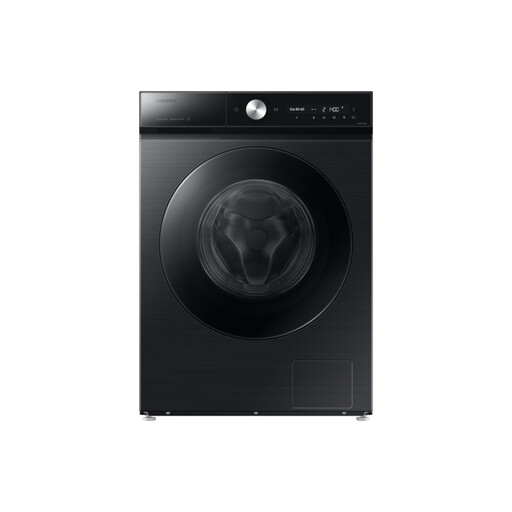 No image available
Consider a stated 9 kg load if it accommodates the towels washed at each turnover. Check the relevant programme’s temperature and timing, and follow the installation instructions for the property.
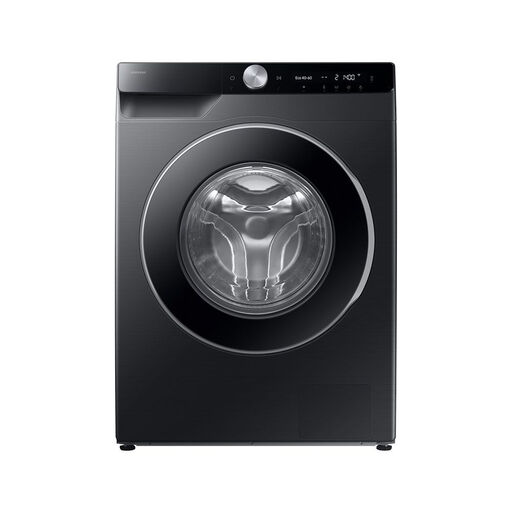 No image available
Its stated 9 kg capacity offers a basis for planning routine towel loads. The described 39-minute Super Speed programme applies to a 5 kg load, so check whether its wash conditions suit the towels rather than applying that time to a full drum.
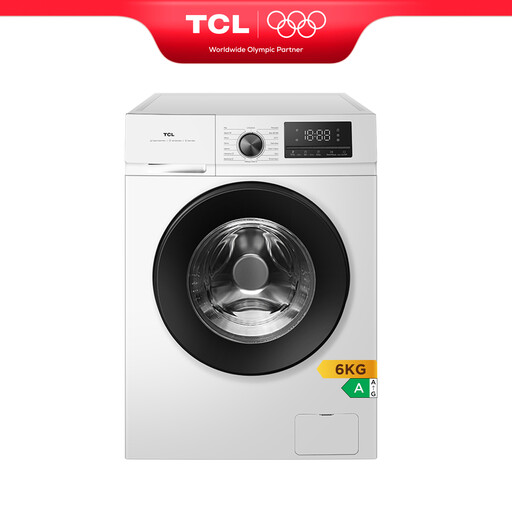 No image available
Its stated 10 kg capacity is worth comparing with the property’s dry towel load. Before planning around a short wash, check the Quick 15' programme’s load and fabric conditions and measure the available appliance space.
Not necessarily: a domestic machine can suit hand-towel laundry when its usable load and relevant programme times fit the property’s changeovers. Consider professional equipment if frequent turnovers make repeated use or downtime a serious operational concern; Miele Professional’s cited hospitality-oriented SmartBiz model has an 8 kg load, so do not assume that route means a larger drum.
No: the stated time applies to the specified programme and its conditions. Beko UK describes a 28-minute full-load Quick Programme for the B3W31041, while Electrolux explains that some machines adjust programme duration according to the laundry load; check the programme guide for the towels you wash.
Handle it separately from the routine wash plan and choose a laundering process appropriate to the contamination risk. The Health and Safety Executive advises washing potentially contaminated non-clinical linen at the highest temperature recommended for that particular fabric, so check the care label rather than applying one temperature to every towel.
Measure the cabinet opening and compare it with the exact model’s installation instructions, including door arrangement and service access. Haier publishes the built-in HWB100-B14858U1 at 595 × 537 × 820 mm in width, depth and height order; its 10 kg capacity alone cannot establish fit.
Compare the energy label and product information for the exact machines under consideration, rather than choosing by a capacity or energy-class letter alone. GOV.UK says in-scope products must be supplied with an accurate printed energy label; check the relevant listing documents when comparing models.