What matters when choosing?
Start with the cloth batch and changeover window, then check whether the available programmes suit your handling procedure and whether the appliance can be installed in the intended space.
| Concern | What to check | Who this matters to |
|---|
| Drying capacity and turnaround |
Compare the heaviest changeover batch with the dry or continuous wash-and-dry capacity. Check the permitted load and full duration of the programme you would use. |
If I need cloths ready before the next arrival, splitting a washed load for drying could delay the changeover. Around 50% of consumers put turnaround capacity first. |
| Cloth handling and washing |
Check temperature choices against the cloth care label and your procedure for used or potentially contaminated items. Check any hygiene programme’s fabric and load conditions. |
When cloths are visibly soiled, I want a washing and handling routine suited to the fabric rather than relying on a steam-feature name. For around 30% of consumers, that procedure is the primary concern. |
| Installation and operating information |
Measure the opening, delivery route and space for connections and the door. Compare complete energy labels and product information for equivalent wash-and-dry use. |
If the appliance must fit a kitchen cabinet or shallow utility space, I need to rule out installation problems before choosing a model. Fit and comparable operating information come first for around 20% of consumers. |
Joybuy washer-dryers for holiday-let face cloths
These integrated and freestanding washer-dryers offer different wash and dry capacities for planning face-cloth batches. Compare the dry limit with each changeover load, and check programme conditions and installation requirements for the model you choose.
 No image available
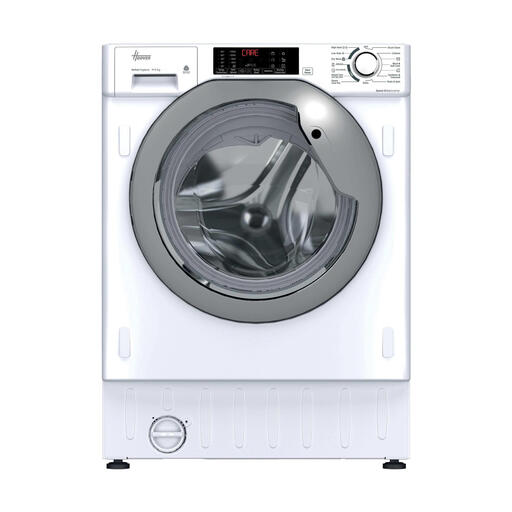
Hoover HBDS 4954DMS5-80 H-Wash & Dry 500, integrated, 9 kg/5 kg
Consider this integrated model if a fitted-kitchen installation and a continuous dry load within 5 kg suit your changeover routine.
Rated at 9 kg washing and 5 kg drying. Check cabinet and door compatibility, and confirm the permitted load and full duration of any combined programme before planning a turnaround around it.
View on Joybuy
 No image available
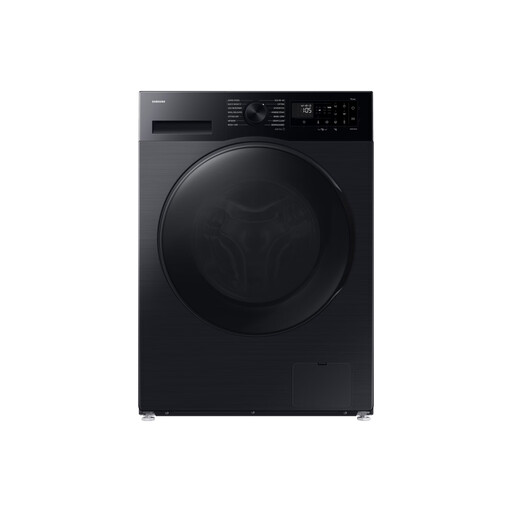
Samsung Series 5 AI Energy WD90DG5G34BBEU, 9 kg/6 kg
This model is worth comparing if a 6 kg dry limit would better accommodate the face-cloth batch needed at each changeover.
Rated at 9 kg washing and 6 kg drying. Check the selected programme’s load and complete wash-and-dry duration, along with delivery and installation clearances.
View on Joybuy
 No image available
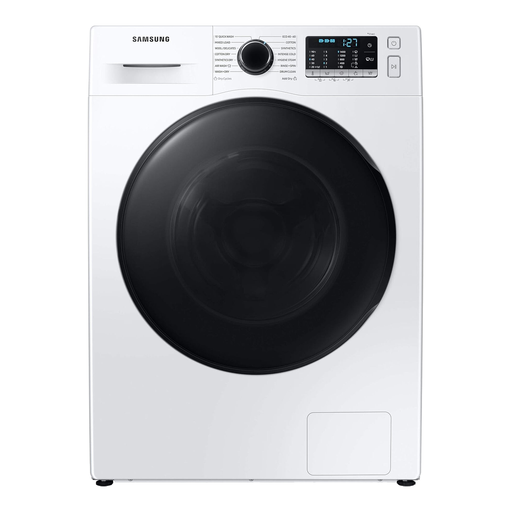
Samsung Series 5 Ecobubble™ WD80TA046BE/EU, 8 kg/5 kg
Consider this freestanding model when each continuous face-cloth batch fits within a 5 kg dry limit.
Rated at 8 kg washing and 5 kg drying. Samsung lists dimensions of 600 × 850 × 600 mm. Its Hygiene Steam feature is supplementary to your handling procedure; check the chosen programme’s load and the cloth care labels.
View on Joybuy
 No image available
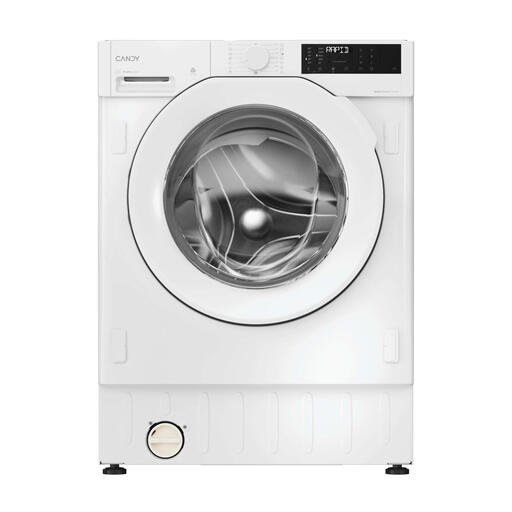
Candy BC4S496M6D8-80 integrated washer-dryer, 9 kg/6 kg
This integrated option suits a fitted installation if the larger 6 kg dry limit matches the batches you need to finish.
Rated at 9 kg washing and 6 kg drying, with a stated 1400 rpm spin speed. Check cabinet and door compatibility, and confirm that any short programme includes drying before using its time to plan a changeover.
View on Joybuy
 No image available
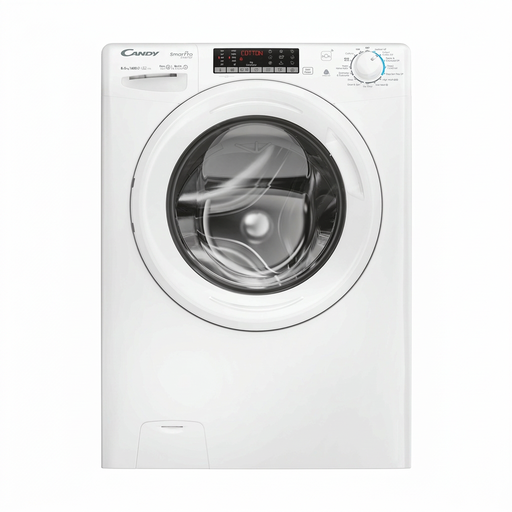
Candy Smart Pro Inverter CSOW4856TWM6-80, 8 kg/5 kg
This freestanding model is an option for changeover batches that stay within a 5 kg dry limit.
Rated at 8 kg washing and 5 kg drying, with a stated 1400 rpm spin speed. Check the exact programme, permitted load and complete wash-and-dry time rather than using a quick-wash time as the full turnaround time.
View on Joybuy
Frequently asked questions
Can I wash a full load of face cloths and dry it immediately?
Only if the load also fits the machine’s drying and selected programme limits. Which? notes that washer-dryer drying capacity is lower than washing capacity; Bosch, for example, rates the WKD28490GB at 8 kg for washing but 5 kg for a wash-and-dry cycle.
Should I choose a 60°C programme for holiday-let face cloths?
Choose a programme that fits the cloth care label and your handling procedure rather than assuming one temperature suits every cloth. For potentially contaminated non-clinical textiles, Health and Safety Executive guidance advises washing at the highest temperature recommended for the particular fabric and assessing contamination risks.
Is a hygiene-steam feature enough to decide which model to buy?
No: weigh its stated programme conditions alongside drying capacity, fabric suitability and your cloth-handling procedure. Samsung’s statement for the WD80TA046BE/EU is tied to an Intertek test using a 3 kg cotton load and standard powder detergent; Samsung says individual results may vary.
What should I compare beyond an energy-rating letter?
Compare the complete energy label and product information for equivalent washer-dryers, particularly the wash-and-dry use relevant to your routine. Energy Saving Trust explains that appliance labels contain information beyond the A–G class, including energy use, noise and performance details.
Does buying a washer-dryer settle holiday-let compliance?
No: an appliance purchase does not replace the wider checks that apply to running the property. Government guidance for self-catering holiday homes in England addresses matters including fire, gas and electrical safety and local-authority requirements; its scope is England, so check the requirements applicable to the property’s location.


