Hosts with frequent changeovers
Shirts and other laundry need to be ready between stays. Match capacity and programme limits to the batches you expect, then make sure your drying plan can keep pace.


Choose a washer-only machine if you have a workable drying arrangement, sizing its drum to the shirts and other linen you actually wash between stays. A 9–10 kg model is worth considering for larger changeover loads, but check its Cotton programme and loading guidance rather than filling it to capacity. If a separate drying arrangement is impractical, compare washer-dryers by their drying capacity as well as their wash capacity.
Shirts and other laundry need to be ready between stays. Match capacity and programme limits to the batches you expect, then make sure your drying plan can keep pace.
Allow shirts room to move in the drum and compare the exact model's Cotton and crease-management options. Bosch advises that overloading can contribute to creasing.
Check whether a washer and a separate drying arrangement will fit. If one appliance must do both jobs, plan around the washer-dryer's drying limit, which can be lower than its wash limit.
Choose when: You can dry shirts separately and want to size the wash load around changeovers.
Allow for: A separate drying arrangement and enough installation space for the exact machine.
Choose when: Reliable separate drying space is unavailable and one appliance needs to handle both tasks.
Allow for: A washed batch may need splitting before drying. Bosch specifies a 10.5 kg wash capacity but a 6 kg wash/dry capacity for its WNG25401GB.
| Concern | What to check | Who this matters to |
|---|---|---|
| Changeover capacity and timing | Match the stated load capacity to your shirt-and-linen batch; check quick-programme load limits and duration. | If several loads need finishing between stays, I need enough room in the drum without assuming every quick cycle takes a full load. Around 37% of consumers would put turnaround first. |
| Shirt creasing | Check for a suitable Cotton programme and any model-specific crease-management option; follow its loading guidance. | When shirts need to look presentable, I would rather leave them room to move than gain one tightly packed load. Shirt appearance would be the main concern for around 36% of consumers. |
| Variable-load efficiency | Compare the applicable energy label for the exact model and check how any load-sensing function operates. | If bookings leave me with both small and large laundry batches, I want to understand how the machine handles changing load sizes. Around 18% of consumers would prioritise this concern. |
| Fit and drying space | Measure installation depth and clearances; check the drying arrangement and, where relevant, stated noise information. | With a tight utility area or rooms close to guests, I need a machine that fits and a practical way to dry shirts. This would come first for around 9% of consumers. |
The Bosch WNG25401GB can wash 10.5 kg, but its maximum wash/dry load is 6 kg.
Compare both figures on the washer-dryer you intend to buy and plan your largest changeover batch around the drying limit.
Splitting a washed load adds another drying step to the changeover.
Bosch advises that overloading can contribute to creases, particularly at high spin speeds. Rated capacity is not a target for every shirt load.
Use the machine's loading instructions and leave enough room for shirts to move rather than compressing the load to avoid another cycle.
Model depths differ: Bosch specifies 588 mm for the WGG254Z1GB washer and 590 mm for the WNG25401GB washer-dryer, while AEG lists a maximum depth of 660 mm for the LFR62944B.
Measure the installation bay and access route, then check hose space, door opening and clearances against the exact model's installation instructions.
Programme names such as Iron Assist and Easy Iron describe features of particular models; the result still depends on the garment and how the load is washed.
Check the programme instructions and fabric restrictions, and assess the feature alongside loading guidance rather than treating it as a promise of crease-free shirts.
Its named UK models provide examples of both a larger washer-only machine and a washer-dryer.
The LFR62944B is a 9 kg washer to consider when load sizes vary between bookings.
The W1 WSA123 WCS offers an 8 kg washer size to compare with larger changeover-load options.
These washer-only machines and the washer-dryer offer different ways to handle holiday-let laundry. Check the exact Cotton and quick-cycle instructions for your shirts; if you need integrated drying, compare the washer-dryer's separate wash and dry limits.
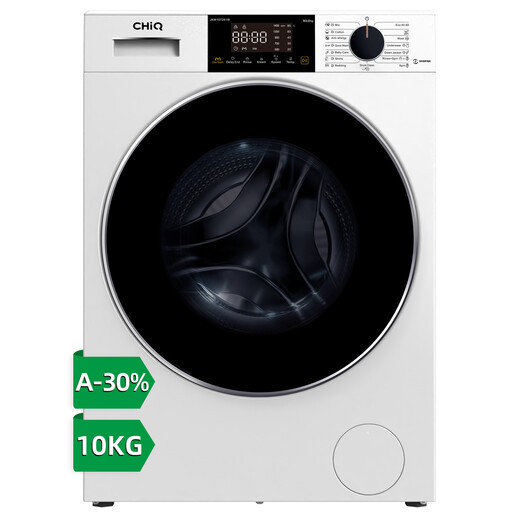 Image unavailable
Consider its 10 kg stated capacity if shirts are washed with a larger changeover batch. The product name also specifies a 1400 rpm spin; check the Cotton and quick-cycle instructions for your intended loads.
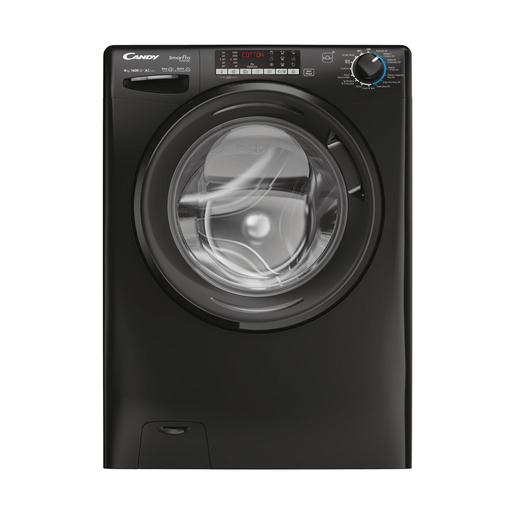 Image unavailable
The stated 9 kg capacity offers a size to compare with your usual changeover load. Its product name specifies a 1600 rpm spin; check the exact Cotton programme and rapid-cycle fabric and load limits before relying on either for shirts.
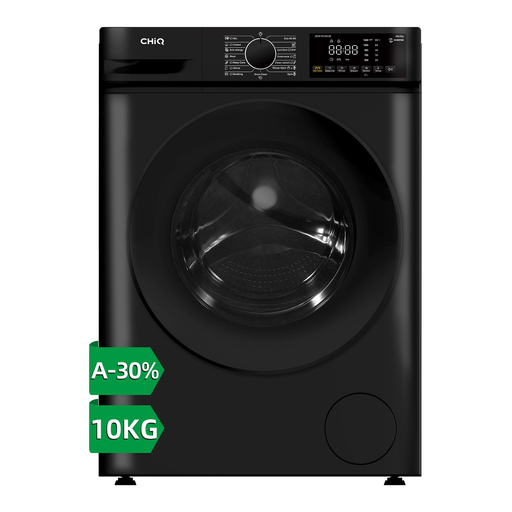 Image unavailable
Its stated 10 kg capacity makes it a candidate for larger shirt-and-linen batches. The product name specifies a 1400 spin; check Cotton programme availability, rapid-cycle limits and installation clearances for this exact model.
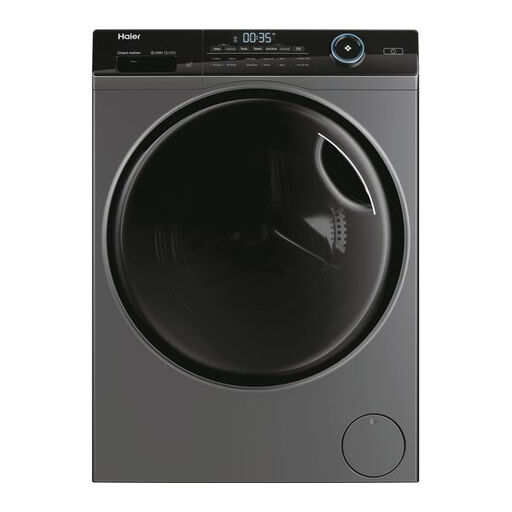 Image unavailable
Consider integrated drying if a separate arrangement will not work in the property. Its stated 10 kg wash and 6 kg dry capacities mean a larger washed batch may need splitting before drying; check the Cotton and Refresh programme instructions for your shirts.
 Image unavailable
The stated 10 kg capacity is a point of comparison for larger changeover loads. Its product name specifies a 1400 spin; confirm Cotton and quick-cycle suitability for the shirts, as well as dimensions and installation clearances.
Use a Cotton programme when the shirt's care label permits it, following the label's temperature and care instructions. Which? notes that cotton and synthetic programmes can differ in temperature and spin behaviour, so the fabric label matters more than the programme name alone.
A bigger drum can give shirts more room, but capacity alone will not prevent creases. Bosch advises that overloading contributes to creasing, particularly at high spin speeds, so follow the model's loading instructions rather than treating its rated capacity as a target for every load.
Not necessarily: check the two capacities separately. Bosch specifies a 10.5 kg wash capacity but a 6 kg maximum wash/dry capacity for the WNG25401GB, which would require a larger washed batch to be split before drying.
Check the current energy label and product information for the exact model and delivery destination. GOV.UK notes that energy-information requirements differ between Great Britain and Northern Ireland, so do not assume a label shown for one market applies unchanged to the other.