Fast-turnover holiday-let hosts
If tea towels and other linen must be ready between stays, compare the time and permitted load of the programmes you would actually use. A large drum alone does not establish how much a short cycle can wash.


Choose a washing machine with a cotton or hygiene programme that suits the tea-towel care labels, then check whether its permitted load and cycle time fit your guest changeovers. A 9–10 kg drum is worth considering if you also wash other linen, but rated capacity does not apply to every programme; measure the installation space and compare the exact model’s noise and energy information too.
If tea towels and other linen must be ready between stays, compare the time and permitted load of the programmes you would actually use. A large drum alone does not establish how much a short cycle can wash.
Look for a documented cotton or hygiene programme, but check each tea towel’s care label before selecting a higher temperature. A rapid programme should not be assumed to serve the same purpose.
Measure the space available for the appliance and its connections. Compare the exact model’s energy, water, programme-duration and noise information alongside the laundry you expect to wash.
Start with the care labels and your usual changeover load. Then check programme limits and timing before comparing appliance dimensions and operating information.
| Concern | What to check | Who this matters to |
|---|---|---|
| Fabric-appropriate washing | Check the exact model’s cotton or hygiene programmes and their load limits; follow each tea towel’s care label when choosing a temperature. | If I wash tea towels between guests, I want a suitable programme without exceeding what the fabric permits. Around 36% of consumers put programme and fabric compatibility first. |
| Changeover timing | Compare programme duration with its permitted load and intended fabric or soil conditions; plan separately for drying if the towels must be ready for the next guests. | On a same-day changeover, I need the load finished in time rather than a short cycle that takes too little laundry. For around 29% of consumers, turnaround is the primary concern. |
| Capacity and fit | Match the usual combined laundry load to programme-specific capacity, then measure appliance depth, door clearance and space for connections. | If I wash tea towels alongside other linen, I need enough capacity without ordering a machine that will not fit. Around 21% of consumers prioritise load size and installation space. |
| Operating demands | Compare exact-model energy and water information, programme duration and spin noise; follow the maker’s maintenance instructions. | With frequent washes, I want to understand electricity and water use, noise and upkeep before choosing. These are the main priority for around 14% of consumers. |
Rated capacity relates to a specified programme and its loading instructions. A rapid cycle may permit a smaller load than the figure on the machine’s headline specification.
Before buying, check the exact model’s programme table for the cotton, hygiene and rapid cycles you expect to use.
A short cycle does not automatically have the temperature, permitted load or intended use of a cotton or hygiene cycle.
Choose a programme that suits both the tea towels’ care labels and their condition, and use a rapid cycle only within the maker’s stated limits.
Machines with similar stated capacities can have different depths. The appliance also needs room for its door, hoses and installation clearances.
Measure the usable width, height and depth, then compare them with the exact model’s installation instructions.
An unsuitable fit can require changes to the installation space or a different appliance.
AEG advises that prolonged use of low-temperature programmes can allow detergent deposits and fluff to build up inside a washing machine.
Allow time for the maintenance wash and cleaning method specified in the machine’s manual.
AEG’s LFR61144UD provides a model-specific example for hosts comparing a 10 kg freestanding machine with a Hygiene programme.
Bosch’s WGH254ARGB is a 10 kg example for comparing time-reduction options and installation depth.
Miele’s WWJ880 WCS is a 9 kg example for hosts considering automatic detergent dispensing alongside programme choice.
Beko’s 10 kg range offers examples for hosts comparing larger loads with rapid-programme limits.
These freestanding machines cover smaller tea-towel loads and larger loads combined with other linen. Compare each model’s programme table with your care labels and changeover schedule before deciding whether its stated capacity is useful.
 No image available
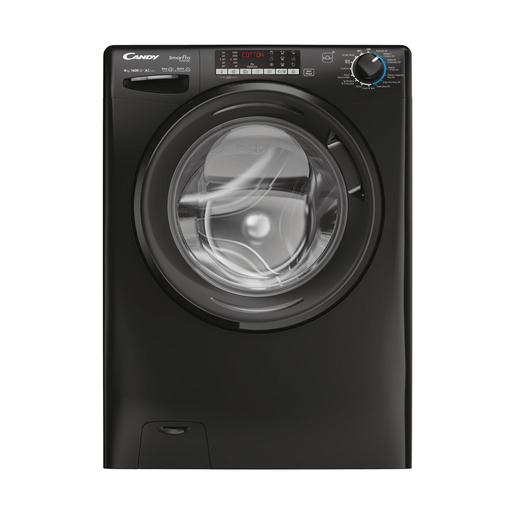
Consider the 9 kg capacity if tea towels are normally washed with other compatible linen. This freestanding model has a stated maximum spin speed of 1600 rpm; check its cotton or hygiene options and the permitted load and fabric conditions of any short cycle before planning a changeover wash.
 No image available
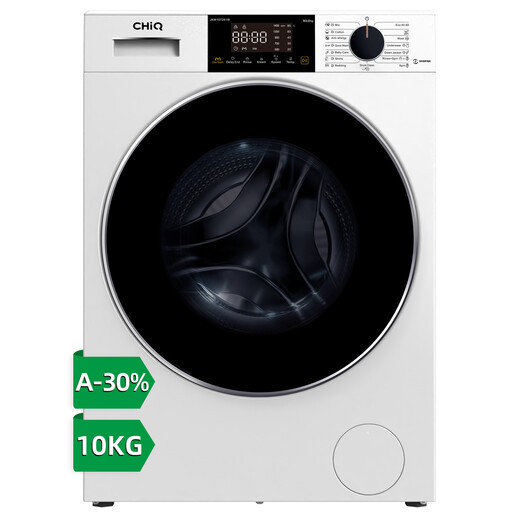
The 10 kg stated capacity is relevant if your usual changeover load includes other linen. This model lists a 1400 rpm maximum spin; confirm which programmes suit your tea towels and how much laundry any quick programme permits.
 No image available
This freestanding 10 kg model is a capacity option for combined tea-towel and linen loads. Its stated maximum spin speed is 1400 rpm; check the precise cotton and rapid-programme limits rather than treating the Steam Wash name as confirmation of a suitable hygiene cycle.
 No image available
A 6 kg freestanding machine may suit a modest changeover load if you do not routinely wash substantial additional linen. Its stated maximum spin speed is 1000 rpm; confirm the exact programme temperatures and rapid-cycle load limits in the model’s manual before relying on either for tea towels.
 No image available
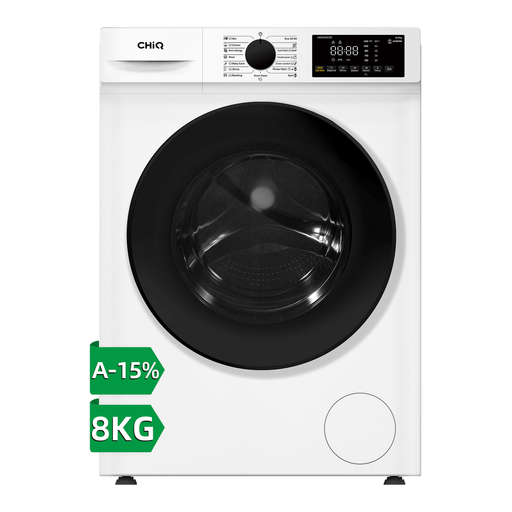
The 8 kg stated capacity offers another size to compare with your usual tea-towel and linen load. This freestanding model has a stated 1400 rpm maximum spin; check its programme temperatures, short-cycle limits and required installation clearances before choosing it.
Not necessarily: compare 10 kg with the weight of your usual changeover load, including any other linen washed alongside the tea towels. Rated capacity applies to a specified programme under the supplier’s loading instructions, so check the limits of the cycles you plan to use.
No: its permitted load and intended fabric or soil conditions depend on the programme. Beko, for example, states that the 14-minute Super Quick programme on its WTL104151 takes 2 kg, while a separate Quick programme takes a full 10 kg load. Check the exact machine’s programme table rather than relying on the shortest duration.
Compare the exact models’ energy-label and product-information figures on the same stated basis, including energy and water use, programme duration and noise. Also consider which programmes and load sizes you will normally use; an energy class alone does not describe every changeover wash.
Follow the maintenance schedule for the exact machine, particularly if many washes are cool or short. AEG advises that repeated low-temperature washing can leave detergent deposits and fluff inside the appliance; use the maintenance programme and cleaning products specified by its maker.