For repeated school-holiday lunches, choose a larger pack of dried pasta if you have time to cook it and somewhere cool and dry to store it: you can portion it for different meals and add your choice of sauce. Tinned pasta and individual cups offer separately packed lunches, but check whether each product contains pasta, sauce or a complete serving, along with its ingredients and preparation instructions.
Who is shopping for holiday lunches?
Households planning several lunches
A larger dried-pasta pack can be portioned across the school break when there is cupboard space and time to cook. Tesco lists a 1 kg dried spaghetti pack, while Barilla advises keeping dry pasta in a cool, dry place.
People preparing lunch in a hurry
Parents, carers or older children with access to a microwave may prefer an individually portioned product. Check the exact item: Tesco describes one Dolmio cooked-pasta product as microwave-ready in 75 seconds, whereas its 50-second sauce pouch still needs cooked pasta.
Shoppers checking dietary requirements
When ingredients or allergens determine the choice, check both the pasta and everything served with it. Barilla describes its gluten-free penne as made from corn and rice; that description does not establish the suitability of a sauce or topping.
What matters when choosing a pasta format?
For school-holiday lunches, settle on the job the pack needs to do before comparing quantities: dried pasta, sauce and prepared pasta are different purchases.
| Concern |
What to check |
Who this matters to |
| Quantity and storage |
Compare quantities within the same pasta format; check cupboard space and the best-before date. |
If I am making lunch repeatedly, I want a dry staple I can portion as needed and keep in the cupboard. About 36% of consumers put quantity and dry storage first. |
| Preparation time |
Check the cooking method and whether the pack contains pasta, sauce or a complete serving. |
When lunch needs to be ready with little active cooking, boiling and draining pasta may not fit. Preparation speed comes first for about 29% of consumers. |
| Planning the whole lunch |
Decide what will accompany the pasta and check the ingredients on any prepared sauce. |
I want to vary what goes alongside pasta over the break rather than buy a large pack without a plan for using it. For about 21% of consumers, planning those other lunch components is the main concern. |
| Ingredients and allergens |
Read the exact pasta and sauce labels; check every component when gluten-free food is required. |
If an ingredient rules out a product, its pack size or convenience cannot decide the purchase. Dietary suitability is the primary need for about 14% of consumers. |
Buying mistakes to avoid
-
Buying sauce when you meant to stock up on pasta
A tin, jar or pouch may contain sauce rather than pasta; a prepared pasta product serves a different purpose from a large dried pack. Pack count alone does not make the formats comparable.
Choose the required format before comparing multipacks: dried pasta, sauce, tinned tomatoes or a prepared meal.
-
Treating a large pasta pack as the whole lunch plan
Dried pasta gives you a base to cook, but you still need to decide what to serve with it across the break.
Plan the accompanying foods before choosing how much pasta to stock.
Sauce and other ingredients need to be accounted for alongside the pasta pack.
-
Assuming another flavour or pack size has the same ingredients
Pasta, sauce and toppings are separate products. A gluten-free pasta does not establish that the finished lunch is gluten free.
Check the ingredients and allergen information on each exact pack, including any substitute flavour or size.
-
Cooking extra pasta without a plan for leftovers
Cooked food needs prompt cooling before it is stored. The NHS advises cooling food as quickly as possible, ideally within one to two hours.
Cook an amount you can cool and store appropriately, and follow the relevant product instructions for leftovers.
Pasta brands for reference
Dolmio
A sauce-led option, with some prepared pasta products for separately portioned lunches.
- Dolmio’s Bolognese instructions use 100 g of dry pasta per person as a recipe guide when planning pasta separately from the sauce.
- Heating instructions differ by product. Tesco lists 75 seconds for one Dolmio cooked-pasta product and 50 seconds for a tomato-and-basil sauce pouch that still needs hot cooked pasta.
Barilla
A dried-pasta option that also has a named gluten-free range.
- Barilla advises cool, dry cupboard storage for its pasta and describes its gluten-free penne as made from corn and rice.
- Check the exact pasta pack and any sauce or topping when ingredients or allergens determine suitability.
Tesco
An own-label option for comparing a larger dried-pasta pack within a grocery shop.
- Tesco lists a 1 kg dried spaghetti product made from durum-wheat semolina.
- Confirm the pack details when shopping; a product listing does not establish what is available for a particular delivery area or date.
Joybuy tinned and cup pasta options
For repeated lunches, these options offer either tins of spaghetti in tomato sauce or individually portioned pasta cups. Compare them as prepared formats rather than as plain dried pasta.
 No image available
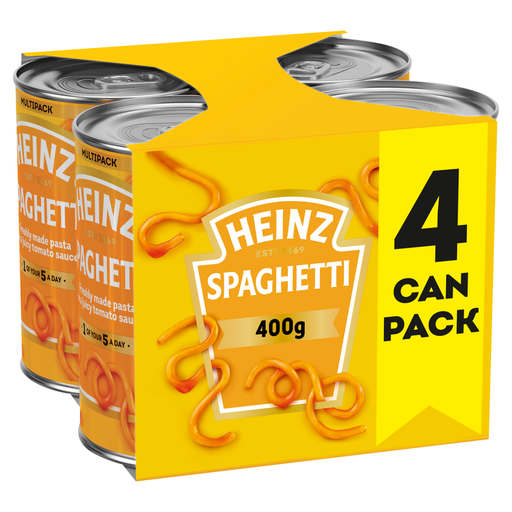
Heinz Spaghetti in Tomato Sauce, 4 × 400 g
Four separate tins may suit lunches that call for spaghetti already in tomato sauce rather than a plain dried-pasta base. Check the exact pack for ingredients, serving guidance and instructions for storing any contents left after opening.
View on Joybuy
 No image available
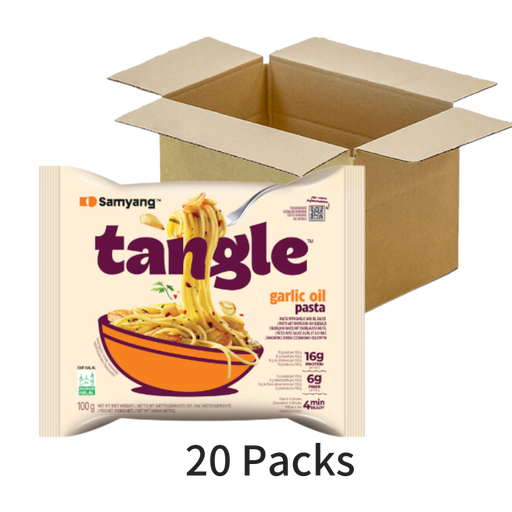
Samyang Tangle Garlic Oil Pasta, 20 × 100 g cups
A case of individual cups may suit lunches portioned one at a time instead of a family-sized pot of pasta. Check the exact pack for preparation directions and ingredients before relying on it for a quick lunch or a dietary requirement.
View on Joybuy
Questions about holiday pasta lunches
Does a bulk tin contain the same thing as a large pasta pack?
Not necessarily: a tin might hold pasta in sauce or another ingredient, while a large dried-pasta pack is pasta to cook separately. Read the product name and contents before comparing multipacks.
How much dried pasta should I allow for lunch?
Start with the directions for the exact pasta or recipe and consider what else you will serve. Dolmio’s Bolognese instructions recommend 100 g of dry pasta per person for that recipe; it is not a universal portion rule.
Where should I keep a large pack of dried pasta?
Barilla advises storing pasta in a cool, dry cupboard or pantry. Check the pack’s storage directions and keep its best-before and ingredient information available if you move the pasta to another container.
Is buying dried pasta enough to plan several lunches?
A large dried-pasta pack covers the pasta, not everything you may want to serve with it. Plan suitable sauces and other foods before deciding how many packs you can use over the break.
What should I check when gluten or another allergen matters?
Read the ingredients and allergen information on every exact pasta, sauce and topping pack. Barilla describes its gluten-free penne as made from corn and rice, but choosing that pasta alone does not establish the suitability of the finished lunch.


