Parents with changing holiday plans
A cupboard tin leaves lunch available when plans shift. If smooth soup is unlikely to suit the eater, look at the ingredients and texture of a chunky recipe as well as its serving count.


Choose a tinned soup when lunch plans may change and cupboard storage matters; choose a chilled soup only if you can refrigerate it and plan to use it in time. A distinctive canned recipe can offer an alternative to a chilled premium range, but neither format nor a premium label establishes how the meal will taste or whether it suits a child. Compare the exact recipe, serving count, salt and allergens before deciding.
A cupboard tin leaves lunch available when plans shift. If smooth soup is unlikely to suit the eater, look at the ingredients and texture of a chunky recipe as well as its serving count.
A canned chowder or another ingredient-led recipe may fit the occasion. A chilled premium soup is a separate option when the lunch is planned and fridge storage is available.
The exact pack matters more than a familiar brand or range name. Compare salt for the portion being served, and read the current ingredient and allergen information for anyone with a dietary requirement.
Decide whether the soup must wait in the cupboard or can be kept chilled, then compare recipes and portions within the format that fits your plans.
| Priority | What to check | Your needs |
|---|---|---|
| Storage and timing | Check whether the product is an ambient tin or a chilled soup, then read its storage and use instructions. Tesco Groceries lists its Finest and Premium soup range under chilled soup, separately from its tinned range. | I need lunch to be available when plans change, so a cupboard tin fits better than a soup that needs fridge space and near-term use. |
| Recipe and texture | Look for the ingredients and texture you want rather than relying on a premium label. Sainsbury's describes its canned Chicken & Sweetcorn Chowder as containing chicken, chunky sweetcorn and double cream. | For a planned lunch, I would consider a more distinctive recipe; for a familiar cupboard option, I may prefer a chunky vegetable soup. |
| Portions | Read the stated serving count and nutrition basis. Check the opened-pack storage and reheating directions if the can will not be used at once. | If lunch is for one child, I want a portion I can serve without leaving a remainder I cannot use as directed. |
| Salt | Compare salt for the portion actually served, including any food alongside it. The NHS advises maximum daily salt amounts of 3g for ages 4 to 6 and 5g for ages 7 to 10, and cautions that ready-made soups can be salty. | Soup is only part of the day's food, so I want to consider its portion alongside the rest of my child's meals and snacks. |
| Allergens and diet | Read the current pack's ingredients and allergen declaration. A vegetarian label does not establish that a soup is free from milk or suitable for a vegan diet. | Where someone has an allergy or dietary requirement, I need the exact recipe to fit it, even if we have bought the brand before. |
Tesco Groceries places its Finest and Premium soups on a chilled shelf, while its tinned shelf contains a separate mix of recipes. The label alone does not tell you how the soup must be stored.
Choose the storage format first. If cupboard storage is essential, compare the actual tinned recipes rather than substituting a chilled pot.
The NHS cautions that ready-made soups can be salty. A hearty-sounding or creamy recipe does not establish the salt in the portion a child will eat.
Read salt per serving and consider the other foods being served that day.
Marks & Spencer lists skimmed milk and double cream in its vegetarian Cream of Tomato Soup. Campbell's Soup UK declares wheat and milk, and possible egg, for its Cream of Chicken soup.
Check the current label on the exact product for the ingredients and allergens that matter to your household.
Sainsbury's describes its Chicken & Sweetcorn Chowder as two servings. That may leave soup after a one-person lunch.
Check the serving count and follow that product's instructions for storing and using any remainder.
A remainder that cannot be used as directed may go to waste.
Marks & Spencer lists tinned soups alongside Collection and Eat Well choices. Its Cream of Tomato Soup is a 400g vegetarian tin.
The range includes a canned Chicken & Sweetcorn Chowder; Sainsbury's also lists chilled soups under the same range name.
Tesco Groceries lists Heinz Big Soup among its tinned options, including a 400g Chunky Veg recipe.
Campbell's presents its condensed Cream of Chicken soup for serving as soup or using in cooking, making preparation method part of the choice.
Tesco Groceries provides separate tinned and chilled soup ranges, making the storage distinction worth checking when comparing its options.
These options offer different cupboard-lunch recipes, from bisque and corn potage to chicken noodle and cream of mushroom. Compare each pack for the portion and dietary needs of the person eating it.
 No image available
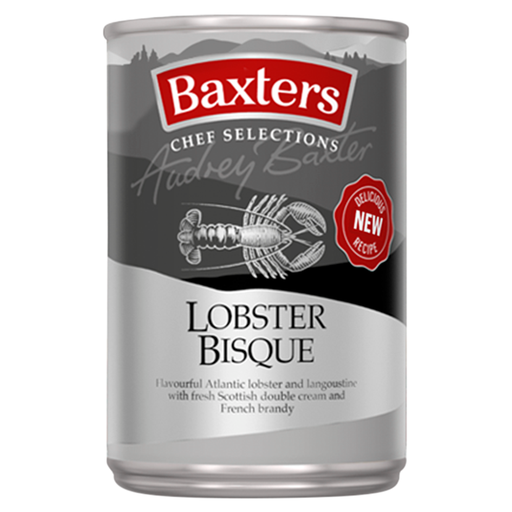
Consider this bisque for an individual cupboard lunch when a seafood recipe appeals. Check the current pack for crustaceans, milk, sulphites and celery, and follow its reheating instructions.
 No image available
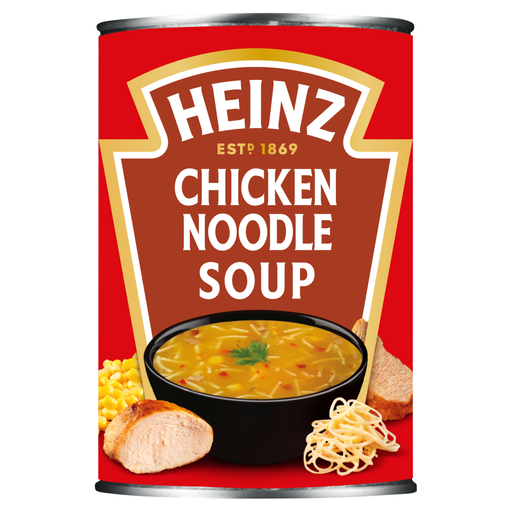
Chicken noodle is an option when a textured cupboard soup suits the lunch. Check the half-can serving information, including salt, and read the current pack for celery, egg and wheat allergens.
 No image available
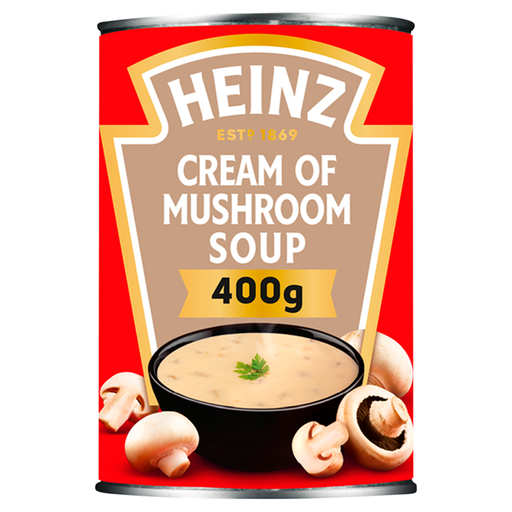
This smooth mushroom soup is an option when a vegetarian recipe suits the lunch. Check its serving directions and current label: vegetarian suitability does not remove the need to check for milk and wheat.
 No image available
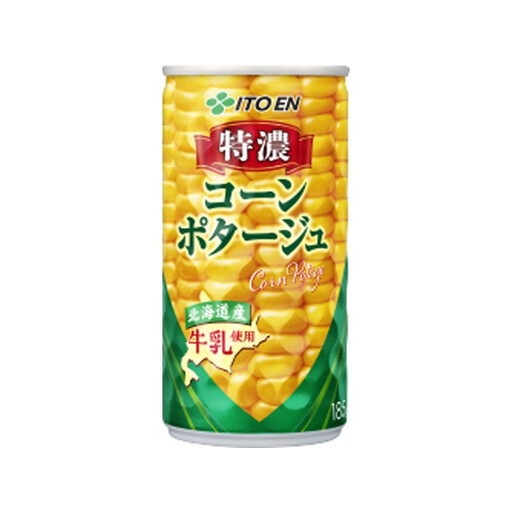
Corn potage offers another recipe to consider for a cupboard lunch. Check the current pack for milk and other dietary requirements, and use its nutrition panel when comparing sugars, carbohydrates and portion information.
No. Tesco Groceries lists its Finest and Premium soups under chilled soup, separately from its tinned range. Check the storage instructions before choosing a soup for the cupboard.
It can be part of lunch, but the appropriate portion and any accompanying food depend on the eater and the recipe. Check the stated servings, salt and dietary suitability rather than judging the meal by can size alone.
Read the salt amount for the portion the child will actually eat and consider the rest of the day's food. The NHS gives maximum daily amounts of 3g for ages 4 to 6 and 5g for ages 7 to 10, and cautions that ready-made soups can be salty.
Yes. Read the current pack each time an allergy or intolerance matters. For example, Campbell's Soup UK declares wheat and milk, with possible egg, for its Cream of Chicken soup; do not apply that declaration to a different recipe.
Follow the directions for the exact soup. Sainsbury's Chicken & Sweetcorn Chowder instructs shoppers not to reheat it once cooled, so its handling directions should not be replaced with a general rule for other products.