
24/7 Customer Support

Free returns

Same-day & Next-day Delivery

Quality Guaranteed

Unlock Your Welcome Offers: FREE Delivery | Up to 80% OFF | Free 30-day JoyPlus trial
Download the APP
Choosing home appliances is rarely just about the lowest price or the longest feature list. A compact flat, family kitchen, student room and busy utility space all have different requirements. The right appliance should fit your available space, daily routine, household size and running-cost expectations.
This guide covers kitchen appliances, laundry appliances, compact appliances and small appliances for home, with practical checks to help you avoid common purchasing mistakes.
A machine may advertise a large daily output or drum size, but that figure does not always match how you use it. A washer dryer, for example, usually has a smaller drying capacity than washing capacity. An 8 kg/5 kg model can wash 8 kg but dry only 5 kg in one cycle.
Likewise, a worktop ice maker’s “12 kg per 24 hours” figure depends on conditions such as room temperature, water refilling and prompt removal of finished ice. Treat capacity as a guide rather than a guarantee for every household.
Compact does not mean universally suitable. Check the full dimensions, door clearance, ventilation space, drainage route and socket position before ordering. A washing machine measuring 40 cm deep may suit a narrow utility area, while a 52 cm or 58 cm model may need more room for hoses and door opening.
For larger laundry appliances, installation should follow the manufacturer’s instructions. The appliance must be level, correctly earthed and connected to suitable water and drainage supplies.
Steam programmes, automatic sensing, multiple drink modes and smart controls can be useful, but only when they match your routine. A coffee enthusiast may value a steam wand, whereas someone wanting quick coffee with little preparation may prefer a simpler machine. Consider cleaning, storage and preparation time alongside the feature list.
Measure the installation area rather than relying on a product category label. For a washing machine or washer dryer, record:
For worktop appliances, check the worktop footprint, cable length, water tank size and whether the unit can be stored safely after use.
UK household appliances use the A to G energy label scale for many product categories. A higher-rated appliance may use less electricity for the stated test cycle, but actual costs depend on programme selection, load size, frequency and energy tariffs.
Compare the energy consumption figure on the product label where available. For example, the CHiQ JKW85883W lists 40 kWh per 100 cycles and 47 litres of water per wash in its supplied specifications. These figures provide a useful comparison point, but they are not a promise of every household’s monthly bill.
Appliances that process food, water or laundry need regular care. Look for removable trays, accessible filters, self-cleaning programmes and clear maintenance instructions. Always follow the supplied manual, particularly for hot surfaces, blades, steam, pressure and electrical connections.
Do not use extension leads or multi-plug adaptors where the manufacturer prohibits them. Keep children away from moving parts, hot surfaces and open appliance doors.
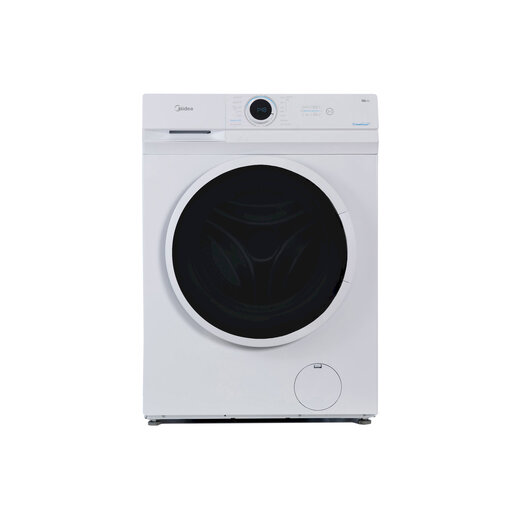
Why This Fits Their Persona: Its 40 cm depth and 6 kg capacity suit tenants, students and smaller households with limited laundry space.
The stated 6 kg limit and D rating make the capacity and energy position clear, while 15-minute and 45-minute wash options help avoid unnecessary long cycles.
Slim 40 cm depth; cold to 60°C temperature options; Type G UK plug listed in the specification.
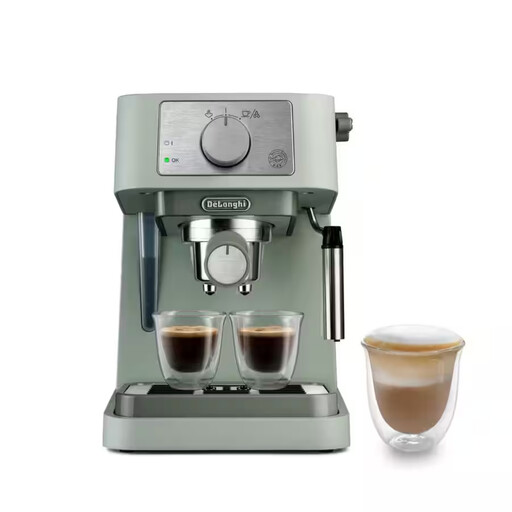
Why This Fits Their Persona: Coffee enthusiasts who enjoy manual preparation can use ground espresso or ESE pods and froth milk with the steam wand.
It presents manual controls rather than implying automatic café-style preparation. The removable parts and wipe-clean surfaces also make maintenance visible.
15-bar pump specification; manual stainless-steel steam wand; two-tier drip tray for cups up to 110 mm.
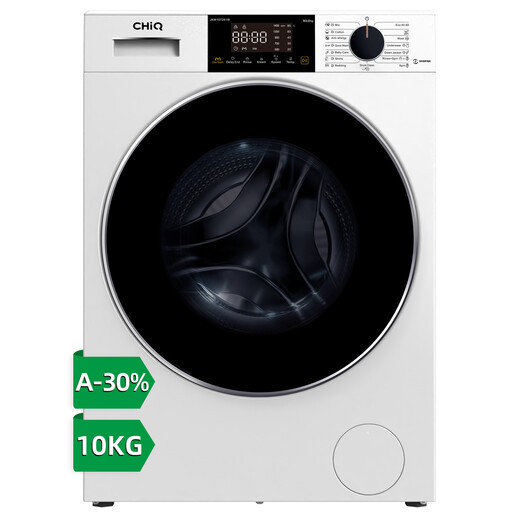
Why This Fits Their Persona: Families washing bedding, towels and bulky garments may benefit from its stated 10 kg drum capacity.
The product information separates the 10 kg wash capacity from other specifications, while the 580 mm depth helps shoppers plan installation accurately.
1400 rpm maximum spin; 16 programmes; steam care, drum clean and up to 24-hour delay end.
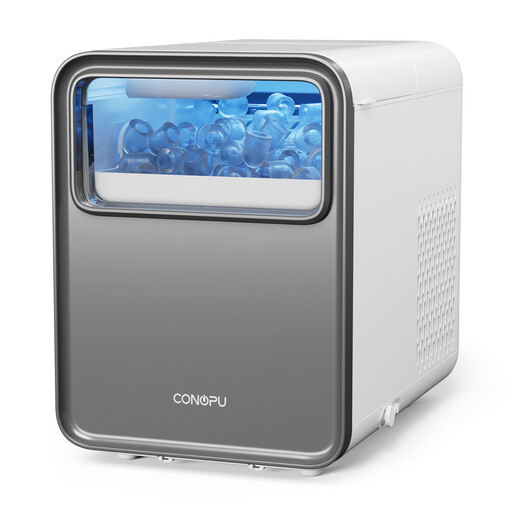
Why This Fits Their Persona: Useful for parties, home bars, camping, motorhomes and kitchens where freezer space is limited.
Its 35 × 23 × 30 cm dimensions and 1.5 L tank are stated clearly, while the ice-full and water-shortage indicators reduce guesswork.
Two ice sizes; stated production of up to 12 kg per 24 hours; automatic 30-minute cleaning cycle.
We have compiled a complete, real-time list of products that fully satisfy these strict selection criteria and UK safety regulations.
For specialist routines, consider a portable soy milk maker with a 300 ml capacity, automatic cleaning and preset functions. A mini sewing machine may suit small repairs when it offers a suitable power supply, speed control and clear needle safety guidance. Home cooks may prefer a dough maker with a stainless-steel bowl, stated flour limits and stable footing.
The correct choice depends on how often you will use the appliance, where it will be stored and how much cleaning you are prepared to do.
They can be, provided the dimensions, ventilation, voltage and plug type are suitable. Measure the worktop or storage area and check that the appliance is designed for a 220–240V UK supply. Keep water-based appliances away from unsafe splash zones and follow the manufacturer’s placement instructions.
Consumption varies by appliance and programme. Heating water, drying clothes and boiling liquids generally require more energy than simple mechanical operation. Use the supplied energy-label information, choose an appropriate load and avoid running partly filled machines when a smaller cycle is available.
Clean filters, seals, tanks and removable trays regularly. Do not overload drums, ice makers or dough makers beyond their stated limits. Descale water-heating appliances when instructed, leave washing-machine doors ajar after use and disconnect appliances before cleaning or maintenance.