
24/7 Customer Support

Free returns

Same-day & Next-day Delivery

Quality Guaranteed

Unlock Your Welcome Offers: FREE Delivery | Up to 80% OFF | Free 30-day JoyPlus trial
Download the APP
Choosing home appliances and electronics involves more than comparing prices and product photographs. UK households need to consider available space, energy use, installation requirements, connectivity and long-term practicality. A low-priced appliance may become expensive if it uses more electricity, does not fit the room or lacks the functions you actually need.
This guide highlights common buying traps, explains the specifications worth checking and matches selected products to different household needs.
A long list of programmes, apps or smart functions can look impressive, but not every feature will improve daily use. For example, Wi-Fi control on a tumble dryer may be useful for cycle notifications, while a rarely used app adds little value.
Focus on features that solve a specific problem: sensor drying, adjustable temperature control, removable storage drawers, suitable screen refresh rates or a compact footprint.
Product dimensions are often listed without the extra clearance needed for doors, ventilation, cables and installation. Before buying large home appliances, measure:
A 50 cm cooker or 52 cm-deep washing machine may suit a compact kitchen, but only if there is sufficient clearance behind and beside it.
The UK energy label uses an A to G scale, but the rating alone does not show total annual cost. Compare the stated energy consumption in kWh per year or kWh per 100 cycles, then consider how frequently the product will be used.
For example, a large fridge freezer may have a lower rating than a smaller model but provide substantially more storage. Likewise, a washing machine with a higher capacity may reduce the number of weekly cycles for a family.
Match capacity to your normal usage rather than occasional peaks. A 7 kg washing machine can suit couples or smaller households, while an 8 kg or 10 kg tumble dryer may be more practical for families, bedding and towels.
For refrigeration, check the separate fridge and freezer capacities rather than relying only on the total litre figure. A 435-litre French-door fridge freezer, for instance, offers a different storage layout from a compact 153-litre midi model.
Noise is particularly important in open-plan homes, studios and rented accommodation. Appliance noise is measured in decibels (dB), and a lower figure generally indicates quieter operation. The 35 dB rating of a specified French-door fridge freezer and the 39 dB rating of a compact upright freezer may be useful considerations for rooms near living areas.
Washing machines often publish a separate spin noise figure, which can be considerably higher than their standard operating noise.
For smart home technology, check whether the device works with your phone, operating system and home network. A connected tumble dryer may require a compatible app and a stable Wi-Fi connection. Smart TVs should be checked for HDMI 2.1, eARC, Ethernet, wireless connectivity and the streaming services you use.
For computer monitors, compare resolution, refresh rate, response time, panel size and input ports. A 100 Hz Full HD monitor may be suitable for office work and casual gaming, while demanding PC gaming may require a different resolution and graphics compatibility.
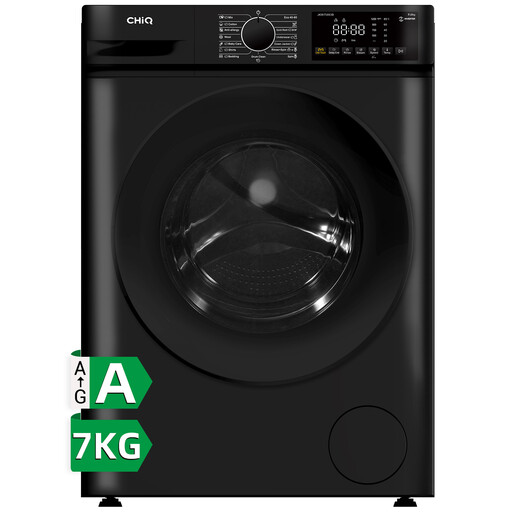
Why This Fits Their Persona: Its 7 kg capacity and 52 cm depth suit couples, students and smaller UK homes where floor space and regular running costs matter.
The listed A energy rating, 45 kWh per 100 cycles and 43-litre water use provide clearer comparison points than vague efficiency language. Check the exact label before purchase.
7 kg load, 1200 rpm spin speed, 15 programmes, steam wash and a quick-wash option.
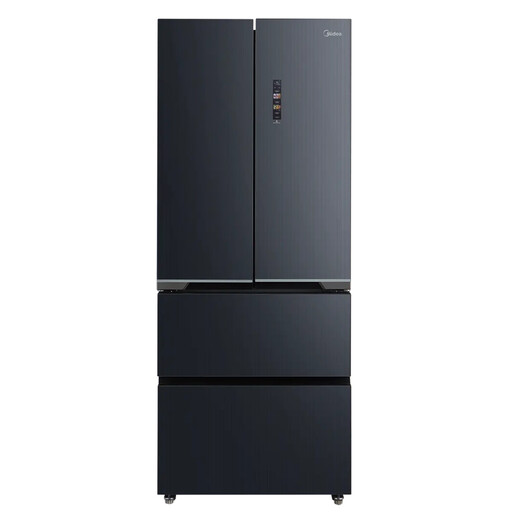
Why This Fits Their Persona: Families and homeowners who want generous storage without the depth of many American-style appliances may value its 60 cm depth and 75.3 cm width.
The specified dimensions, 285 kWh annual consumption and 35 dB noise level make it easier to assess fit, running use and suitability for open-plan rooms.
435-litre total capacity, Total No Frost design, external electronic display and separate freezer drawers.
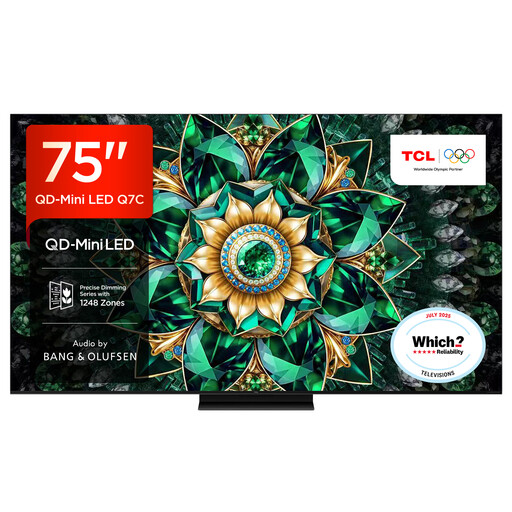
Why This Fits Their Persona: Film fans, gamers and households with a spacious lounge may appreciate a large 75-inch display with smart streaming and gaming-focused connections.
Rather than judging only by screen size, compare the 4K resolution, 144 Hz native refresh rate, HDMI 2.1 connectivity and viewing distance required for your room.
QD-Mini LED display, Google TV platform, multiple HDMI 2.1 ports and stated support for fast-motion gaming features.
We have compiled a complete, real-time list of products that fully satisfy these strict selection criteria and UK safety regulations.
Smartwatches and fitness trackers can provide notifications, activity records, sleep information and sensor readings. Check battery duration, operating system compatibility, water-resistance rating and whether GPS works independently or through a connected phone.
Devices such as pulse oximeters should be treated as personal monitoring tools, not diagnostic equipment. Follow the instructions carefully: cold fingers, artificial nails and movement can affect readings. Results are for reference and should not replace medical advice.
Tumble dryers, electric cookers, washing machines and refrigeration products can make a noticeable contribution to household electricity use. Actual cost depends on the appliance’s kWh figure, household tariff and usage frequency. Compare the energy label and choose suitable capacity rather than automatically selecting the largest model.
Lifespan varies according to construction, maintenance, installation and frequency of use. Keeping filters clean, avoiding overloading, maintaining ventilation and following the user manual can support reliable operation. Check the manufacturer warranty and any registration requirements before ordering.
They can be worthwhile when remote control, cycle notifications, scheduling or usage information solves a genuine routine problem. Before purchasing, confirm app support, Wi-Fi requirements, data permissions and whether the appliance remains fully usable through its standard controls if the connection fails.