
24/7 Customer Support

Free returns

Same-day & Next-day Delivery

Quality Guaranteed

Unlock Your Welcome Offers: FREE Delivery | Up to 80% OFF | Free 30-day JoyPlus trial
Download the APP
Choosing home audio speakers can quickly become confusing. Product pages often highlight wattage, colourful lighting or “cinematic” sound while leaving out the details that determine whether the system suits your room, devices and everyday routine.
Three buying traps appear frequently:
A suitable choice starts with your main use: improving TV dialogue, listening at a desk, hosting parties, singing karaoke or building a more immersive home cinema system.
Power ratings can help you compare products within a similar category, but they should not be viewed alone. A compact soundbar designed for a bedroom TV will have different priorities from high-power Bluetooth speakers intended for a garden gathering.
Look for the driver configuration and bass arrangement. For example:
A built-in subwoofer can save space, but it may not deliver the same low-frequency output as a separate subwoofer. Conversely, a separate unit adds floor space and another power connection.
For televisions, check whether the soundbar supports HDMI ARC or eARC, optical input or Bluetooth TV connection. HDMI ARC can allow volume control through a compatible TV remote, while eARC supports higher-bandwidth audio formats.
The Samsung HW-Q990H/XC, for example, includes eARC, HDMI inputs, Wi-Fi and Bluetooth 5.3, together with DTS:X decoding and a wireless subwoofer. This type of connection range is more appropriate for a home cinema setup than a simple Bluetooth speaker.
Bluetooth is useful for music streaming, but it may introduce limitations with TV audio, such as delay or reduced format support. Always check your television’s manual before assuming a wireless soundbar will connect in the way you want.
Measure the available space before ordering. A soundbar must fit beneath or in front of the TV without blocking the screen or remote sensor. Also check whether wall mounting hardware is included.
For portable products, look beyond the word “portable”. The LG XBOOM RNC5 weighs 13.8 kg, while the LG XBOOM RNC9 weighs approximately 22.5 kg. The JBL PartyBox 720 is listed at 31 kg, with wheels and a handle for movement. These models may suit parties, but they are not ideal for carrying upstairs regularly.
Battery specifications also need careful reading. The PartyBox 720 supports up to 15 hours of playtime according to its supplied product information, but its two JBL Battery 600 packs are sold separately. Consider the complete purchase cost, charging arrangements and whether mains power will normally be available.
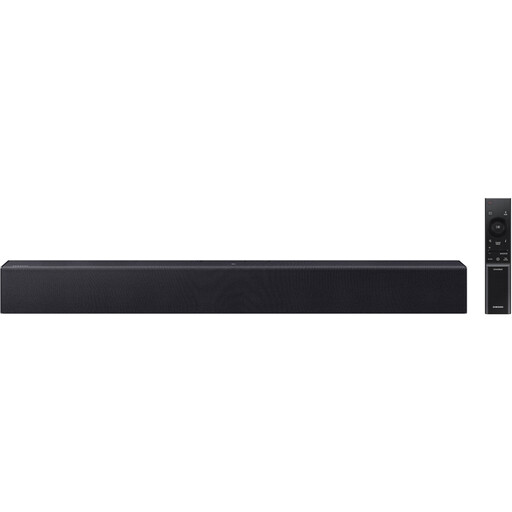
Why This Fits Their Persona: A practical option for UK households upgrading built-in TV audio without adding a separate subwoofer or rear speakers.
Its listed 40 W output, built-in woofer and 64.1 cm width make the size and system scope clear rather than relying on vague cinema language.
Voice Enhancement Mode, Night Mode, HDMI ARC and USB playback in a compact all-in-one design.
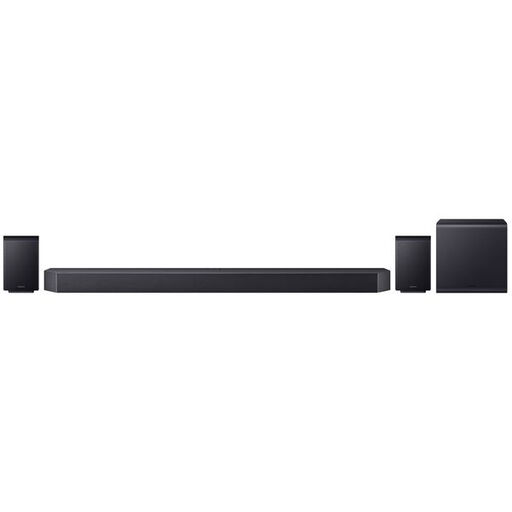
Why This Fits Their Persona: Designed for film and gaming enthusiasts wanting a multi-channel home entertainment system with extensive TV connectivity.
Its 11.1.4-channel layout, 23 speakers, wireless 300 W subwoofer and eARC specification provide concrete detail behind the surround-sound format.
756 W RMS rated power, DTS:X support, Wi-Fi, Bluetooth 5.3 and Game Mode.
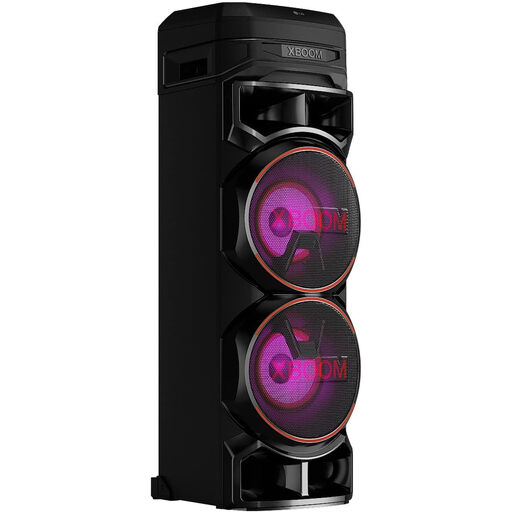
Why This Fits Their Persona: Suitable for hosts who want powerful party playback, karaoke, guitar input and visual effects for larger rooms or outdoor gatherings.
The approximately 22.5 kg weight is clearly stated, helping buyers plan storage and movement instead of assuming every party speaker is lightweight.
Dual 8-inch woofers, RGB lighting, microphone and guitar inputs, karaoke voice controls and Wireless Party Link.
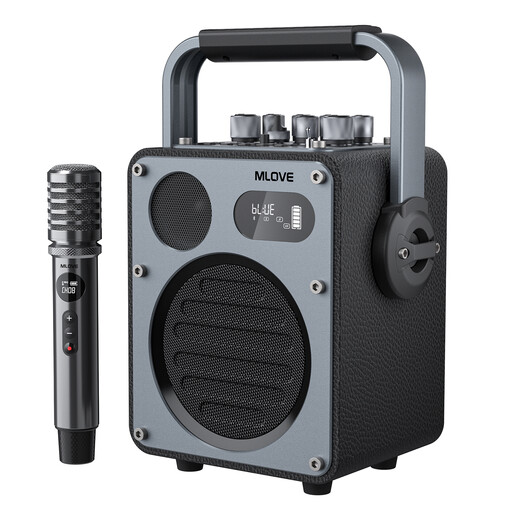
Why This Fits Their Persona: A flexible match for karaoke fans, musicians, streamers and content creators who need a rechargeable speaker with vocal and instrument functions.
Its listed 2.6 kg weight, USB-C charging, supplied wireless microphone and up to 10 hours of music playback make its portable use more specific.
Bluetooth 5.4, OTG live streaming, EQ modes, wired or wireless microphone support and optional wireless instrument connection.
Desktop speakers and bookshelf speakers can also be suitable alternatives. A desktop model such as the Xiaomi Desktop Speaker is intended for compact indoor setups, while passive bookshelf speakers such as the HiVi-Swans D3.1MKII require a separate amplifier. Neither should be selected solely because its product title includes “HiFi”; the complete system and connection requirements matter.
We have compiled a complete, real-time list of products that fully satisfy these strict selection criteria and UK safety regulations.
Soundbars are simpler to install and take less space, making them suitable for most living rooms. Separate bookshelf speakers can offer greater flexibility, but they need an amplifier, speaker cables and more placement space. Choose according to your room, equipment and willingness to manage a larger system.
Actual consumption depends on volume, operating time and standby behaviour. As a guide, compare the manufacturer’s typical and standby figures rather than assuming the maximum rated audio output is used continuously. Switching off equipment at the wall when it is not needed can reduce standby consumption.
Lifespan depends on construction, usage, ventilation, dust, moisture and battery ageing. Keep speakers dry, avoid blocked vents, do not exceed safe volume levels and use the supplied or approved charger. Rechargeable batteries may gradually hold less charge over time, even when the speaker itself remains functional.