What should you check before choosing?
Start with where the copy will live and how often you will update it; then check capacity, connections and the backup software you plan to use.
| Priority | What to check | Your needs |
|---|
| Recoverable copies |
Choose which folders to copy, how often to update them and where the separate copy will be kept. Test restoring a few files. The UK National Cyber Security Centre advises against leaving a backup device permanently connected when an offline copy is intended to reduce ransomware exposure. |
I want photos and documents I can recover if the laptop or its files are lost, not just extra space for the only copy. |
| Portability and transfers |
Check the drive's size, connector, laptop port and cable. Which? distinguishes generally faster SSD transfers from HDDs used for long-term backup; a quoted maximum speed also depends on the supported connection. |
My files travel with my laptop, or I copy a growing photo library often enough for transfer time to matter. |
| Archive capacity |
Estimate the space needed for current files and future copies. Decide whether the drive must travel: Seagate lists portable Expansion hard drives up to 5 TB and positions Expansion Desktop for larger, desk-based storage. |
A household photo and file archive is growing, but I can keep its storage in one place. |
| Several devices |
For NAS, check compatible internal drives, network setup, supported device-backup features and a separate backup destination. Synology documents external devices, another NAS and cloud services as Hyper Backup destinations. |
More than one computer or phone needs shared access or a regular route for copying files at home. |
| Backup compatibility |
Check the intended operating system, file format and backup utility before formatting a disk. Apple prefers APFS or APFS Encrypted for a Time Machine disk; Seagate cautions against using exFAT for built-in tools such as Time Machine and File History. |
I need the drive to work with my actual Mac or Windows backup routine, rather than only move ordinary files between computers. |
Joybuy portable storage options
These portable SSDs and hard drives are options for carrying a photo library or keeping a laptop backup copy. Choose between them using the capacity you need, your computer's connection and the format required by your backup routine.
 No image available
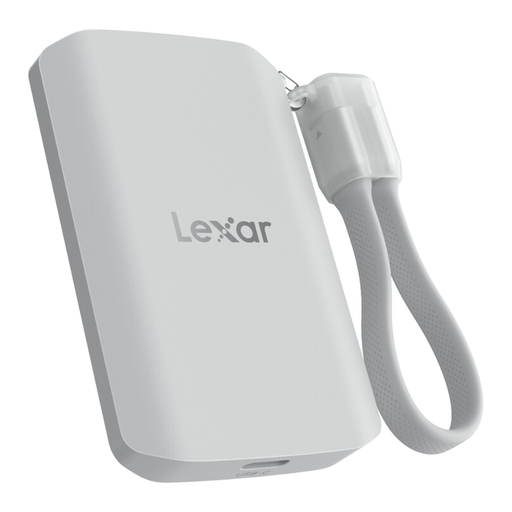
Lexar ES5 portable SSD 1TB, USB 3.2 Gen 2x2
A portable option for repeated photo transfers when the computer supports its USB 3.2 Gen 2x2 connection. The product name advertises read and write speeds of up to 2000MB/s; check the host connection for that speed and confirm the drive's format suits your backup tool.
View on Joybuy
 No image available
Samsung MU-PE1T0S portable SSD 1TB, black
This 1TB portable SSD is an option for a copy that travels with a laptop. Its name specifies USB Type-C 3.2 Gen 2; check the host and cable for the intended connection, and confirm the disk format before using a built-in backup utility.
View on Joybuy
 No image available
Western Digital My Passport Ultra for Mac 5TB, silver
This portable hard drive suits a sizeable photo and file copy that needs to move with a laptop. The listing describes Windows 10+ use as requiring a downloadable HFS+ driver; check that arrangement and the support for your chosen backup utility before buying.
View on Joybuy
 No image available
Samsung portable SSD T7 4 TB, grey
The 4 TB capacity makes this portable SSD an option for a larger photo library that still needs to travel. Its name specifies USB Type-C 3.2 Gen 2; confirm the disk format for your intended backup tool, and do not treat it as water-resistant.
View on Joybuy
 No image available
Western Digital Elements portable hard drive 4TB, black
This 4TB portable hard drive is an option for carrying a sizeable copy of photos and documents. The product name specifies USB 3.0; confirm its supplied format and any reformatting needed for your Mac or Windows backup routine before putting files on it.
View on Joybuy
Common questions
Can one external drive move files between Mac and Windows?
Yes, exFAT can be used for ordinary file exchange between modern Macs and Windows computers, according to Seagate. That does not make it the right format for a built-in backup tool: Seagate cautions against exFAT for File History and Time Machine, while Apple prefers APFS or APFS Encrypted for a Time Machine disk.
Can a Windows laptop make regular backups to an external drive?
Yes. Microsoft Support says File History can make regular backups to an external drive or network location once configured. Check that the folders containing your photos and documents are included, then try restoring a file.
Does a NAS automatically protect every photo stored on it?
No. A NAS can centralise files and run backup tasks, but files held only on that NAS still need a separate copy. Synology lists external devices, another NAS and cloud services as Hyper Backup destinations; choose a destination you can restore from.
Should an offline backup drive stay connected?
No, not if its purpose is to remain an offline copy. The UK National Cyber Security Centre advises against keeping the device containing that backup permanently connected as a way to limit ransomware exposure. Plan when to connect it for updates and check that you can restore the files.
Why might a computer show less capacity than the drive label?
The displayed figure can differ because the drive label and operating system use different measurement standards. Seagate explains that drive capacity is labelled in decimal bytes; formatting and other functions can also use some space.


