
24/7 全天候客户支持

免费退货

当日/次日达

品质保障

开启新人专享福利: 全场免邮 | 低至 2 折 | 免费试用 30 天 JoyPlus 会员
下载 Joybuy
Buying a home blood pressure monitor should make regular readings simpler, not create another source of confusion. UK shoppers often focus on a low price or a long list of health features, then discover that the cuff is unsuitable, the display is difficult to read or replacement batteries cost more than expected.
A practical choice starts with how the device will be used. Older people, carers and families tracking readings over time may need different features from someone who wants a compact digital BP machine for occasional use.
A monitor may appear affordable, but an unsuitable cuff can make it uncomfortable to use and may affect measurement consistency. Check the upper-arm circumference range, rather than relying only on descriptions such as “adult” or “large”.
For example, a medium cuff may cover 22–32 cm, while a large cuff blood pressure monitor may cover 22–42 cm or 22–42 cm-plus, depending on the model. Measure the upper arm before ordering, particularly when buying for a parent or another family member.
A health monitoring smartwatch can be useful for activity, sleep and general wellness trends. However, product safety information commonly states that smartwatch blood pressure, glucose, oxygen or ECG features are for reference and are not intended to diagnose or manage illness.
For readings that need to be recorded for a healthcare appointment, an automatic upper arm blood pressure monitor is generally the more practical category to consider. A smartwatch can complement—not replace—a suitable cuff-based device.
Irregular heartbeat detection can flag an irregular pulse during a measurement, but it is not a diagnosis. Similarly, colour bars and hypertension indicators help display results, yet they do not explain why a reading may be high.
Look for straightforward operation, a clear display and useful blood pressure memory storage, while following the instructions and discussing persistent concerns with a healthcare professional.
An upper-arm monitor should sit correctly around the arm, with the tube positioned as instructed and the arm supported at heart level. A 22–42 cm cuff can suit several adults in one household, but always compare the stated range with the user’s measurement.
A compact body may help with storage or travel, although portability should not come at the expense of a readable screen or a suitable cuff.
For a blood pressure monitor for home use, consider:
Two-user memory is useful when partners share one device. Storage capacity varies considerably: some models hold 30 readings for one user, while others store 90 or 120 readings per user.
Check whether the monitor uses AA or AAA batteries for blood pressure monitor operation, whether a USB cable or power adaptor is included, and whether batteries are supplied. Keep spare batteries available, but do not mix new and used cells. Alkaline batteries should not be recharged and should be removed from devices that will not be used for long periods.
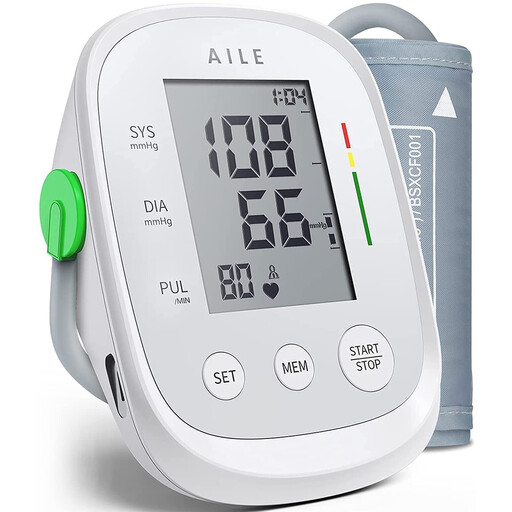
Why This Fits Their Persona: A practical option for first-time buyers and households wanting a large cuff, two user profiles and USB or battery power.
Its stated 22–42 cm cuff range avoids the common mistake of buying a narrow adult cuff, while the two-user memory prevents shared readings being mixed together.
Stores up to 99 readings per user, averages the last three readings and includes a large digital display.
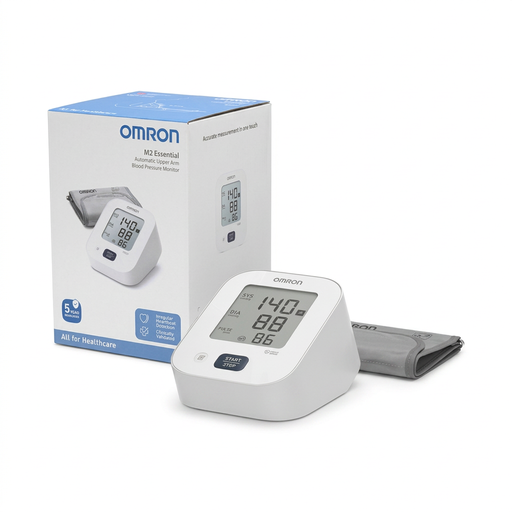
Why This Fits Their Persona: Suitable for shoppers prioritising a recognised format, simple controls and supplied batteries for regular home monitoring.
The included 22–32 cm cuff makes the required fit clear, reducing uncertainty caused by vague “universal” sizing.
Includes 30 measurement records, body-movement and cuff-wrapping indicators, plus four AA batteries.
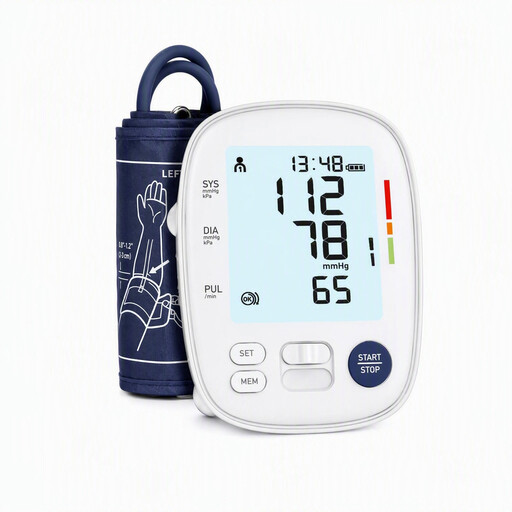
Why This Fits Their Persona: Designed for families who want a larger display, separate records and flexible operation around the home.
The 63 × 81 mm LCD, 22–42 cm cuff and cuff-placement and movement alerts address common usability and fit problems.
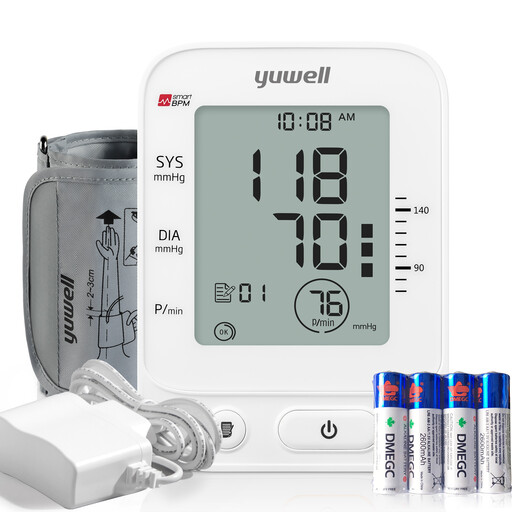
Why This Fits Their Persona: The large display, one-touch operation, wide-range cuff and included power adaptor suit users who value visible results and straightforward setup.
Its stated 22–42 cm cuff range and 3.6-inch display make the key fit and readability details clear before purchase.
Provides 99-reading memory storage, irregular-heartbeat detection and an included power adaptor, according to the product listing.
We have compiled a complete, real-time list of products that fully satisfy these strict selection criteria and UK safety regulations.
A spare pack of AAA batteries can be useful for compatible monitors, glucose meters and other household devices. Check the product manual first, since some monitors use AA batteries or a mains adaptor instead. Replace all batteries together and store unused cells in a cool, dry place away from children.
A glucose meter is a separate device with its own strips, lancets and hygiene requirements. Do not share lancets or test equipment. For broader wellness information, products such as the Google Fitbit Versa 4 fitness smartwatch offer activity, sleep and heart-rate features, but their health data should be treated according to the manufacturer’s safety guidance.
Sit quietly for around five minutes, place the cuff on bare skin as instructed and support the arm at heart level. Keep still and avoid speaking while the device measures. Read the manual for the exact cuff position and operating instructions.
Lifespan depends on construction, storage, frequency of use and battery care. Keep the monitor dry, avoid direct sunlight and impacts, and follow the manufacturer’s maintenance guidance. If the cuff becomes damaged or the display behaves inconsistently, check the warranty and consider replacing the affected equipment.
The main ongoing costs are batteries and, where applicable, replacement cuffs. USB or mains-powered models can reduce battery use, while battery-only portable blood pressure machines are convenient for travel. Compare the power method and included accessories before buying.