
24/7 全天候客户支持

免费退货

当日/次日达

品质保障

开启新人专享福利: 全场免邮 | 低至 2 折 | 免费试用 30 天 JoyPlus 会员
下载 Joybuy
Keeping our homes clean and healthy is a priority for many of us, from families with young children to pet owners and allergy sufferers. The market for home cleaning appliances is filled with devices promising to make this easier. However, navigating the technical jargon and marketing claims can be challenging. Many well-intentioned purchases end in disappointment when the product fails to live up to its promises.
As a Joybuy Product Recommendation Officer, my role is to help you sidestep common purchasing mistakes. Before you invest, let's look at a few pitfalls that often catch UK buyers out.
To make a smart choice, it's helpful to understand a few key specifications. Focusing on these will ensure the appliance you choose is effective for your needs.
Many products claim to have HEPA filters, but not all are created equal. For those concerned with allergens, dust and pollutants, this is a critical feature.
For vacuum cleaners and air purifiers, performance is a balance between power and practicality.
Instead of a one-size-fits-all approach, we've matched a few appliances to specific UK household needs. This helps illustrate how to choose a product that solves your particular cleaning challenges.
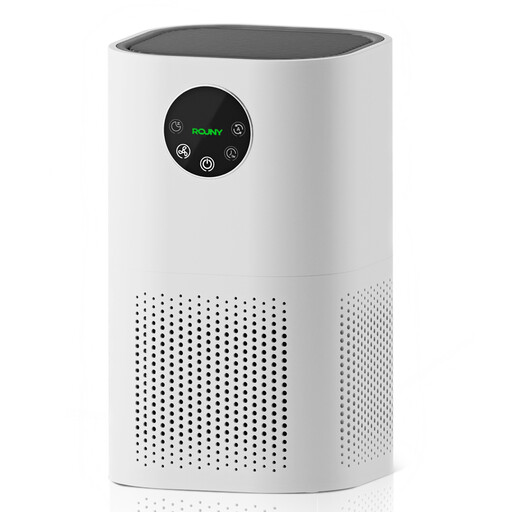
Why This Fits Their Persona: This model is well-suited for typical UK room sizes. Its H13 True HEPA filter is effective against common allergens like pollen and dust, while the ultra-quiet sleep mode ensures it won't disturb your rest in a bedroom or flat.
Its 150m?/h CADR is appropriately matched for bedrooms and small living rooms, avoiding the "bigger is better" trap of paying for unused capacity. The filter replacement cycle of 6-8 months is reasonable, preventing excessive hidden costs.
Features a quiet sleep mode (≤25dB) and a real-time air quality display, which provides useful feedback on your indoor environment.
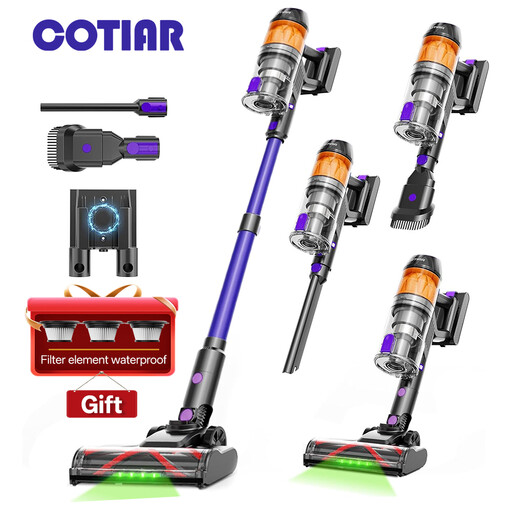
Why This Fits Their Persona: Designed with pet owners in mind, this vacuum combines high suction power to lift stubborn pet hair from carpets and upholstery with a long runtime. The anti-tangle brush head is a practical feature that reduces maintenance.
With a 60-minute runtime, it directly counters the "cordless runtime trap," making it a viable tool for cleaning larger areas. It also comes with three HEPA filters, addressing the "hidden cost" concern from the outset.
Its combination of strong suction, a dedicated anti-tangle brush for pet hair and a lay-flat design for cleaning under furniture makes it highly practical.
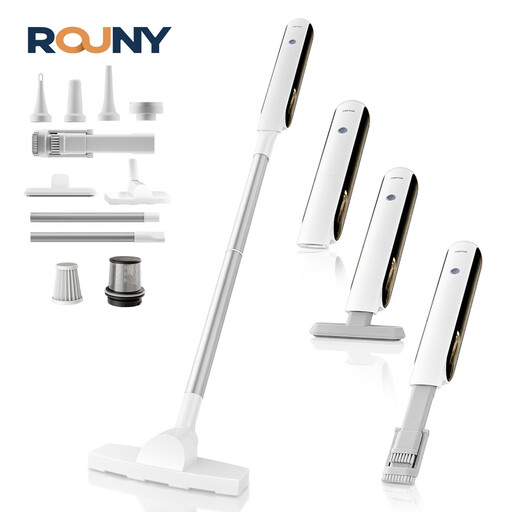
Why This Fits Their Persona: This is a versatile tool for targeted cleaning. It functions as a **handheld car vacuum** and can also be used for quick clean-ups around a desk or in a workshop. The blower function is useful for clearing dust from keyboards and vents.
By being a specialised tool, its 15-30 minute runtime is perfectly adequate for its intended tasks, avoiding the "runtime trap" of all-in-one vacuums. Its washable HEPA filter also helps keep long-term running costs low.
The 2-in-1 vacuum and blower function, combined with an LED light for illuminating dark corners in a car, makes it a highly practical gadget.
We have compiled a complete, real-time list of products that fully satisfy these strict selection criteria and UK safety regulations.
Most manufacturers recommend replacing the filter every 6 to 12 months. However, this can vary. In homes with pets, smokers or located in areas with high outdoor pollution, you may need to replace it more frequently. Many modern purifiers have a filter replacement indicator light to remind you.
This depends on your home and cleaning habits. For smaller homes or flats, a high-performance cordless model with a long runtime (45+ minutes) and strong suction can often serve as the primary vacuum. For larger houses or those with deep-pile carpets, many people find it useful to have a cordless model for daily convenience and a more powerful corded vacuum for less frequent, deep cleaning.
For optimal performance, place your air purifier in an area with good air circulation. Avoid pushing it against a wall or tucking it behind furniture, as this can block the air intake and outlet. A spot at least a foot away from walls on all sides is ideal. The bedroom is a popular location to help improve air quality during sleep.