
24/7 全天候客户支持

免费退货

当日/次日达

品质保障

开启新人专享福利: 全场免邮 | 低至 2 折 | 免费试用 30 天 JoyPlus 会员
下载 Joybuy
As a Joybuy Product Recommendation Officer, my role is to help you navigate the crowded market of home cleaning appliances. Many UK households invest in these devices to tackle dust, allergens and pet dander, but not all products live up to their promises. This guide cuts through the marketing clutter to focus on what truly matters, helping you choose an appliance that genuinely improves your home environment without the buyer's remorse.
Before you add anything to your basket, be aware of two common traps that lead to disappointment and wasted money.
To avoid these pitfalls, focus on the specifications that directly impact performance and usability in a typical UK home.
When choosing an air purifier for home use, two factors are non-negotiable:
For a cordless vacuum cleaner, the balance between three elements is crucial:
Based on these practical criteria, here are some appliances suited to different needs and households.
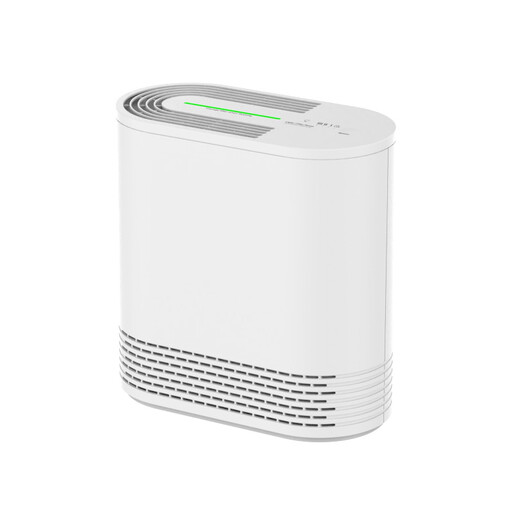
Why This Fits Their Persona: This compact unit is ideal for UK bedrooms or home offices where space is at a premium. It provides effective air purification for allergy sufferers without the cost or footprint of a large, industrial-looking machine.
It avoids the "CADR myth" by offering a sensible CADR of 85m?/h, perfectly matched for smaller rooms. You get efficient performance where you need it most, like in a quiet air purifier for bedroom use, without paying for power you don't need.
Features a 3-in-1 system with an H13 HEPA filter and a washable pre-filter, which helps reduce long-term running costs. The quiet sleep mode and night light make it ideal for overnight use.
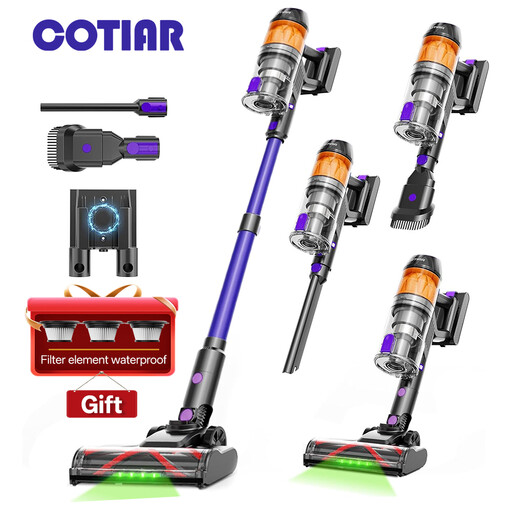
Why This Fits Their Persona: Designed for homes with pets, this vacuum combines high suction power with features that specifically address the challenges of pet hair on floors and furniture. The long runtime is practical for cleaning the whole house in one go.
It avoids the "cordless convenience trap" by offering a substantial 60-minute runtime and powerful suction (up to 40-50kPa). The anti-tangle brush head also prevents the common frustration of hair getting wrapped and reducing performance.
Comes with three brush heads for different surfaces and includes three replaceable HEPA filters, making it a good value package for maintaining clean air while vacuuming. The 180° lay-flat design helps clean under furniture.
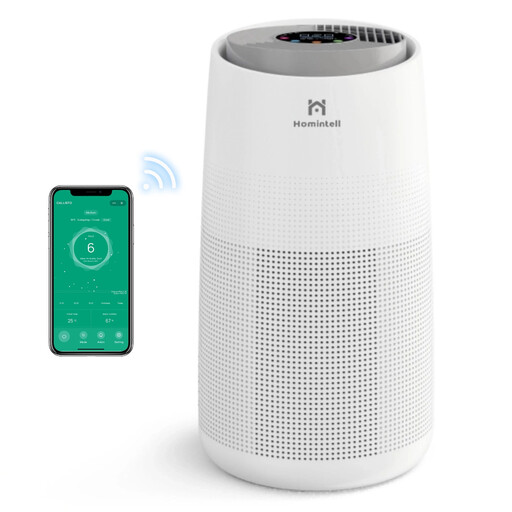
Why This Fits Their Persona: This is for the user who wants control and data. With WiFi connectivity, app control and real-time air quality sensors, it integrates seamlessly into a modern, connected home. It's one of the more advanced smart home cleaning devices.
Its powerful CADR of 300m?/h is genuinely suitable for larger open-plan living areas up to 36m?. The 'Auto' mode uses sensors to adjust fan speed, ensuring it operates efficiently rather than running at full power unnecessarily, thus avoiding the "bigger is better" trap.
Offers a full suite of features including an H13 HEPA filter, UV sterilisation, and an ioniser. The real-time display of temperature, humidity and air quality provides valuable feedback.
We have compiled a complete, real-time list of products that fully satisfy these strict selection criteria and UK safety regulations.
1. How often should I replace the HEPA filter in my air purifier? This depends on usage and your home's air quality, but a general guideline for most HEPA filters is to replace them every 6 to 12 months. Many modern purifiers have a filter replacement indicator light that will alert you when it's time for a change. A washable pre-filter can help extend the life of the main HEPA filter.
2. Can a cordless vacuum cleaner truly replace a corded one? For many smaller homes and flats, a high-quality cordless model with good suction and a runtime of over 40 minutes can absolutely replace a corded vacuum. However, for very large homes with extensive deep-pile carpeting, a powerful corded model may still be a useful tool for deep cleaning sessions, with a handheld vacuum or stick model used for daily upkeep.
3. What does a 'quiet' air purifier for a bedroom actually mean? A truly quiet air purifier should have a dedicated 'Sleep Mode' that operates at or below 30 decibels (dB). This is equivalent to the sound of a whisper and should not disturb your sleep. Always check the noise level specification for the lowest fan setting, as the maximum speed will always be significantly louder.