
24/7 全天候客户支持

免费退货

当日/次日达

品质保障

开启新人专享福利: 全场免邮 | 低至 2 折 | 免费试用 30 天 JoyPlus 会员
下载 Joybuy
Keeping a UK home clean can involve more than choosing a spray from the supermarket shelf. Carpets collect dust and pet hair, hard floors need the right amount of moisture, and bathroom grout can require repeated scrubbing. The right home cleaning products should reduce effort without creating storage, maintenance or compatibility problems.
Before buying, watch for three common marketing traps:
A useful buying decision starts with the job you need to complete, followed by the specifications that affect everyday use.
Hard floors, carpets, bathroom tiles and grout each need different cleaning methods. A vacuum with an adaptive floor nozzle can be more versatile than one designed for a single surface. For mopping, check whether a hard floor cleaning solution is compatible with sealed wood, laminate, vinyl and tile. Some flooring manufacturers recommend avoiding excess water or particular ingredients.
For grout, a targeted bathroom grout cleaner or an electric brush with an appropriate attachment may be more practical than using a general floor product. Always follow the flooring, appliance and cleaning-product instructions, particularly on natural stone, unsealed wood or painted surfaces.
Capacity determines how often a product needs attention. A small dust container may be suitable for a flat, while a family home or pet-owning household may benefit from a larger bag or bin. Cable length and working radius also matter: frequent socket changes can make a routine clean unnecessarily slow.
Storage is another overlooked specification. A Hoover bagged cylinder vacuum cleaner with attached tools may be easier to put away than a model whose hose and nozzle must be stored separately. For smaller homes, dissolvable strips and compact rechargeable tools can help reduce cupboard clutter.
For electrical cleaning equipment, check the supplied charger, operating instructions, warranty information and relevant UK product labelling. Do not use a rechargeable appliance in ways not permitted by its instructions, and keep electrical connections away from standing water.
For a cordless cleaning brush, battery runtime and charging time are more useful than a broad power statement. A motorised scrubber listed with approximately 60 minutes of operating time and a three-to-four-hour charge may suit occasional deep cleaning, but regular users should consider whether that runtime covers their rooms.
With cleaning liquids, read the label for dilution, surface compatibility, storage and first-aid information. Never mix household chemicals unless the manufacturer specifically says it is safe.
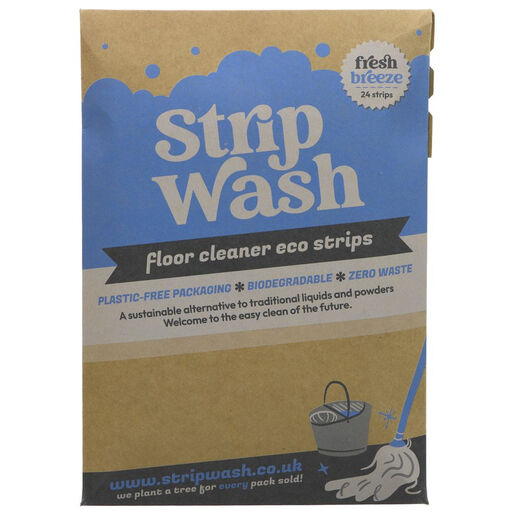
Why This Fits Their Persona: A practical option for renters, smaller flats and households wanting a compact floor-cleaning supply without storing large bottles.
The pack lists 24 dissolvable strips and gives a clear bucket-and-water method, avoiding the uncertainty of an unlabelled concentrate. Check the product label before use on a specific floor.
Plastic-free dissolvable format; compact 24-strip pack; listed for wood, tile, laminate and vinyl hard floors.
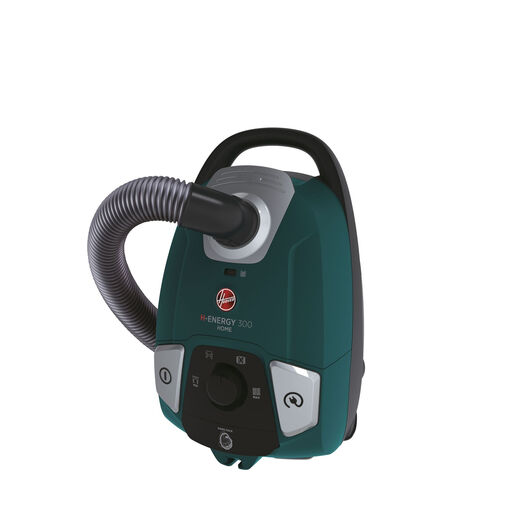
Why This Fits Their Persona: Suits homeowners or families wanting a corded vacuum with a defined capacity, longer reach and organised storage for regular whole-home cleaning.
The 3.5L bag capacity, 7m retractable cable and stated working radius of up to 9.5m provide measurable information instead of relying only on a “strong suction” description.
NanoPack storage keeps the hose, tube and nozzle attached; variable power and an adaptive floor nozzle support carpets, hard floors and delicate fabrics.
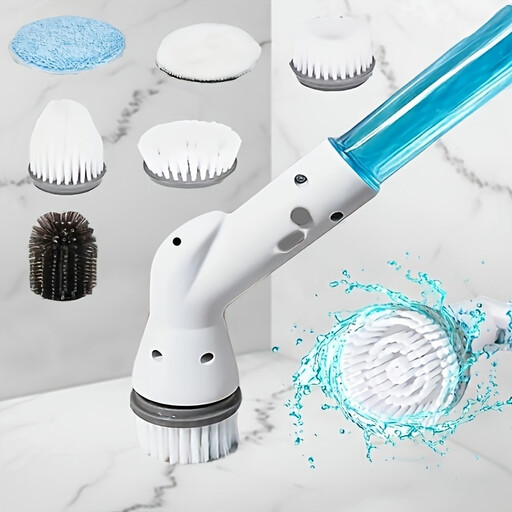
Why This Fits Their Persona: Designed for households tackling shower walls, tile grout, sinks, baths, kitchen backsplashes or outdoor furniture where hand scrubbing takes considerable effort.
The integrated liquid container shows how detergent is applied during use, while multiple brush heads identify the intended cleaning tasks more clearly than a generic cordless cleaning brush.
Cordless rechargeable design; approximately 60-minute operating time; extended handle and water-resistant construction for wet-area cleaning.
Use the vacuum first to remove loose dust, crumbs and pet hair. This prevents dry debris from turning into muddy residue when you mop. Select a suitable power level for delicate fabrics, and empty or replace the bag before airflow becomes restricted.
For floors, dilute or dissolve the cleaning product exactly as directed. A plastic-free floor cleaner in strip form can reduce bottle storage, but it still needs to be kept dry and away from children and pets. Use a clean mop and avoid leaving excess water on wood or laminate.
For bathrooms, allow the cleaning solution time to work according to its label before using an electric spin scrubber. Choose a brush head that matches the surface and use lighter pressure on fixtures, glass or finishes that could scratch. Rinse where instructed and dry the area to help limit water marks.
Those comparing zero-waste cleaning products should assess the complete routine rather than packaging alone: refill or replacement availability, transport, dosage, storage life and disposal all affect convenience.
We have compiled a complete, real-time list of products that fully satisfy these strict selection criteria and UK safety regulations.
They are listed for several hard floor types, including wood, tile, laminate and vinyl. However, “wood” can cover different finishes, so check the flooring manufacturer’s care guidance and the product label first. Use only the recommended amount of water and solution.
Running cost depends on electricity use, cleaning frequency and replacement bags. A 3.5L bag can reduce how often it needs changing, while a 7m cable and up to 9.5m working radius may reduce interruptions during cleaning. Check the appliance instructions for compatible replacement bags.
The Iagreea Electric Spin Scrubber lists an approximate three-to-four-hour charging time and up to 60 minutes of operation. Actual runtime can vary with brush head, load and usage. Charge it fully before a larger bathroom-cleaning session and store it dry as directed.