
24/7 Customer Support

Free returns

Same-day & Next-day Delivery

Quality Guaranteed

Unlock Your Welcome Offers: FREE Delivery | Up to 80% OFF | Free 30-day JoyPlus trial
Download the APP
Tired of instant coffee and longing for that rich, aromatic brew from your favourite café? Bringing that experience into your own kitchen can feel like a significant step up. However, the market for home coffee machines is vast and varied, making it difficult to know where to start. From speedy pod systems to all-in-one automatic machines, choosing the right model depends entirely on your lifestyle, budget and coffee preferences.
This guide is designed to help you navigate the options. We will break down the different types of coffee machines available, highlight key features to look for and present a few of our top recommendations to help you find the perfect fit for your daily routine.
Before diving into specific models, understanding the main categories and features will help you narrow down your search.
The first decision is what kind of coffee-making experience you want. Each type offers a different balance of convenience, control and cost.
Here are a few standout models that cater to different needs and preferences, helping you replicate that coffee shop experience at home.
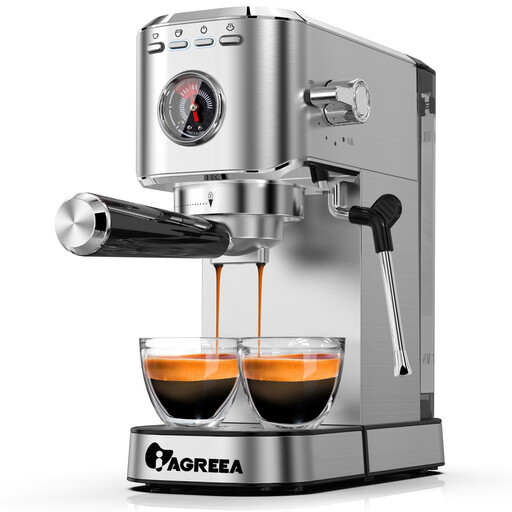
Why It Stands Out: This machine brings a professional, hands-on feel to your kitchen counter. The built-in pressure gauge is a standout feature, allowing you to monitor the 20-bar high-pressure extraction in real-time. This gives you valuable feedback to help you pull the perfect shot. Paired with a powerful steam wand and a durable stainless steel body, it offers a comprehensive setup for the aspiring home barista.
Pros:
Who is it for? This is an excellent choice for the coffee enthusiast who wants to learn and perfect the art of making espresso. If you enjoy the ritual of grinding beans, tamping the portafilter and steaming your own milk for a latte, this machine provides the tools and control you need.
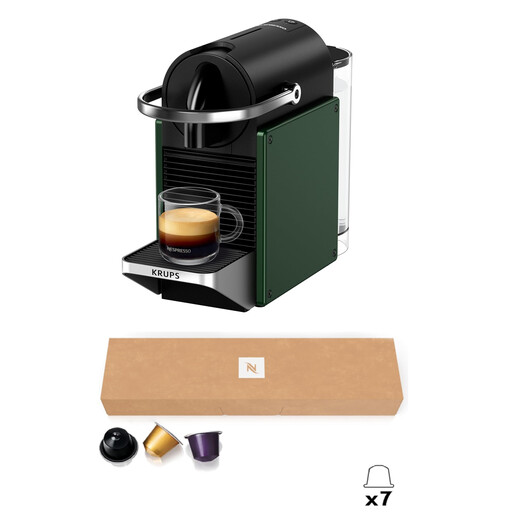
Why It Stands Out: The Pixie is all about delivering great coffee with maximum speed and minimal fuss. Its tiny footprint and industrial-inspired design make it a stylish addition to any kitchen. With a 19-bar pressure pump and a heat-up time of just a few seconds, it produces a rich, consistent espresso or lungo at the touch of a button. It’s the definition of convenient, high-quality coffee.
Pros:
Who is it for? Perfect for those with busy lifestyles who value convenience above all else. If you need a reliable, quick and easy way to get your morning coffee without compromising on taste, this Nespresso machine is a fantastic option. It's also great for small flats, home offices or anyone new to home espresso.
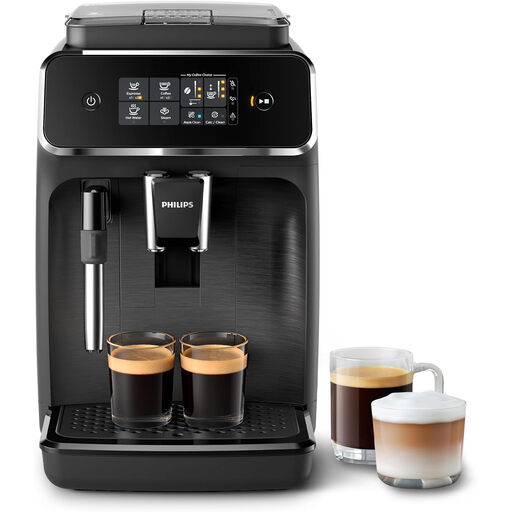
Why It Stands Out: This Philips model offers the best of both worlds: the freshness of a bean to cup coffee machine and the simplicity of an automatic system. Its intuitive touch display makes it easy to select and customise your drink. The durable 100% ceramic grinder has 12 settings, giving you precise control over your grind, while the classic milk frother lets you prepare creamy cappuccinos. Maintenance is also simplified with dishwasher-safe parts and the AquaClean filter system.
Pros:
Who is it for? This machine is for the coffee lover who wants café-quality drinks made from fresh beans, but without the manual work. It’s ideal for households where different people have different preferences, as settings can be adjusted easily for each cup. If you want an all-in-one home coffee machine that delivers consistently great results, this is a strong contender.
If these models aren't quite what you're looking for, there are many other styles and features to discover. From integrated grinders to advanced milk systems, our full collection offers a wider selection to suit every kitchen and budget.
Explore our complete range of barista machines here.
1. What is the main difference between a bean-to-cup and a manual espresso machine? A bean-to-cup machine is a fully automatic system that grinds beans, tamps the coffee and brews it with one touch. A manual espresso machine requires you to grind the beans separately, fill and tamp the portafilter yourself and manually start and stop the extraction. The former prioritises convenience, while the latter offers more control over the process.
2. Is a higher bar pressure always better in a coffee machine? Not necessarily. While high pressure is needed for espresso, the key is consistency. Most coffee professionals agree that 9 bars of pressure applied at the coffee puck is the ideal for a balanced extraction. Many home machines are rated at 15 bars or more to ensure they can consistently deliver at least 9 bars throughout the brewing process, overcoming any inconsistencies in the coffee grind or tamp.
3. How important is a milk frother on a coffee machine? This depends entirely on your drink preferences. If you exclusively drink black coffee or espresso, a milk frother is unnecessary. However, if you enjoy lattes, cappuccinos, flat whites or macchiatos, a coffee machine with a milk frother is essential for creating the steamed and frothed milk required for these drinks.