
24/7 Customer Support

Free returns

Same-day & Next-day Delivery

Quality Guaranteed

Unlock Your Welcome Offers: FREE Delivery | Up to 80% OFF | Free 30-day JoyPlus trial
Download the APP
From checking a wall before drilling to monitoring blood glucose or investigating a dashboard warning light, home testing and diagnostic tools can save time and prevent avoidable mistakes. However, choosing by headline features alone can lead to disappointing results, unsuitable accessories or unexpected running costs.
This guide explains the specifications worth checking before you buy, then matches selected products to different home users, DIY enthusiasts and vehicle owners.
A stud detector, non-contact voltage detector or OBD2 car diagnostic scanner provides information to guide your next step. It does not remove the need for visual checks, manufacturer instructions or professional support where appropriate.
For example, a stud sensor may locate likely wood or metal behind a surface, but wall thickness, moisture and construction materials can affect readings. Similarly, a non-contact voltage detector can indicate the presence of AC voltage, but it should not be treated as the only check before electrical work.
Compatibility is often more important than a long feature list. A LAN cable tester must support the connector type you use, while a blood glucose monitor requires the correct test strips. Test strips are generally not interchangeable between different meters or models.
For an automotive diagnostic tool, check the vehicle’s make, model, year and communication protocol. Some scanners support engine fault codes only, while others offer wider access to systems such as ABS, SRS or transmission modules.
The initial purchase price is only part of the cost. Batteries, replacement lancets, glucose test strips and specialist accessories may affect long-term value. Check whether batteries are included and how many consumables arrive in the package.
A paint tester pot also has a practical limitation: a small sample shows colour and finish, but it does not provide enough paint for a full decorating project. Apply it where natural and artificial light will reach the wall, and allow it to dry before deciding.
For a stud detector, look for separate wood and metal detection depths, plus a clear way to mark the centre. The Stanley Stud Detector Sensor is specified to detect wood studs up to 25mm deep and metal studs up to 38mm. It also includes audible alerts, directional LED lights, auto-calibration and a centre marking channel.
A non-contact voltage detector should state its AC detection range and safety category. The C.K. model listed here detects AC voltage from 70–1000V AC, has a double-insulated body and is rated CAT IV 1000V for fixed-installation environments. Select the version carefully: one model uses a visual LED indicator, while another adds an audible alarm.
Always isolate circuits according to proper UK electrical safety procedures. A non-contact tester is an indication device, not a substitute for safe isolation and suitable verification.
When selecting a blood glucose monitor or diabetes testing kit, check:
The supplied Sinocare kits offer five-second readings, with some models requiring a 1μL or 0.6μL sample. The Yuwell Model 710 includes 50 strips, 50 lancets, a lancing device, a CR2032 battery and a case, while storing up to 250 readings with dated averages.
These devices are for self-monitoring and in vitro diagnostic use as specified by the product information. They should not replace medical advice or be used alone to diagnose or manage a condition. Read the instructions, check expiry dates and dispose of used lancets safely.
For home networking, a LAN cable tester should match the connectors in your installation. The Silverline tester supports RJ11, RJ12 and RJ45 cables and can identify connection errors, short circuits and open circuits. Its master and remote units are useful when testing a cable installed between rooms.
For an OBD2 scanner, check the app platform, Bluetooth requirements, subscription conditions and vehicle coverage. Features such as oil reset, battery testing or full-system scanning may vary by vehicle. Confirm compatibility before purchase rather than assuming that every advertised function will work with every car.
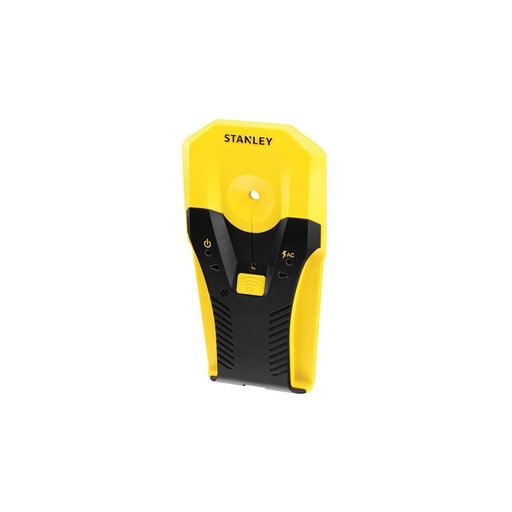
Why This Fits Their Persona: A practical option for UK homeowners hanging shelves, pictures or a television without buying several separate wall-location tools.
It states separate wood and metal detection depths and includes auto-calibration, helping reduce errors caused by an incorrect starting position.
Detects wood, metal and stated AC live-wire locations; two AAA batteries are supplied.
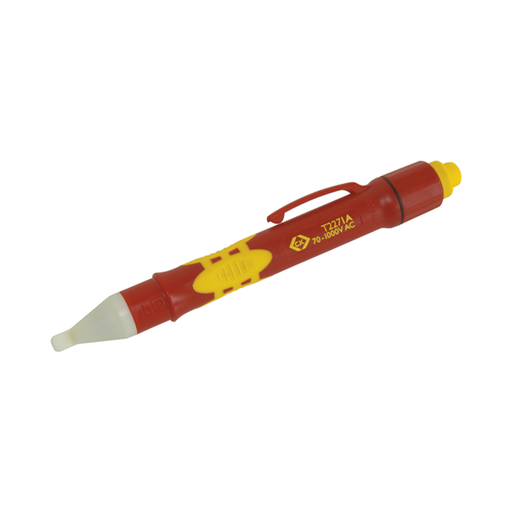
Why This Fits Their Persona: Suitable for electricians and confident DIY users who want a clearly specified electrical indication tool for fixed installations.
The stated 70–1000V AC range and CAT IV 1000V classification make the intended operating scope easier to assess.
Double-insulated body, pocket clip and visual LED indication; an alternative model adds an audible alarm.
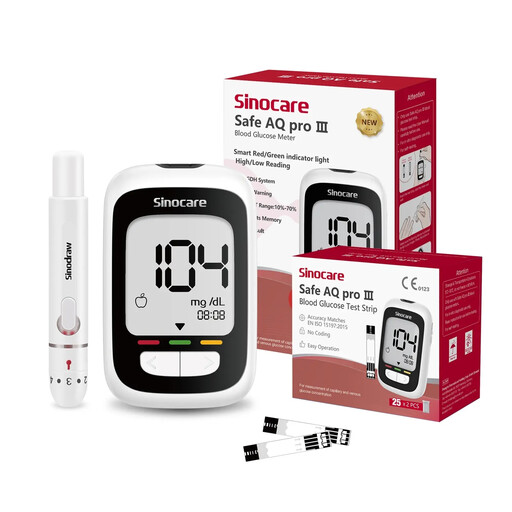
Why This Fits Their Persona: Designed for users who need a complete home health monitoring set with a meter, carrying bag and a larger supply of consumables.
The package contents are clearly stated: 50 strips, 50 lancets, one lancing device, meter, manual and bag. The mmol/L format suits UK users.
Five-second readings, automatic coding and stated FAD-GDH enzyme technology.
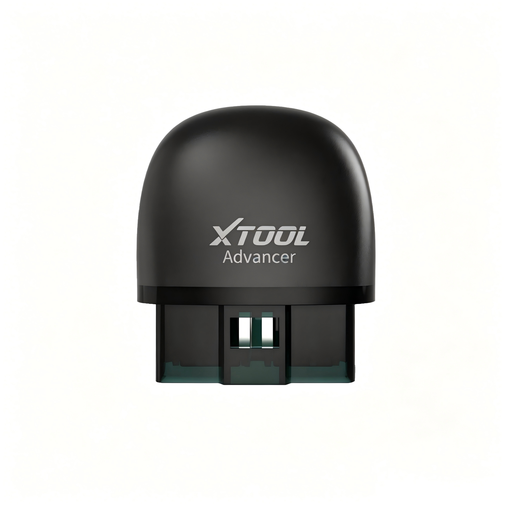
Why This Fits Their Persona: A wireless automotive diagnostic tool for vehicle owners who want live data and broader system checks through an iOS or Android device.
It lists Bluetooth connectivity, AutoVIN, full-system scanning and no subscription for standard diagnostics. Vehicle compatibility still needs checking before purchase.
Supports live data, battery voltage checks, oil reset and OBD2 functions through a wireless phone connection.
We have compiled a complete, real-time list of products that fully satisfy these strict selection criteria and UK safety regulations.
Start with compatibility, measurement range, included accessories and replacement costs. For electrical tools, check the stated voltage range and CAT classification. For glucose meters, confirm the mmol/L display and compatible strip model. For car scanners, verify vehicle coverage and whether advanced functions require payment or support only selected vehicles.
The device itself may last for years when stored correctly, but batteries and consumables have shorter useful periods. Check test-strip expiry dates, reseal glucose-strip containers promptly and replace damaged cables or electrical testers. Paint tester pots should be used according to the label and stored away from heat and children.
They can support routine DIY checks and help identify a possible issue, but they do not replace qualified electrical work, vehicle repair judgement or healthcare advice. Treat readings as information, follow the supplied instructions and seek appropriate professional help when the result is uncertain or safety-critical.