
24/7 Customer Support

Free returns

Same-day & Next-day Delivery

Quality Guaranteed

Unlock Your Welcome Offers: FREE Delivery | Up to 80% OFF | Free 30-day JoyPlus trial
Download the APP
Buying home fitness equipment can make regular exercise more convenient, but an attractive product page does not always reveal whether a machine or accessory will suit your home. The right choice depends on available space, intended use, user weight, noise, maintenance and how easily the equipment fits into your routine.
This guide explains the practical specifications to check before buying, then matches selected products with different UK lifestyles and training needs.
A treadmill or walking pad may fit neatly under a desk, yet its belt length, speed range and maximum user weight still determine how useful it is. A short running surface may be acceptable for gentle walking but feel restrictive for longer strides or running.
Check the full dimensions, not just the folded or stored height. Also confirm whether the equipment is intended for walking, jogging, running or desk-based use.
A stated weight limit is important, but it is not the only consideration. The user’s body weight and any added weights must remain within the stated capacity. Equipment should also be placed on a level, stable surface and checked regularly for loose parts, damaged materials or belt alignment issues.
For a weight bench, remember that the capacity generally includes the user plus the weights being lifted. This is particularly important when comparing home gym equipment for heavier loads.
Connected apps, smart tracking and multiple workout modes can be useful, but only if you will use them. A fitness smartwatch may support activity monitoring, while a jump rope offers portable cardio exercise equipment with very little storage demand. Neither replaces a suitable exercise plan or appropriate safety precautions.
Before purchasing, identify your primary goal: daily movement, cardio fitness, strength training, weight management or an active workstation.
For a treadmill, compare these points:
A compact under-desk treadmill is generally more appropriate for walking while working than for unrestricted running. Keep hands, hair and loose clothing away from the belt, and supervise children around moving equipment.
When choosing a fitness smartwatch, check compatibility with your smartphone, charging method, app requirements and the type of data provided. The Google Fitbit Sense 2 requires the Fitbit app and Bluetooth pairing. It includes features such as heart-rate tracking, stress-management tools and on-wrist notifications.
Treat wellness data as general information rather than a diagnosis. The supplied product information states that this is not a medical device. Keep the watch and band clean, use the official charging accessory and remove it if skin irritation occurs.
For an adjustable jump rope, prioritise:
Inspect the rope before every session and keep it away from young children because of tripping and entanglement risks.
A heavy-duty exercise bench should be assessed for frame material, dimensions, stability, padding, assembly and total load capacity. The SPORTSOUL flat weight bench uses a carbon steel frame and lists a capacity of 610 lb (277 kg), including the user and weights.
A flat bench can support exercises such as dumbbell presses, chest expansion and abdominal work, but it does not provide the same positioning options as an adjustable bench. Check that the bench fits your room and that wheels, bolts and support points are secure before each workout.
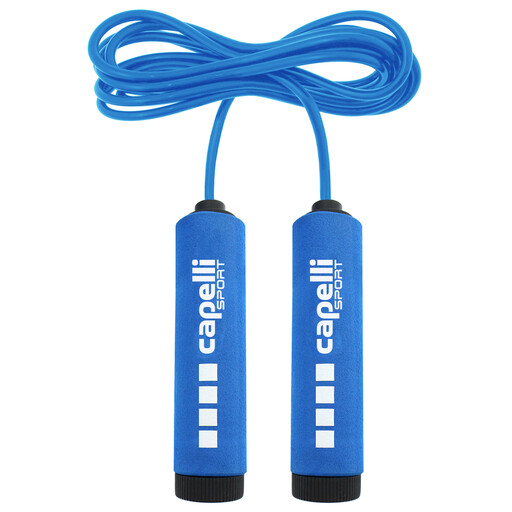
Why This Fits Their Persona: A low-storage cardio option for beginners in UK flats or anyone building a simple home workout routine without large equipment.
Its adjustable length helps avoid buying a rope that is too long or short, while the clear-space warning encourages safer setup.
Adjustable length up to 9 feet; foam handles; portable PVC construction.
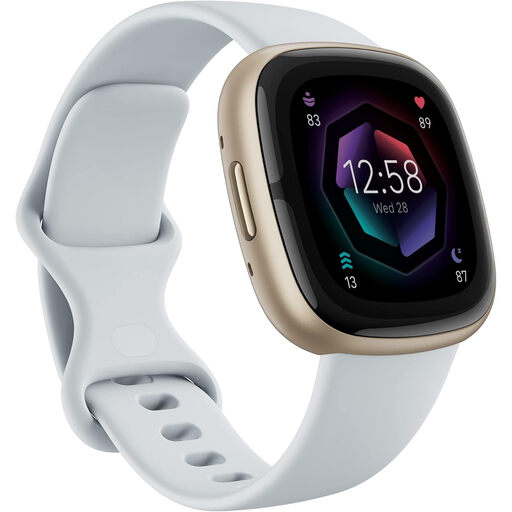
Why This Fits Their Persona: Suitable for users who value connected activity tracking, smartphone notifications and a dedicated app for reviewing daily movement.
The listing clearly identifies app pairing, charging and wellness-device limitations, helping buyers set realistic expectations.
Heart-rate tracking; EDA Scan stress-management tool; on-wrist notifications.
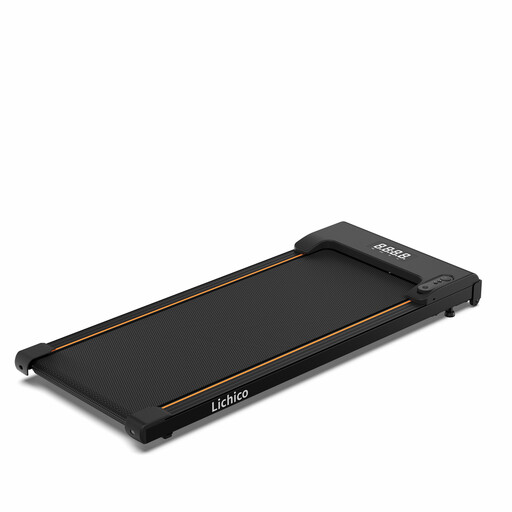
Why This Fits Their Persona: Its low-profile format suits home-office users who want to walk near a standing desk while keeping equipment demands relatively contained.
The product specifications state its 120 x 50 x 10.5 cm dimensions and 130 kg maximum capacity, making space and load checks more straightforward.
Steel frame; compact under-desk dimensions; stated 130 kg maximum capacity.
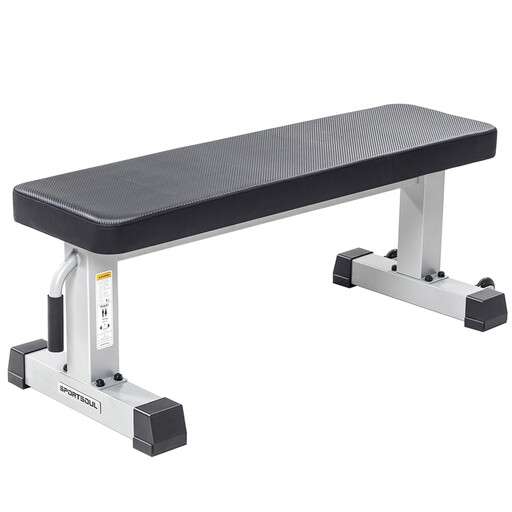
Why This Fits Their Persona: A practical option for home-gym users prioritising a steel frame, broad exercise compatibility and a higher stated load limit.
The listing specifies a 277 kg total capacity and provides assembly, bolt-checking and level-surface guidance rather than relying on vague stability language.
Carbon steel tube frame; 277 kg stated capacity; built-in wheels for movement and storage.
We have compiled a complete, real-time list of products that fully satisfy these strict selection criteria and UK safety regulations.
Running costs depend on the product. A jump rope or weight bench has no electricity cost, while a treadmill or walking pad uses mains power. Actual consumption varies by motor, speed, workout duration and electricity tariff. Check the product’s rated electrical information and use it only with a suitable UK outlet and the supplied instructions.
Measure the machine in its operating position, not only its stored dimensions. Allow room to step on and off safely, keep the area clear of furniture and check whether the treadmill can be stored upright or under a desk. An under-desk model such as the Lichico lists a 10.5 cm height, but the surrounding workspace still needs sufficient clearance.
Lifespan varies with construction, frequency of use, user load and maintenance. Clean walking belts, follow lubrication guidance, tighten bench bolts periodically and store equipment indoors in a dry area. Avoid exceeding stated capacities, as misuse can increase wear and create avoidable safety risks.