
24/7 Customer Support

Free returns

Same-day & Next-day Delivery

Quality Guaranteed

Unlock Your Welcome Offers: FREE Delivery | Up to 80% OFF | Free 30-day JoyPlus trial
Download the APP
Buying home fitness equipment can make exercise more convenient, but an attractive product page does not always reveal whether the item will suit your room, routine or experience level. Resistance bands may vary in material and grip, while yoga mats that appear similar can offer noticeably different cushioning. Pilates boards also need more space and setup consideration than compact accessories.
Before choosing, look beyond colour, promotional wording and the number of exercises shown in an advert. The right purchase should match your intended movements, available storage and the level of support you need during floor-based workouts.
A “heavy” resistance band is not automatically suitable for every user. Resistance depends on the band material, length, stretch and exercise being performed. A level that works for leg training may be too demanding for shoulder or rehabilitation movements.
Single resistance bands with handles are useful for rows, curls, presses and raises, but beginners may need a lighter option to maintain controlled movement. For lower-body exercises, mini loop resistance bands, hip resistance bands and glute bands can provide a more targeted format.
“Non-slip” describes grip, not necessarily cushioning. A 3 mm yoga mat can be easy to roll and store, but may offer less protection on hard floors. A thick exercise mat can feel more comfortable for kneeling, stretching and Pilates, although additional thickness may affect balance in standing poses.
Check both the surface texture and the underside. A mat can have a grippy top but still move on a polished or dusty floor if the base does not sit securely.
Large equipment can become inconvenient if it cannot be stored neatly. A Pilates reformer board needs a suitable clear area, whereas loop bands and a yoga mat can usually fit in a cupboard or travel bag.
Latex products also need regular inspection. Keep them away from direct sunlight, sharp objects and excessive heat. Wipe equipment after use and allow it to dry fully before storage. These simple steps can help you identify wear before the next session.
Resistance bands are commonly made from latex, TPE or synthetic rubber. Latex generally offers elastic stretch, but it may cause an allergic reaction for some people. TPE can be an alternative material, while synthetic rubber tubes are often paired with foam handles for a more comfortable hold.
For resistance bands with handles, look for:
Always inspect the band before use. Do not overstretch it beyond the manufacturer’s guidance and stop using it if you notice fraying, tears or other damage.
A standard mat around 68–72 inches long and 24 inches wide suits many home yoga, Pilates and floor routines. However, taller users may prefer a longer surface.
Consider thickness according to your routine:
PVC mats are straightforward to wipe clean, while TPE mats may offer a different combination of cushioning and flexibility. No mat removes the need for care: place it on a clean, flat surface and replace it if the surface becomes damaged or unreliable.
A Pilates reformer board can support more varied full-body training than a small band, but check its stated dimensions and the space needed to move safely around it. A foldable design may be easier to store, while adjustable resistance allows users to vary training intensity.
For any home workout equipment, leave enough clearance to extend your arms and legs without contacting furniture, walls or lighting. A phone holder or timer can be convenient, but these features should not outweigh stability, construction and usable floor space.
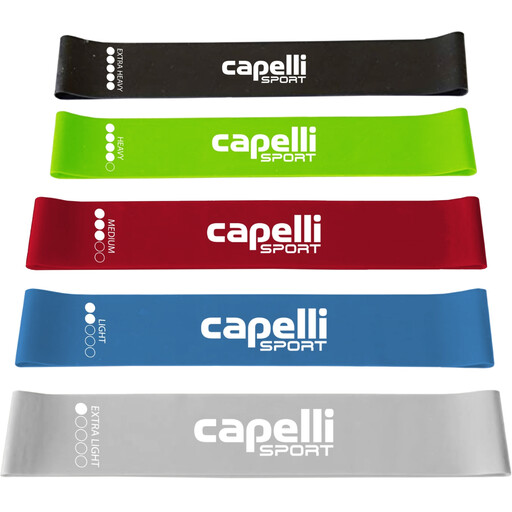
Why This Fits Their Persona: A compact starting point for UK residents with limited storage who want to exercise at home or take equipment outdoors.
Five colour-coded resistance levels make it easier to select a manageable starting point instead of relying on a single fixed tension.
5 cm wide, 60 cm circumference loops; includes five bands and a travel carry bag.
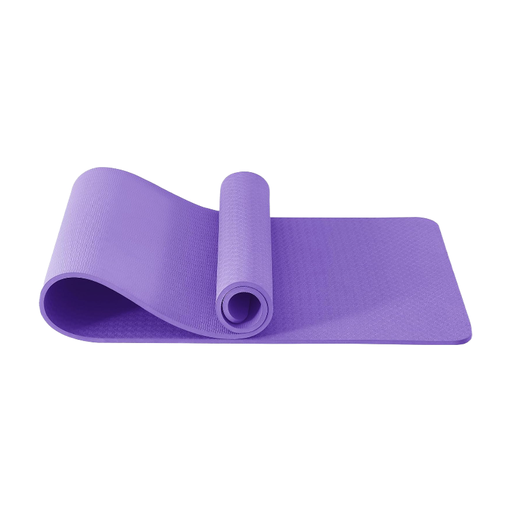
Why This Fits Their Persona: Designed for users who prioritise cushioning and a generous surface for yoga, Pilates and floor-based home fitness.
Its 10 mm thickness makes the cushioning specification clear, rather than leaving comfort expectations to vague wording.
183 x 61 cm TPE mat with double-sided textured grip and carry strap.
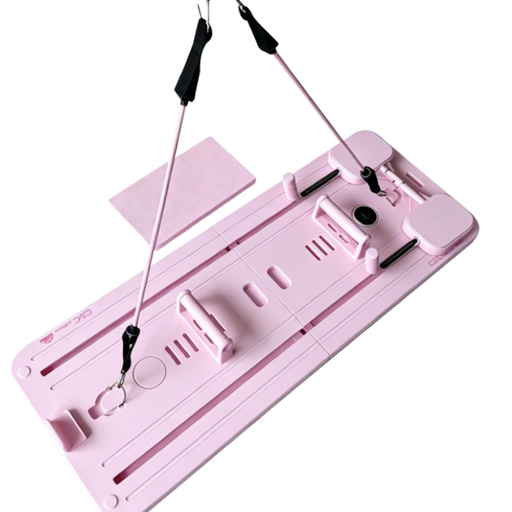
Why This Fits Their Persona: A choice for users seeking a more structured Pilates and full-body routine rather than a small, single-purpose accessory.
The listed foldable format and adjustable resistance system address storage and progression concerns, subject to having enough clear floor space.
42 x 16 x 1.5 inch dimensions; includes a phone holder and smart timer according to the product description.
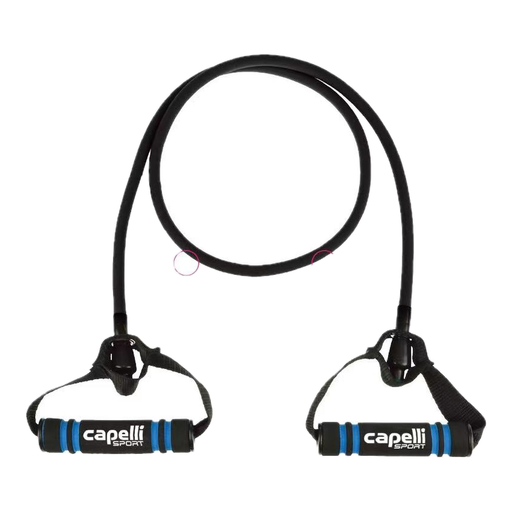
Why This Fits Their Persona: A practical format for users who need a portable band for controlled home exercises, general strength work or a rehabilitation programme recommended by a qualified professional.
The TPE material, 120 cm tube length and available resistance levels are specified, helping buyers compare suitability more clearly.
Foam-grip handles with secure straps; no assembly required and the band wipes clean.
We have compiled a complete, real-time list of products that fully satisfy these strict selection criteria and UK safety regulations.
Before your first session:
A yoga or Pilates mat plus a set of mini loop resistance bands offers a relatively compact starting point for stretching, mobility, floor exercises and lower-body training. Users wanting upper-body resistance can add a single band with handles. Choose resistance that allows steady movement and sound technique.
Lifespan depends on frequency of use, stretching intensity, storage and material. There is no universal replacement interval. Inspect bands before every session and replace them immediately if they show cracks, fraying, tears, loss of elasticity or damaged handles. Keeping them cool, dry and away from sunlight can support proper maintenance.
A thicker Pilates mat can provide more cushioning for kneeling, lying and rolling movements. However, very soft mats may feel less stable during balance exercises. Compare thickness with your floor type, preferred exercises and need for portability before buying.