
24/7 Customer Support

Free returns

Same-day & Next-day Delivery

Quality Guaranteed

Unlock Your Welcome Offers: FREE Delivery | Up to 80% OFF | Free 30-day JoyPlus trial
Download the APP
A home workout can be convenient, but buying the wrong equipment often creates more problems than it solves. A mat that slides across laminate flooring, an exercise ball that does not suit your height or a rebounder that cannot be stored easily may end up unused after a few weeks.
The main challenge is separating useful specifications from vague marketing language. Before choosing home fitness equipment, look closely at dimensions, maximum user weight, construction, grip, storage and intended use. These details have a greater effect on everyday usability than appearance or a long list of exercise claims.
An anti-slip texture can improve grip, but it cannot compensate for a dusty, wet or uneven floor. Yoga mats, stability balls and mini fitness trampolines should always be placed on a clean, level surface. Check whether the product has grip on one side or both and consider how it will interact with your flooring.
An exercise ball or yoga ball needs to match your height and the activity. A ball that is too large can make seated posture awkward, while one that is too small may not provide the intended support for stretching or balance work. For an office chair application, desk height is also relevant.
The same principle applies to a rebounder trampoline. A 40-inch model takes less floor space than a 48-inch model, but offers a smaller jumping area. Measure your available room, including clearance from walls, furniture and overhead fittings.
Terms such as “anti-burst”, padded springs and adjustable handles describe design features, not permission to ignore safety guidance. Exercise balls still need regular inspection and correct inflation. Trampolines should be used by one person at a time, on stable flooring, with the stated load limit observed.
For pregnancy exercise, rehabilitation or physical therapy exercise equipment, obtain suitable advice from a qualified healthcare professional before starting or changing a routine. Product features should not be treated as medical recommendations.
For a yoga mat, TPE can offer a lightweight, flexible construction with a textured surface. A 10mm mat provides more cushioning than a thin travel mat, which may be useful for floor-based Pilates, stretching and kneeling exercises. However, extra thickness can slightly reduce direct floor feedback during balance movements.
Exercise balls commonly use PVC. Look for an anti-slip texture, stated inflation instructions and a clearly displayed maximum load. “Anti-burst” construction may be designed to deflate gradually if punctured, but it does not make the ball puncture-proof. Keep it away from sharp objects, excessive heat and direct sunlight.
Check measurements in centimetres and kilograms rather than relying only on product titles. The supplied exercise balls are available in 55cm, 65cm and 75cm sizes, with a stated capacity of up to 150kg. Select the diameter according to the seller’s sizing guidance and your intended exercise or desk use.
Trampoline load limits vary considerably. The supplied indoor rebounders range from 70kg to 120kg, while the BCAN options list higher capacities that vary by size. Do not use a product above its published limit and allow room around the frame for safe movement.
Space-saving home gym equipment is only practical if it can be put away without excessive effort. Folding rebounders may suit flats or rooms with multiple uses, while a rollable yoga mat and compact Pilates ring can be stored in a cupboard.
Where stated, check standards information such as EN ISO 20957-1, which relates to stationary training equipment safety requirements. This should be considered alongside the manufacturer’s instructions, inspection guidance and product-specific warnings. Compliance information does not replace correct set-up or sensible use.
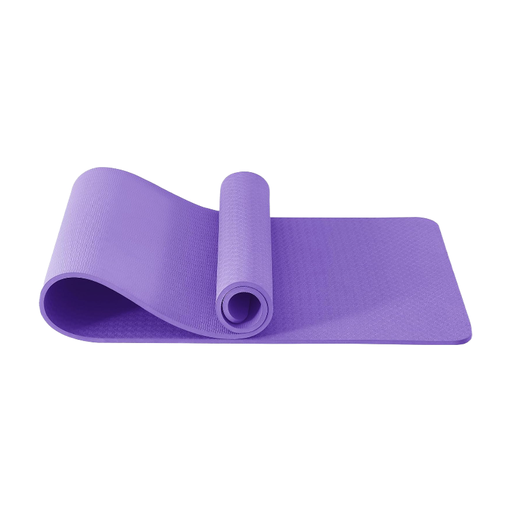
Why This Fits Their Persona: A straightforward starting point for adults building a small indoor exercise equipment collection for yoga, Pilates, stretching or floor workouts in a UK home.
Its dimensions, material and thickness are clearly specified rather than relying only on general comfort language. The double-sided textured surface also gives buyers useful grip information.
10mm high-density TPE construction; 183cm x 61cm size; carry strap included for storage and transport.
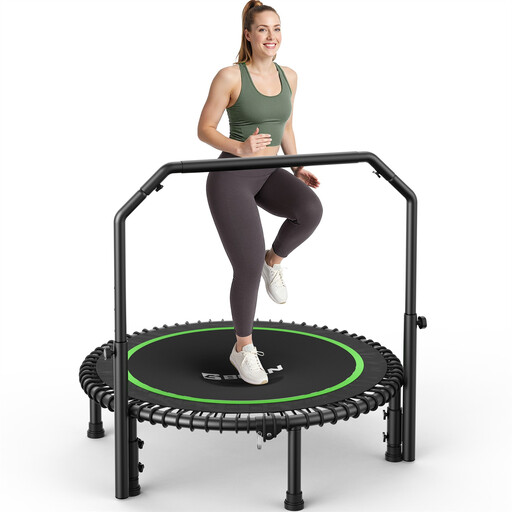
Why This Fits Their Persona: Suitable for shoppers prioritising a larger rebounder format, adjustable support and a quieter suspension design for home cardio sessions.
The product specifies its steel frame, bungee suspension, available diameters and load capacities, helping avoid unclear size and construction claims.
102cm and 122cm options; adjustable handlebar; bungee cords are described as quieter than spring-based suspension.
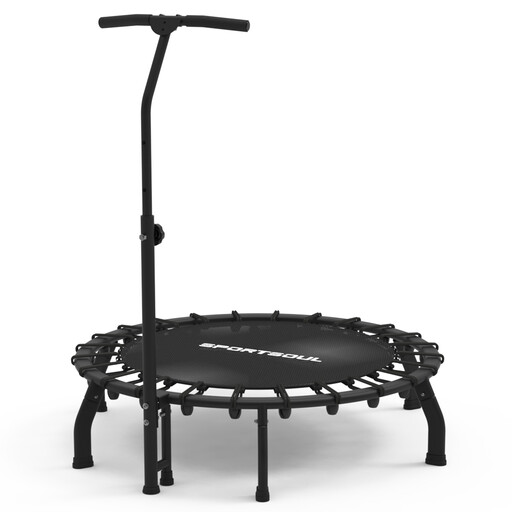
Why This Fits Their Persona: A practical option for users seeking compact, low-impact cardio equipment with added upper-body resistance work.
Its stated 120kg maximum user weight, 42-inch dimensions and assembly details give a clearer basis for comparing suitability and available space.
120kg maximum user weight; elastic resistance bands; pre-assembled jumping mat and stated EN ISO 20957-1 compliance.
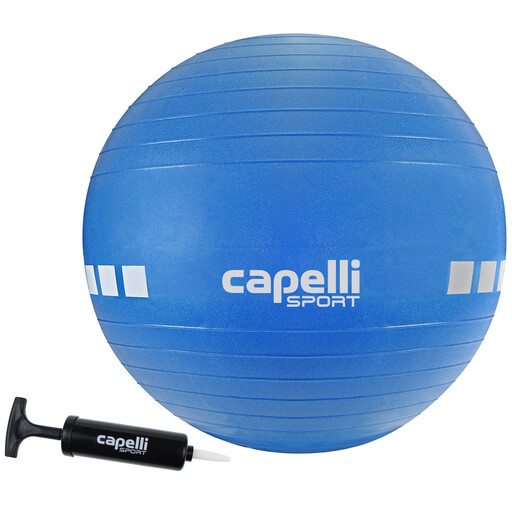
Why This Fits Their Persona: The 55cm format is suited to shoppers comparing a compact exercise ball for core, balance, stretching or occasional desk use.
The product lists a specific diameter, PVC construction, pump inclusion and 150kg maximum capacity, rather than leaving fit and set-up unclear.
Anti-slip and anti-burst PVC design; foot pump included; usable for core, balance and office-chair applications.
We have compiled a complete, real-time list of products that fully satisfy these strict selection criteria and UK safety regulations.
A yoga mat, Pilates ring and smaller exercise ball require relatively little storage space. A folding rebounder can also work where there is adequate clearance, but measure the unfolded footprint first. Equipment should not be selected solely because it folds; the space needed during use matters more.
Lifespan depends on frequency of use, storage, flooring and exposure to heat or sharp objects. Inspect equipment regularly rather than relying on a fixed replacement date. Replace a ball showing damage, persistent deformation or surface deterioration and replace a mat when its grip or cushioning has noticeably degraded.
Most manual home gym equipment has no electricity requirement. Running costs usually relate to storage, cleaning and replacement parts rather than energy use. Rebounders may create noise or floor vibration, so a suitable surface and considerate usage times can be important in flats or terraced homes.